Discover how Life Path numerology translates birth dates into practical relationship insights. Learn to calculate Life Path numbers, read compatibility patterns, and apply simple steps to improve communication, emotional connection, and long-term alignment.

June 19, 2025 (1y ago) — last updated September 12, 2026 (1mo ago)
Life Path Compatibility: Birthdate Numerology Guide
Use Life Path numerology to assess birth-date compatibility and get practical steps to improve communication, connection, and long-term alignment.
← Back to blog
Discover how Life Path numerology translates birth dates into practical relationship insights. Learn to calculate Life Path numbers, read compatibility patterns, and apply simple steps to improve communication, emotional connection, and long-term alignment.
Life Path Compatibility: Birthdate Numerology Guide
Discover how Life Path numerology turns birth dates into clear, practical relationship guidance. This guide shows how to calculate Life Path numbers, read compatibility patterns, and use simple steps to improve communication, emotional connection, and long-term alignment.
What birth date compatibility reveals about relationships
Birth date compatibility acts like a blueprint for the energies and patterns that shape a relationship. It doesn’t predict fate, but it maps tendencies—communication style, problem-solving instincts, and chemistry—by reducing birth dates to core numerological numbers. The idea that birth dates carry meaning has ancient roots1.
Numbers that help, not judge
Although calculations are involved, results are human and practical. A compatibility reading can explain why partners are creatively in sync but clash over daily details. A “challenging” score isn’t a verdict; it highlights where focused communication and mutual habits will produce the biggest gains.
Spiritual meaning and practical work
Beyond personality, birth date compatibility can point to shared life lessons or complementary paths that motivate growth. Practical tools—communication agreements, clear boundaries, and joint planning—keep the relationship grounded. Simple practices like weekly check-ins or short mindfulness exercises help couples notice emotional shifts the chart highlights.
How compatibility calculators convert dates into insight
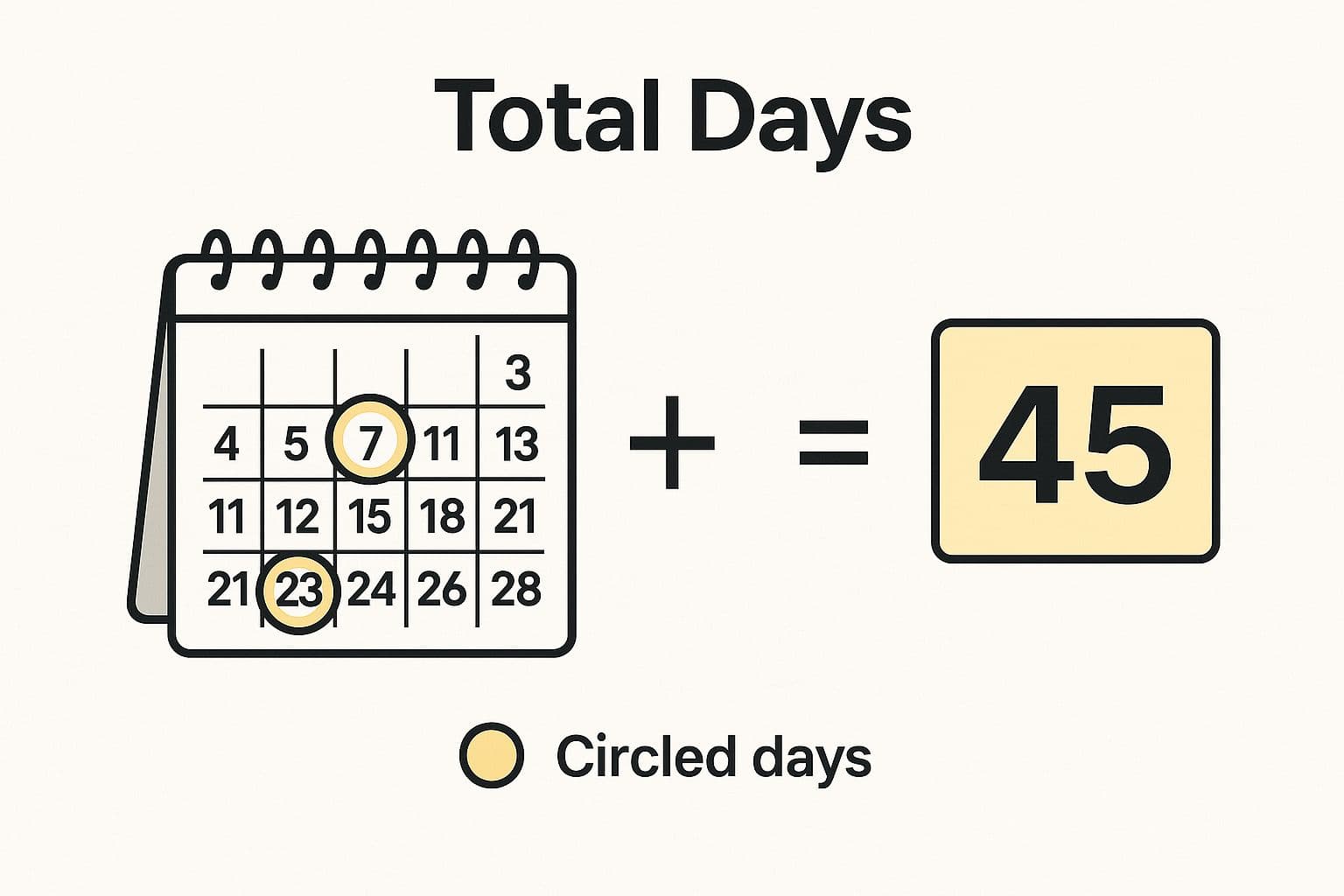
Calculators break a birth date into numbers and compare them. The most common number is the Life Path: add the digits of month, day, and year, then reduce to a single digit or a master number (11, 22, 33). A compatibility tool reduces both partners’ dates and compares the final numbers to show harmony and friction.
Example (March 15, 1990 — 3/15/1990):
- Month: 3
- Day: 1 + 5 = 6
- Year: 1 + 9 + 9 + 0 = 19 → 1 + 9 = 10 → 1 + 0 = 1
- Add reduced numbers: 3 + 6 + 1 = 10 → 1 + 0 = 1 → Life Path 1
Try a Life Path calculator to see the steps in action3.
Why the numbers matter
Numbers 1–9 (plus masters 11, 22, 33) represent archetypal tendencies. Life Path 1 often signals leadership and independence; Life Path 2 leans toward cooperation and sensitivity. Comparing Life Path numbers shows how core patterns blend—sometimes like complementary colors, other times like clashing tones.
A fuller numerology picture
A richer reading looks beyond Life Path: the birth day influences daily interaction styles, the birth year points to long-term goals, and other derived numbers reveal emotional or communication tendencies. Different traditions emphasize different elements, which is why calculators vary. Western numerology commonly uses the full birth date, while some systems emphasize the birth year’s last digit.
| Method | Calculation type | Score range | Cultural origin |
|---|---|---|---|
| Life Path (Western) | Full birth date reduced to core numbers | 1–9, 11, 22, 33 | Pythagorean tradition |
| Birth Day Number | Day of month reduced | 1–9 | Modern numerology |
| Karmic Number (Chinese) | Last digit of birth year | 0–9 | Chinese numerology |
| Chaldean Numerology | Letter values in names | 1–8 | Ancient Mesopotamian tradition |
Decoding your score: how to read results
A compatibility score summarizes dynamics, not destiny. Think of it as a weather forecast that helps you plan. High scores point to natural alignment in key areas; lower scores show where you’ll need to be intentional. For example, an 8.5/10 may reflect harmony in communication and values; a 4.5/10 may indicate differing emotional rhythms or daily habits that require conscious work.
Reading the nuances
Mixed scores are common and often most useful. You might have strong intellectual chemistry but mismatched money habits. A layered report breaks down mental, emotional, physical, and life-purpose alignment so you can address specific dynamics rather than treating compatibility as a single metric.
What the scores mean for action
A high score doesn’t remove the need for effort; it gives a head start. A lower score highlights concrete strategies. Research shows that communication and problem-solving skills strongly influence relationship outcomes—targeted behaviors and rituals can improve satisfaction and stability over time2.
Four core areas that determine relationship success
A meaningful compatibility analysis explores how two people connect across four dimensions: physical chemistry, emotional connection, communication style, and shared life goals.
1. Physical and energetic chemistry
This covers attraction, daily rhythm, and overall vibe. High alignment here means effortless physical and everyday synchronicity. Use a report to notice daily rhythms and plan routines that respect both partners’ energy.
2. Emotional connection and support
This dimension evaluates how each person handles feelings and provides support. Strong emotional alignment makes empathic support easier; lower alignment calls for explicit check-ins and shared practices to bridge gaps.
3. Mental and communication styles
Compatible thinking and expression make conversation flow. When styles differ, agreed communication habits—regular check-ins, structured listening, and clear conflict rules—prevent talking past one another.
4. Shared life goals and values
Long-term stability depends on matching core values—family, career orientation, and personal growth. Aligning on what matters creates a durable anchor for a partnership.
Real couples, real results
Numerology’s value appears in practical changes couples make after a reading. Reports aren’t about perfection but about uncovering differences and building workable solutions.
Sarah and Mike: bridging communication and finance
Sarah and Mike had rapport but constant money fights. Their report showed emotional alignment but a financial mismatch: one favored security, the other risk. They created a hybrid plan—separate and joint accounts plus a monthly budget meeting—that respected both energies.
Elena and David: managing social energy
Elena loved social life; David needed quiet. Charts showed opposing core energies. They solved friction with a weekly shared event, a weekly recharge night, and flexibility for solo social time. Understanding the energetic difference removed blame and created practical boundaries.
Use compatibility insights without becoming dependent
Treat birth date compatibility as a GPS, not a rulebook. Use it to start conversations, not to assign blame. Overreliance can cause anxiety or avoidance; instead, frame results as opportunities for growth.
Signs you’re relying too much on numerology include dismissing a connection because of a score, blaming a partner’s behavior on their chart, or feeling anxious about every result. Real-world factors—trauma, life stressors, and major transitions—also shape relationships and may require counseling beyond numerology5. If conflicts involve trauma, abuse, or persistent patterns that don’t improve, seek a licensed therapist or couples counselor5.
Action plan: turn insights into habits
Use one focused plan to turn insights into action.
Getting started
- Get a reading that covers the four core areas.
- Keep a short journal of behaviors the report highlights.
- Focus on one area to improve for a week.
Couple exercises
- Review your report together with curiosity, not judgment.
- Pick one low-scoring area and create a concrete habit (for example, a weekly 20-minute check-in).
- Treat numbers as prompts for empathy, not excuses for blame.
Try the compatibility calculator for a quick overview, or download the Life Purpose App for a detailed compatibility report and step-by-step guidance3.
Frequently asked questions
How accurate are compatibility calculators?
Calculators accurately follow numerological rules to translate dates into core numbers, but interpretation varies by system and practitioner. Use results as a guide, not a prediction3.
Can a low compatibility score be overcome?
Yes. Low scores highlight areas to work on. Couples who focus on communication and practical systems often build strong, lasting relationships despite initial mismatches2.
What’s the first step after getting a report?
Start with self-understanding. Review your chart, journal small examples that match the report, then share insights during a calm, scheduled conversation.
Key Q&A — quick answers to common concerns
Q: How do I calculate a Life Path number quickly?
A: Add the digits of your birth month, day, and year; reduce each to a single digit (or master number), then add those results and reduce to the final number.
Q: Which numbers matter most for relationship insight?
A: Life Path, Birth Day number, and communication-related numbers are most useful for immediate patterns.
Q: When should we seek help beyond numerology?
A: If conflicts involve trauma, abuse, or patterns that don’t improve with structured efforts, seek a licensed therapist or couples counselor5.
Three concise Q&A summaries
Q: What practical steps should we take after a compatibility report?
A: Pick one low-scoring area, schedule a 20-minute weekly check-in, and track progress in a short shared journal.
Q: Will numerology replace therapy?
A: No. Numerology supports self-awareness and guided conversations, but therapy is necessary for trauma, abuse, or entrenched problems5.
Q: How can we use compatibility tools without becoming dependent?
A: Treat results as conversation starters, run time-bound experiments (one habit for two weeks), and evaluate outcomes together.
1.
“Numerology,” Encyclopaedia Britannica, accessed 2025, https://www.britannica.com/topic/numerology.
2.
The Gottman Institute, “Perpetual Problems,” accessed 2025, https://www.gottman.com/blog/perpetual-problems/ (discussing how communication patterns and perpetual vs. solvable problems affect relationship outcomes).
3.
Life Purpose App, “Numerology and Compatibility Tools,” accessed 2025, https://lifepurposeapp.com; AstroEra, “Birth Date Compatibility,” accessed 2025, https://astroera.in/birth-date-compatibility.
4.
The Gottman Institute, “Research Overview,” accessed 2025, https://www.gottman.com/about/research/ (summarizing observational studies used to predict relationship outcomes with high accuracy in controlled research settings).
5.
American Psychological Association, “Couples therapy,” accessed 2025, https://www.apa.org/topics/marriage-divorce/couples-therapy (overview of therapeutic approaches and evidence for effectiveness in improving relationship functioning).
Discover your life path today
Enter your date of birth and see your life path, free.
Find your life path