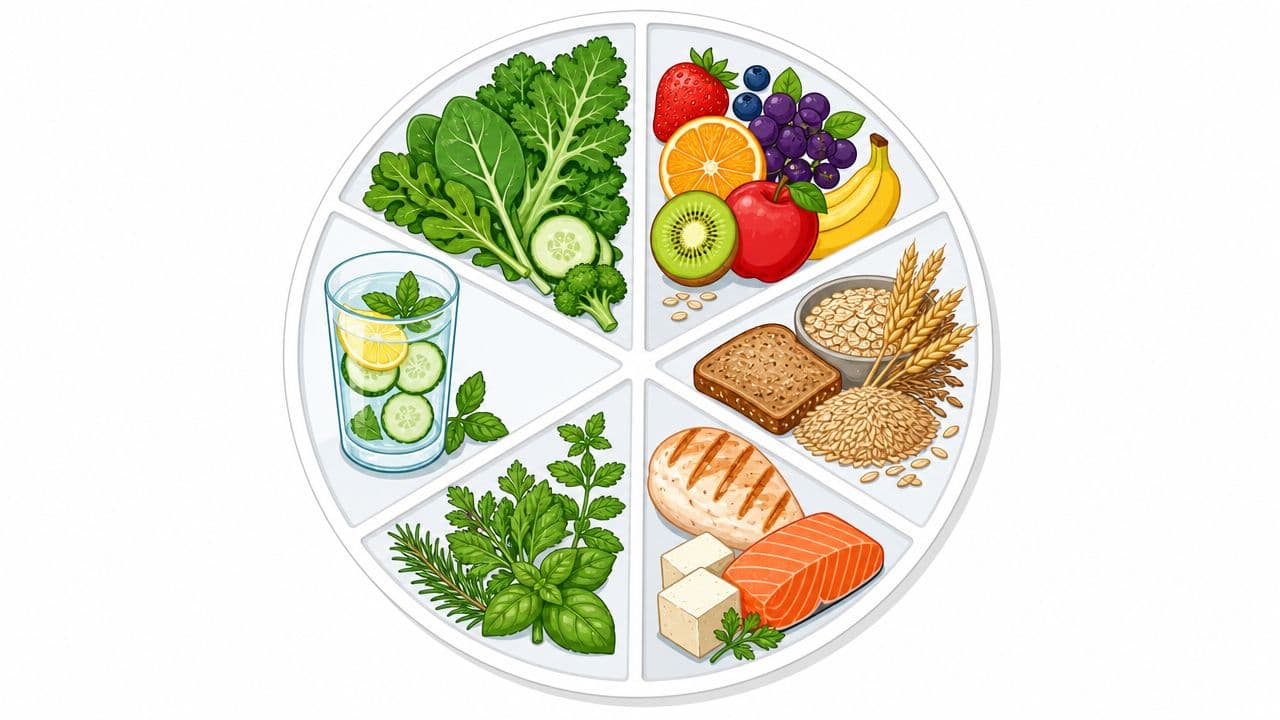
Ready for a reset? Explore our ultimate cleanse foods list for 2026. Discover best fruits, veggies, and herbs to detox your body & boost well-being.
June 6, 2026 (1d ago)
Cleanse Foods List 2026: Your Ultimate Detox Guide
Ready for a reset? Explore our ultimate cleanse foods list for 2026. Discover best fruits, veggies, and herbs to detox your body & boost well-being.
← Back to blog
Feeling sluggish, puffy, or mentally scattered, even when you're trying to “eat healthy”? That's usually where conventional cleanse advice falls short. It talks about detox as if your body needs a dramatic rescue, when what is needed is steadier support for digestion, hydration, regular elimination, and simpler meals built from whole foods.
That distinction matters. Public health guidance doesn't define detox diets as a medical necessity, and Harvard's Nutrition Source notes that “clean eating” is an unregulated term that people interpret in very different ways. At the same time, clean eating remains a powerful consumer idea, with 64% of surveyed people saying they try to choose foods made with clean ingredients. In practice, that usually means food closer to its natural state, with fewer additives and less added sugar and salt.
So a useful cleanse foods list isn't a magical detox formula. It's a grounded list of foods that help your body do what it already knows how to do well. Think liver support, fiber, hydration, balanced nourishment, and fewer highly processed inputs. If you want a broader framework for ways to cleanse your body, start there, then use this food list to make the process practical.
There's also a deeper layer here. When the body feels less burdened, people often notice more mental space, steadier emotions, and a stronger connection to what matters. And anytime we talk about life purpose or your life path, I'm referencing Dan Millman's book, The Life You Were Born to Live, along with the Life Purpose App that grows from that same system of self-knowledge. Food won't reveal your path for you, but it can make you feel clear enough to listen.
1. Leafy Greens (Spinach, Kale, Swiss Chard)
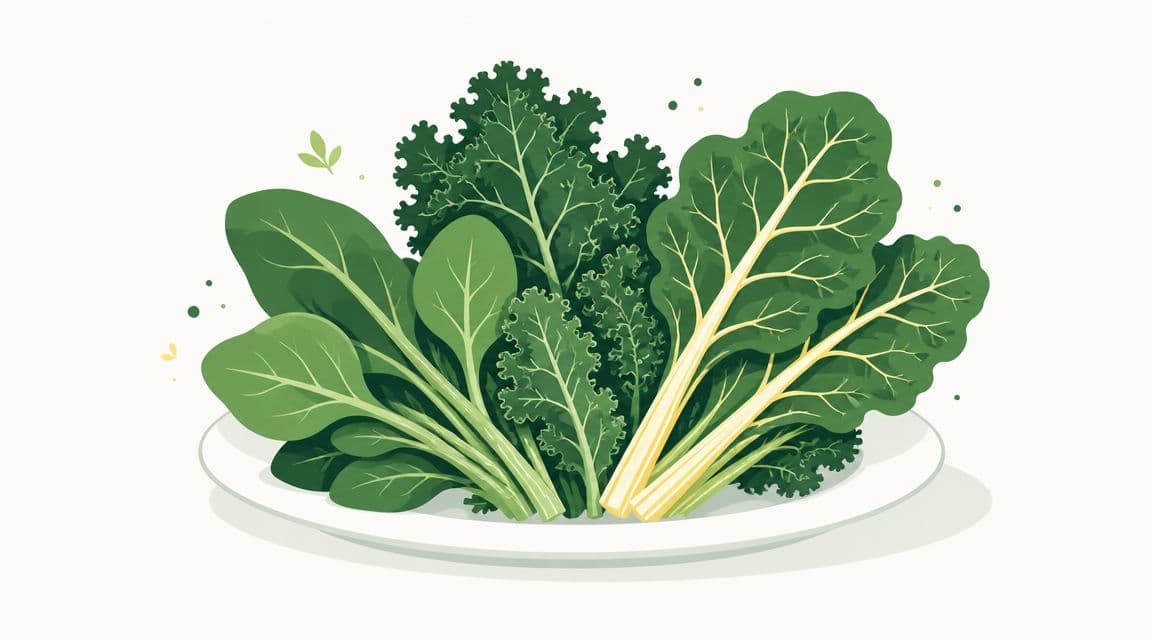
What food gives you the most cleansing value for the least complexity? Leafy greens are high on that list.
Spinach, kale, and Swiss chard help shift a meal toward fiber, magnesium, potassium, folate, and plant compounds that support the body's normal elimination pathways. In practice, they also do something people feel quickly. Meals built around greens often leave the body lighter, the mind less foggy, and the nervous system a little less overstimulated than meals centered on refined carbs and packaged snacks.
That shift has a deeper use, too. Physical clearing does not create purpose on its own, but it can reduce enough internal noise to make self-reflection easier. For people exploring the life-path work of Dan Millman or using the Life Purpose App, that steadier state can support more honest listening.
Why they earn their place
Leafy greens belong on a cleanse foods list because they help restore what many modern diets miss. More bulk. More micronutrients. More support for digestion and regularity.
They also pull their weight without asking for a full reset plan. I often tell clients to stop chasing dramatic detox protocols and start by getting one or two large handfuls of greens into a daily meal. That single change is realistic, affordable, and easier to sustain than a restrictive cleanse.
Practical rule: Pair greens with fat. Olive oil, avocado, tahini, nuts, or seeds improve satisfaction and help your body use fat-soluble nutrients more effectively.
Best ways to use them
Raw kale works well for hearty salads, but it needs a little care. Massage it with olive oil and lemon so it softens and tastes better. Spinach is easier for smoothies, omelets, and quick sautés. Swiss chard is excellent at dinner because it cooks down fast and has a slightly earthy, mineral-rich taste.
- For breakfast: Blend spinach into a smoothie with berries and plain yogurt.
- For lunch: Build a bowl with chopped kale, roasted vegetables, beans or eggs, and pumpkin seeds.
- For dinner: Sauté Swiss chard with garlic and olive oil, then serve it with salmon, lentils, or eggs.
Consistency is usually the sticking point. People buy greens with good intentions, then let them wilt in the fridge. A better strategy is to connect the habit to attention and rhythm. Practicing mindfulness in a simple daily routine can make food choices feel less reactive and more aligned. If you want extra support with making greens a consistent habit, wash and prep them early, keep them visible, and build one repeatable meal you can return to without much thought.
2. Lemon Water
Lemon water is the easiest entry point on any cleanse foods list because it asks almost nothing of you. You don't need a supplement stack, a meal plan, or a dramatic protocol. You need water and a fresh lemon.
That's why it works so well as a reset ritual. Many people wake up mildly dehydrated, then move straight to coffee and a rushed morning. Starting with warm or room-temperature lemon water can create a gentler transition into the day and cue better eating choices afterward.
What it does well, and what it doesn't
Lemon water supports hydration. This is the main benefit. Hydration helps digestion, bowel regularity, and appetite awareness, all of which matter more than trendy detox language.
It's also psychologically useful. A simple morning ritual often has an anchoring effect. When the first choice of the day is supportive, the next choices tend to come more easily.
What it doesn't do is “flush” your body in some miraculous overnight way. If someone is eating heavily processed foods all day, lemon water won't cancel that out.
Start with one mug on waking, then wait a bit before breakfast. The pause itself often improves how intentional the rest of the morning feels.
How to use it without turning it into a gimmick
A reliable method is half a fresh lemon squeezed into a glass or mug of water. Some people prefer it warm first thing in the morning. Others do better with room-temperature water because it's easier to keep up long term.
A few useful trade-offs:
- Fresh beats bottled: Fresh lemon usually tastes better and encourages the habit.
- Use a straw if needed: That can help if you're concerned about tooth enamel.
- Don't force huge amounts: One glass done daily is better than a rigid plan you abandon in three days.
If you're pairing physical cleansing with inner reflection, this is a good moment to set a simple intention. Not a performance. Just a quiet check-in before the day starts.
3. Cruciferous Vegetables (Broccoli, Cauliflower, Brussels Sprouts, Cabbage)
Cruciferous vegetables are where a cleanse foods list starts to become more substantial. These are foods with real nutritional weight. They bring fiber, texture, satiety, and compounds that nutrition professionals value.
Mass General specifically notes that cruciferous vegetables such as cabbage, cauliflower, broccoli, Brussels sprouts, turnips, and kohlrabi contain glucosinolates that help the liver eliminate toxins. That's one reason these vegetables show up so often in better quality detox guidance, even when the marketing around them gets exaggerated.
Why they work in real life
Broccoli roasted until crisp at the edges is more realistic than a green juice fast. So is shredded cabbage slaw with olive oil and lemon, or cauliflower cooked into a soup. These foods are filling, affordable, and easy to repeat.
That repeatability is what matters. If a food supports your system but you never eat it because you only tolerate it in an aspirational recipe, it won't help much.
Ways to include them without digestive backlash
Some people love raw cruciferous vegetables. Others get bloated fast. Light cooking often solves that.
- Steam broccoli: A quick steam keeps it easier on digestion.
- Roast Brussels sprouts: Add olive oil and salt, then roast until browned.
- Use cabbage strategically: Raw in small amounts, cooked in larger portions if your gut is sensitive.
Fermented cabbage, such as sauerkraut, can also be a smart addition in small amounts. It adds acidity and complexity to a simple meal.
The spiritual side of cleansing often gets framed as transcendence, but I've found it's usually more grounded than that. It can look like making dinner from whole ingredients, eating slowly, and noticing that your mind feels less noisy afterward.
4. Cilantro and Parsley
Cilantro and parsley are easy to overlook because they're often treated like garnish. That's a mistake. Fresh herbs can shift the whole feel of a meal from flat and heavy to bright and alive, which matters more than people think during a cleanse.
They're especially helpful when someone is trying to eat more straightforwardly without getting bored. A bowl of lentils and vegetables tastes very different once you finish it with a handful of chopped parsley and cilantro, lemon, and olive oil.
Small food, big payoff
Herbs don't carry a cleanse plan on their own, but they make the rest of the plan easier to sustain. They add freshness without added sugar, heavy sauces, or a lot of salt. That's a quiet but real benefit.
Parsley works well in chopped salads, grain bowls, brothy soups, and omelets. Cilantro fits beautifully in blended soups, bean dishes, smoothies, and simple vegetable sautés.
Fresh herbs are one of the fastest ways to make “clean eating” taste like real food instead of restriction.
Best ways to use them
A few practical options work especially well:
- Blend cilantro into smoothies: Use a small handful with berries or pineapple if you enjoy green smoothies.
- Make a parsley-forward salad: Think tabbouleh style, but keep it simple.
- Finish cooked dishes late: Add herbs after cooking so their flavor stays bright.
There's also a mental benefit here. Meals with color, aroma, and freshness tend to feel more nourishing, and that changes how people relate to cleansing. It stops feeling like punishment and starts feeling like care.
If you're doing any kind of reset, herbs help maintain momentum because they improve the food you're already eating instead of demanding a totally separate protocol.
5. Bone Broth
Bone broth belongs on this cleanse foods list because not every reset should be raw, cold, or ultra-light. Some people need warmth and restoration more than they need another salad.
That's especially true if your digestion feels fragile, your appetite is off, or you're coming off a stretch of stress, travel, or irregular eating. A warm mug of broth can be grounding in a way that trendy detox meals often aren't.
When broth makes sense
Bone broth can serve as a gentle base. It pairs well with cooked vegetables, shredded chicken, white beans, or herbs, and it can be easier to tolerate than a large fibrous meal when your system feels irritated.
The trade-off is that broth alone isn't enough for a complete cleanse approach. It supports. It doesn't replace balanced eating.
A simple real-world use is keeping frozen portions on hand for days when cooking feels hard. Heat broth, add chopped greens and leftover vegetables, and you have something supportive in minutes.
How to make it useful, not precious
- Buy a quality option or make your own: Either can work if the ingredient list is simple.
- Use it as a meal base: Add vegetables and protein instead of sipping broth all day.
- Lean on it during recovery days: It's often most helpful when energy is low.
There's a broader lesson here. Cleansing isn't always about stripping things away. Sometimes it's about rebuilding. That same principle shows up in inner work too. The insights in universal laws of life, and in Dan Millman's The Life You Were Born to Live and the Life Purpose App, land differently when the body feels nourished enough to receive them.
6. Apple Cider Vinegar
Apple cider vinegar is one of those tools that can be helpful when used judiciously and annoying when treated like a miracle cure. It works best as a support ingredient, not as a badge of discipline.
In practice, that means diluted in water or whisked into a dressing. It can sharpen flavor, encourage a more whole-food meal pattern, and help people enjoy vegetables more often.
Where it fits best
The cleanest use is usually a dressing. Combine raw apple cider vinegar with olive oil, lemon, herbs, and a pinch of salt, then toss it with leafy greens, cabbage, or cucumbers. That kind of meal fits the broader clean-eating framework public-health guidance describes. Less processed, more recognizable ingredients, and easier to repeat.
It's also worth noting that “clean” has become a major commercial force. The clean label foods market was valued at USD 49.96 billion in 2024 and is projected to reach USD 86.68 billion by 2033, with a 6.3% CAGR from 2025 to 2033. That tells you how strongly people are drawn to simple ingredient lists, even if marketing often outruns science.
Practical use, minus the hype
A tablespoon or two diluted into water may work for some people before meals. Others find it too harsh and do better using it only in food. Both are fine.
- Always dilute it: Straight vinegar is rough on teeth and throat.
- Use the raw kind if you like it: Many people prefer unfiltered versions.
- Skip the bravado: More isn't better if it upsets your stomach.
Apple cider vinegar earns its place because it supports better eating habits. That's enough. It doesn't need a mythology around it.
7. Berries (Blueberries, Blackberries, Raspberries, Cranberries)

What if one of the most cleansing foods is also one of the easiest to enjoy?
Berries earn their place on a cleanse foods list because they support the body without making the process feel punishing. Blueberries, blackberries, raspberries, and cranberries bring fiber, polyphenols, and brightness to meals. In practice, that often means fewer cravings for the ultra-processed sweets that leave both energy and mood scattered.
I like berries here for another reason. They help people stay consistent. A cleanse that feels too restrictive often turns into a short burst of control followed by rebound eating. A bowl of berries with plain yogurt, chia, or a handful of walnuts feels light, but it still satisfies.
Why berries fit a deeper reset
Physical cleansing is not only about digestion or food quality. It also affects attention, emotional steadiness, and the inner space needed for reflection. Many people notice that when meals become simpler and less inflammatory, their thinking gets quieter too.
That matters if you are using a reset as part of a larger personal inventory. Dan Millman's work points people toward the lessons built into their life path, and practices like cleaner eating can support that process by reducing noise. If you are in a season of self-inquiry, this guide on how to find your true self pairs well with a food reset that clears space mentally as well as physically.
Smart ways to use them
Berries work best as part of a meal or snack with some protein or fat.
- Breakfast: Add raspberries or blueberries to oats, chia pudding, or unsweetened yogurt.
- Lunch: Toss blackberries into a salad with greens, pumpkin seeds, and a simple vinaigrette.
- Snacks: Use frozen berries in a smoothie with kefir or plain Greek yogurt.
- Cranberries: Choose unsweetened forms when possible, since many dried cranberry products are heavily sweetened.
One trade-off matters here. Fruit is wholesome, but berry products are not all equal. Sweetened dried cranberries, juices, and berry-flavored snacks can turn a cleansing food into a blood sugar spike. Whole or frozen berries are usually the better choice.
Food safety matters too. Wash fresh berries well, refrigerate them promptly, and eat them before they spoil. A grounded cleanse is not about dramatic detox claims. It is about choosing clean, nutrient-dense foods that support the body, settle the mind, and make healthier patterns easier to keep.
8. Activated Charcoal
Activated charcoal is the most controversial item on this list, and that's exactly why it needs plain talk. It isn't a casual everyday wellness food, and I wouldn't put it in the same category as greens, berries, or broccoli.
It has specific uses, but people often overextend them. If you take medications or supplements on a schedule, charcoal can interfere because it binds substances in the digestive tract. That alone makes it a poor fit for many self-directed cleanses.
What to know before using it
This is one of the clearest examples of what works versus what doesn't. Short-term, targeted use may make sense for some people under professional guidance. Routine, unsupervised use because a social media post called it “detoxifying” usually doesn't.
It can also be constipating if hydration and overall digestion aren't in good shape. So if someone is already under-eating, dehydrated, or dealing with sluggish bowel movements, charcoal may make the whole situation worse.
If your basics aren't solid, charcoal is the wrong place to start. Fix meals, fluids, sleep, and bowel regularity first.
A safer perspective
If you're drawn to cleansing because you want to feel clearer, don't overlook the emotional side of that impulse. Often, people want relief and control. That's understandable. But the more sustainable route is usually simpler and slower.
Use discernment. Support your body with food first. If you're in a period of self-inquiry, how to find your true self has a lot more to do with honesty and steady practices than with aggressive detox tools.
9. Garlic and Onions (Allium Family)
Garlic and onions do quiet, important work. They make simple food taste satisfying, and that alone can keep a cleanse foods list from collapsing into blandness.
Mass General specifically includes sulfur-containing foods such as garlic and onions among the foods that support the body's natural cleansing processes. That's one reason I like them so much in practical reset plans. They're ordinary, affordable, and easy to use often.
Why they matter more than fancy superfoods
A pot of soup built on onion and garlic is usually more realistic than a cabinet full of powders. The same goes for sautéed greens with garlic, roasted vegetables with red onion, or a broth with onion, herbs, and cabbage.
These foods also help people transition away from ultra-processed meals because they create flavor from actual ingredients instead of additives. That's a major advantage in any cleanse.
Smart ways to use them
- Cook them into your base: Start soups, stews, and sautés with onion and garlic.
- Use raw in small amounts: Add finely chopped onion or garlic to dressings if tolerated.
- Pair with greens and crucifers: They work especially well together in simple savory meals.
For anyone growing more of their own food, there are even practical tips for home gardeners to grow garlic. That kind of connection matters. Growing, chopping, and cooking your food can become part of the cleansing process too. It slows the pace and brings your attention back into the body.
10. Chlorella and Spirulina
Chlorella and spirulina sit in a different category from most of the foods above. They're concentrated add-ons, not foundational foods. That means they can be useful, but they shouldn't become the center of your cleanse foods list.
I see people make that mistake all the time. They build a reset around powders and capsules while skipping regular meals, fiber, hydration, and food quality. That approach usually backfires.
Where they fit realistically
If you enjoy a green smoothie, a small amount of spirulina can fit well. If you use chlorella, starting gently makes sense because concentrated products can be hard on the stomach for some people.
The bigger point is adequacy. Harvard's clean-eating guidance and related mainstream examples include a broad range of whole foods, from produce to whole grains, beans, eggs, nuts, dairy, and unsweetened drinks. That's a reminder that cleansing shouldn't become nutritional narrowing.
There's also growing market demand behind these simpler, more recognizable formulations. The clean label ingredients market is estimated at USD 47.27 billion in 2025 and projected to reach USD 85.45 billion by 2034 at a 6.8% CAGR. But commercial growth doesn't mean every concentrated ingredient belongs in every body.
Best approach
- Start small: Especially if your digestion is sensitive.
- Use them with meals or smoothies: Not as a meal replacement.
- Keep perspective: They supplement a good plan. They don't rescue a poor one.
A grounded cleanse supports your body first. Then it creates the quiet needed for deeper reflection, including the kind of life-path inquiry that Dan Millman explores in The Life You Were Born to Live and that the Life Purpose App makes easy to explore in daily life.
Comparison of 10 Cleansing Foods
| Item | Complexity 🔄 | Resources / Speed ⚡ | Expected outcomes 📊 | Effectiveness ⭐ | Ideal use cases & tips 💡 |
|---|---|---|---|---|---|
| Leafy Greens (Spinach, Kale, Swiss Chard) | Low, minimal prep | Low cost, widely available, quick to prepare | Alkalizing, liver support, fiber, vitamins | ⭐⭐⭐⭐ | Eat daily, buy organic when possible, pair with healthy fats for absorption |
| Lemon Water | Very low, simple ritual | Minimal cost, immediate hydration | Hydration, stimulates digestion, mild liver support | ⭐⭐⭐ | Drink warm in morning, dilute, use straw to protect enamel |
| Cruciferous Vegetables (Broccoli, Cauliflower, Brussels Sprouts) | Medium, light cooking recommended | Affordable, requires brief cooking/fermentation time | Activates Phase 2 detox, fiber, anti-inflammatory | ⭐⭐⭐⭐ | Lightly cook or ferment, rotate varieties, start gradually to reduce gas |
| Cilantro & Parsley | Low, add fresh to meals | Very low cost, short shelf life, must be fresh | Heavy-metal chelation (cilantro), antioxidants, kidney support | ⭐⭐⭐ | Use fresh in smoothies/salsas, combine with chlorella for synergy |
| Bone Broth | High, long simmer (12–48 hrs) | Time- and source-dependent, higher-quality cost | Gut healing, collagen, mineral support, reduced inflammation | ⭐⭐⭐⭐ | Use grass-fed bones, add vinegar to extract minerals, batch and freeze |
| Apple Cider Vinegar | Low, dilute and consume | Extremely affordable, immediate use | Improves digestion, stabilizes blood sugar, antimicrobial | ⭐⭐⭐ | Use raw unfiltered vinegar, dilute, avoid excess to protect teeth/stomach |
| Berries (Blueberries, Raspberries, Cranberries) | Low, rinse and eat | Cost varies by season, frozen convenient | High antioxidant support, low glycemic, cognitive benefits | ⭐⭐⭐⭐ | Buy organic when possible, freeze at peak ripeness, pair with fat/protein |
| Activated Charcoal | Medium, timing and caution needed | Moderate cost, occasional use, quick action in gut | Binds gut toxins/heavy metals, limited to non‑systemic removal | ⭐⭐⭐ | Use food‑grade, take 1–2 hrs from meds, short-term use only, hydrate well |
| Garlic & Onions (Allium Family) | Low, easy to include | Very affordable, long shelf life | Sulfur-driven detox, antimicrobial, immune and gut support | ⭐⭐⭐⭐ | Crush garlic and wait 10 min to activate allicin, include in broths and meals |
| Chlorella & Spirulina | Medium, careful sourcing & dosing | Higher supplement cost, concentrated small doses | Heavy-metal binding (chlorella), chlorophyll, protein, B vitamins | ⭐⭐⭐⭐ | Source tested brands, start with small doses, choose cracked‑wall chlorella, combine with binders/probiotics |
Putting It All Together: Your Cleanse Action Plan
The best cleanse foods list isn't the most extreme one. It's the one you can live with. That usually means fewer processed foods, more hydration, more fiber, and more meals built from recognizable ingredients. It also means resisting the urge to confuse intensity with effectiveness.
A practical reset can start. Begin the day with lemon water. Have one meal built around leafy greens and cruciferous vegetables. Add berries to breakfast or a smoothie. Use garlic, onions, parsley, and cilantro to make whole foods taste good enough to repeat. Keep bone broth on hand if you need warmth and digestive ease. Use apple cider vinegar as a dressing ingredient, not as a personality trait.
What doesn't work well is a vague, trend-driven cleanse with too little food and too many promises. One of the biggest gaps in cleanse content is safety and adequacy. Harvard notes that clean eating is an unregulated term, and many popular “cleanse” lists vary widely in what they include or exclude. Some allow broad plant foods and dairy substitutes, while others include grains, legumes, yogurt, seafood, and even whole-wheat pasta. That's why a smart approach separates a short-term reset from everyday nutrition. Your body still needs enough protein, fiber, and micronutrients.
Here's a simple shopping list that covers a lot of ground: lemons, spinach, kale, broccoli, cabbage, berries, parsley, cilantro, garlic, onions, raw apple cider vinegar, eggs or beans, plain yogurt, oats, and a quality broth. If you use chlorella or spirulina, treat them as optional additions. If you're considering activated charcoal, be cautious and make sure it doesn't conflict with medications or a sensitive digestive system.
The body, mind, and spirit aren't separate projects. When digestion improves, energy often steadies. When energy steadies, people tend to think more clearly and react less impulsively. That can open space for more honest self-reflection. Food alone won't deliver transformation, but it can remove some of the noise that makes it harder to hear yourself.
That's where deeper inner work can become meaningful. If you're curious about your life path, your gifts, and the lessons that shape your growth, use a framework with substance. Dan Millman's The Life You Were Born to Live offers that kind of structure, and the Life Purpose App brings the same system into a format you can explore more easily day to day. I think that pairing matters. Clean up the inputs. Support the body. Then ask better questions.
So start small and stay steady. Choose foods that help your body do its job. Let cleansing mean simplification, nourishment, and clarity, not punishment. If you do that, this cleanse foods list becomes more than a short-term plan. It becomes a way to come back to yourself.
If you want to go beyond food and explore the deeper patterns shaping your path, try the Life Purpose App. It's the digital companion to Dan Millman's The Life You Were Born to Live, and it's a practical way to explore your life path, spiritual laws, and personal cycles with more clarity.
Discover Your Life Purpose Today!
Unlock your true potential and find your life’s purpose.