Ready to build a lifetime goals list that actually guides your choices? This article breaks the work into 10 practical areas so you can move from scattered to intentional. Small, consistent actions compound into meaningful change, and writing goals down and sharing progress improves follow-through1. A clear sense of purpose also links to better long-term health and resilience3.
January 29, 2026 (7mo ago) — last updated August 31, 2026 (20d ago)
10 Purpose-Driven Lifetime Goals
Create a purpose-driven lifetime goals list across 10 areas—career, relationships, finances, cycles, and inner growth—to guide steady, intentional growth.
← Back to blog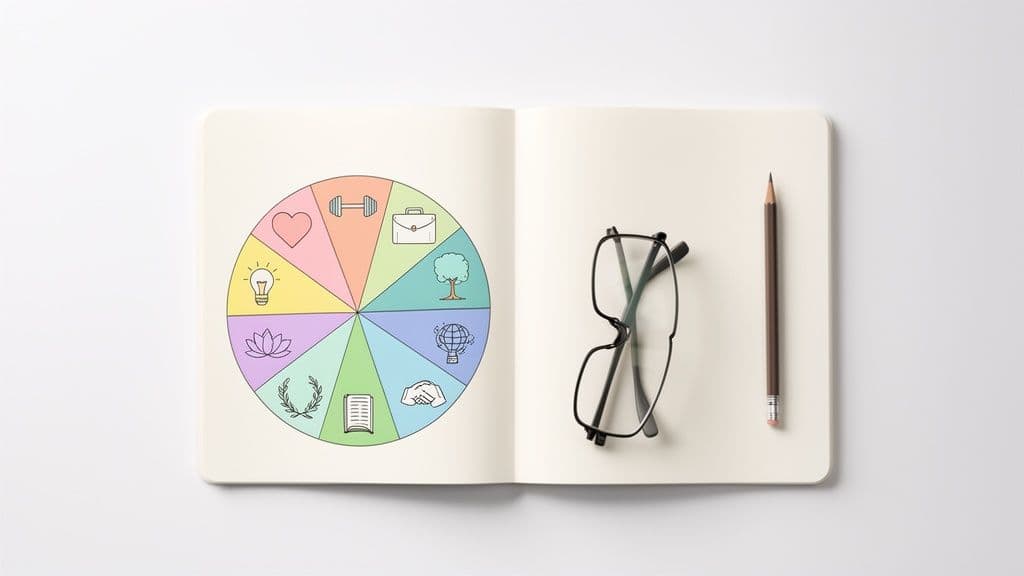
10 Purpose-Driven Lifetime Goals
Summary: Build a lifetime goals list across 10 core areas — career, relationships, finances, cycles, and inner growth — to create clarity, meaning, and steady growth.
Introduction
Ready to build a lifetime goals list that actually guides your choices? This article breaks the work into 10 practical areas so you can move from scattered to intentional. Use the guidance here to align career, relationships, money, parenting, and inner growth with clear purpose and timing. Small, consistent actions compound into meaningful change, and writing goals down and sharing progress improves follow-through1. A clear sense of purpose also links to better long-term health and resilience, making purpose-driven planning a high-value investment in your life3.
We draw on Dan Millman’s life-purpose framework to keep the approach practical and grounded in practice2.
1. Discover and Live Your Life Path
Before you set lasting goals, clarify your core purpose. Life-path frameworks can highlight strengths and recurring lessons; use those perspectives to set goals that feel authentic rather than imposed.
How to apply your life path:
- Calculate your life-path number and read a concise summary from a reputable guide.
- Reflect on recurring challenges to see how they map to your path.
- Time major moves and projects with nine-year cycles.
- Learn the life paths of close people to improve empathy and communication.

2. Master Relationship Compatibility Through Your Life Path
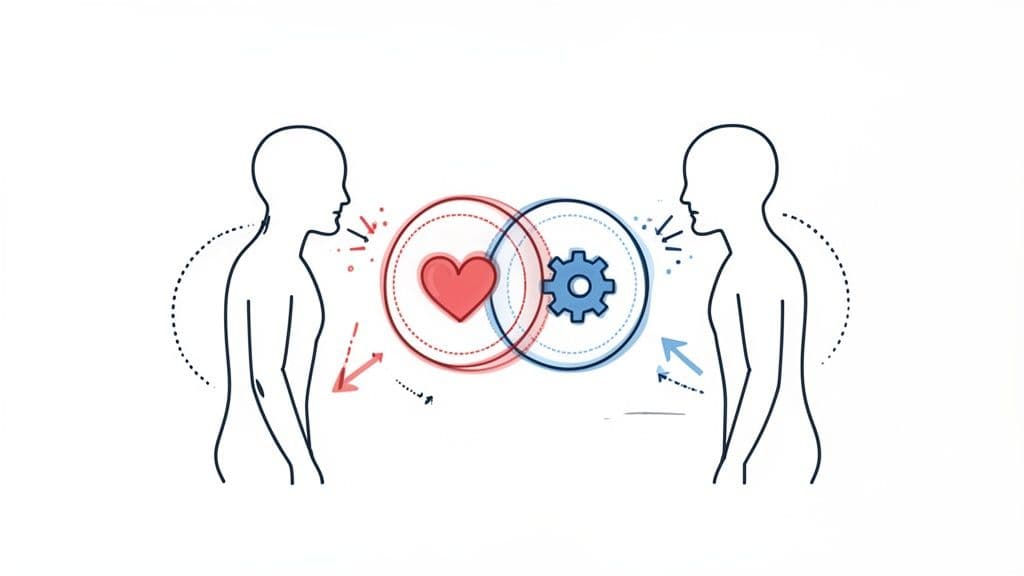
Strong relationships make a meaningful life possible. Comparing life paths can reveal where two people naturally mesh and where friction may appear. Use that insight to choose curiosity over blame.
How to apply relationship insights:
- Calculate and compare life paths for partners, close friends, or collaborators.
- Identify complementary strengths and assign roles that play to those strengths.
- Spot potential challenges early and discuss them with curiosity.
- Use compatibility insights as a tool for empathy, not as a rigid label.
3. Align Career Choices with Your Core Gifts
Career satisfaction grows when work matches your strengths and values. Life-path insight can guide you away from externally driven choices and toward roles that energize you.
How to align your career:
- Identify core gifts described by your life path and test those roles with side projects or volunteer work.
- Journal about moments when you felt most engaged and compare them to path themes.
- Time major career changes with supportive cycles.
- Seek mentorship and run short experiments before big transitions.
4. Navigate Life Transitions Using Nine-Year Cycles
Life often unfolds in recurring cycles that highlight times for starting, consolidating, and releasing. Recognizing nine-year rhythms helps you plan with less friction and more flow.
How to apply nine-year cycles:
- Map your personal cycles with a cycle calculator or a trusted app.
- Review your past to see how cycles corresponded with major events.
- Use cycle themes to plan timing for big decisions.
- Honor completion phases as times for rest and re-evaluation.
5. Develop Emotional Intelligence Through Practical Principles
Build emotional intelligence by combining psychological tools with simple, repeatable practices. Learning why patterns repeat helps you respond with skill rather than react out of habit.
How to apply these principles:
- Study practical frameworks that explain common emotional patterns.
- Journal to spot which principles show up in your strongest reactions.
- Practice mindful observation before responding.
- Reframe conflicts using curiosity to foster compassion.
6. Cultivate Financial Wisdom Aligned with Your Life Path
Financial health is more sustainable when it connects to your values and natural tendencies. Your life path can reveal an approach to earning, saving, and sharing resources that fits you.
How to apply your life path to finances:
- Identify money strengths and habitual patterns tied to upbringing.
- Time major financial moves to match your cycles.
- Discuss financial tendencies with partners to build compatibility.
- Design money goals that support a larger purpose.
7. Heal Core Wounds Through Understanding Your Central Challenge
Each life path includes a central challenge. Treat that challenge as a teacher, not a flaw; this shifts old wounds into sources of insight and resilience.
How to work with your central challenge:
- Identify recurring patterns and journal specific triggers.
- Practice self-compassion as you investigate these themes.
- Seek therapeutic or coaching support when patterns feel overwhelming.
- Notice how the wound often points toward a related gift.
8. Build Authentic Self-Knowledge Through Daily Reflection
Consistent reflection reveals patterns over time and creates the stable foundation needed to pursue other goals. Daily or weekly practice yields cumulative insight.
How to apply daily reflection:
- Set a brief reflection ritual, even five minutes a day.
- Anchor reflection to your life-path summary and current cycle.
- Track recurring patterns rather than isolated incidents.
- Share insights with a trusted friend or coach for perspective.
9. Create Conscious Parenting Using Life Path Compatibility
Parenting with awareness of your child’s life path invites respect for their unique gifts and challenges. This approach helps you respond rather than react.
How to apply life-path compatibility in parenting:
- Calculate your child’s life path to better understand their natural tendencies.
- Validate their authentic nature rather than molding them to expectations.
- Tailor support to specific developmental challenges.
- Use compatibility insights to shape family roles and boundaries.
10. Integrate Spirituality and Sexuality with Wisdom and Authenticity
Spirituality and sexuality are related expressions of life energy. Integrating them consciously can reduce shame and deepen intimacy.
How to integrate these energies:
- Study how your life path describes sexual expression and relationship needs.
- Journal honestly about desires and patterns to separate authentic needs from conditioning.
- Communicate openly with partners about needs and boundaries.
- Channel sexual energy into creativity and spiritual practice when appropriate.
10-Point Life Goals Comparison
| Item | Effort | Resources | Expected outcomes | Ideal use cases | Key advantage |
|---|---|---|---|---|---|
| Discover and Live Your Life Path | Low to moderate | Low | Clear purpose; direction | Self-discovery, career planning | Immediate personalized insight |
| Master Relationship Compatibility | Moderate | Medium | Better understanding; less conflict | Couples, teams, families | Fosters empathy and role clarity |
| Align Career Choices | Moderate | Medium | Higher satisfaction; less burnout | Career pivots, entrepreneurship | Matches work to innate strengths |
| Navigate Transitions with Cycles | Low to moderate | Low | Predictable timing; less anxiety | Major decisions | Anticipates phases for smoother change |
| Develop Emotional Intelligence | High | High | Better regulation; deeper relationships | Therapy, leadership | Integrates practical and psychological work |
| Cultivate Financial Wisdom | Moderate | Medium | Values-aligned finances | Personal finance, partnerships | Personalized strategies increase resilience |
| Heal Core Wounds | High | High | Deep transformation | Trauma work, long-term growth | Turns wound into a source of strength |
| Build Self-Knowledge | Moderate | Low to medium | Clearer boundaries; better choices | Ongoing growth | Foundational practice for all work |
| Create Conscious Parenting | Moderate | Medium | Stronger bonds; tailored support | Parenting, blended families | Individualized, compassionate guidance |
| Integrate Spirituality & Sexuality | High | High | Healthier intimacy; creative vitality | Couples, sexual healing | Holistic integration of erotic energy |
Turn Insight Into Action
Pick one of the ten areas that matters most today. Choose a single, concrete action you can take in the next 24 hours — a five-minute reflection, a difficult conversation, or a small experiment — and commit to it. Writing down goals and sharing progress increases follow-through1.
“Your lifetime goals list is not a static document. It’s a living blueprint to revisit and adapt as you grow.”
Concise Q&A (Common questions and quick answers)
Q: Where should I start when building a lifetime goals list?
A: Start with the area that feels most urgent or energizing. Clarify one outcome, pick one small action, and track progress for one month.
Q: Are life-path systems a valid planning tool?
A: They’re reflective tools that offer useful language about strengths and timing, best used alongside practical planning and evidence-based approaches2.
Q: How often should I revisit my lifetime goals list?
A: Revisit it at least quarterly and again during major cycle transitions or life events.
Quick Q&A (3 concise items)
Q: How do I make goals stick?
A: Write them down, break them into small steps, and share progress with a trusted person1.
Q: How do cycles help planning?
A: Cycles give timing cues for starting and pausing big projects, helping you align action with momentum.
Q: What if my priorities change?
A: That’s normal. Treat your list as a flexible map, not a contract.
Three Practical Q&A Sections
1) Getting started
Q: What’s the fastest way to move from idea to action?
A: Choose one area, write a single measurable outcome, and schedule a five-minute start in the next 24 hours.
2) Using life-path tools
Q: How should I mix life-path insight with real-world planning?
A: Use life-path themes to name strengths and likely challenges, then apply standard planning methods, like specific goals and short experiments, to test choices4.
3) When you hit resistance
Q: I get stuck revisiting the same patterns. What helps?
A: Track triggers in a journal, practice self-compassion, and consider coaching or therapy when patterns block progress.
Further resources and next steps
- Use a structured nightly journaling prompt or a goal template to capture progress and insights, for example: /templates/goal-template
- For cycle tracking and detailed life-path summaries, explore reputable tools and classic texts such as Dan Millman’s The Life You Were Born to Live2.
- For conscious parenting resources, see /guides/parenting-with-purpose
1.
Gail Matthews, “A Study of the Relationship Between Goal Setting and Having Goals Written Down,” Dominican University (2015), https://www.dominican.edu/articles/dominican-university-study-goal-setting
2.
Dan Millman, The Life You Were Born to Live, https://www.goodreads.com/book/show/114684.The_Life_You_Were_Born_to_Live
3.
Patrick L. Hill and Nicholas A. Turiano, “Purpose in Life as a Predictor of Mortality Across Adulthood,” Psychological Science (2014), https://psycnet.apa.org/record/2014-19984-001
4.
E. A. Locke and G. P. Latham, “Building a Practically Useful Theory of Goal Setting and Task Motivation: A 35-Year Odyssey,” American Psychologist (2002), https://psycnet.apa.org/record/2002-16913-007
Discover Your Life Purpose Today!
Unlock your true potential and find your life’s purpose.
