We all want to feel genuinely well, not just chase momentary highs. This practical guide shows how to cultivate lasting peace and joy—qualities that arise from within and remain steady even when life is hard. You’ll learn science-backed practices, simple daily habits, and a personalized path you can use to make inner calm and sustained joy part of your life.

March 13, 2026 (7mo ago) — last updated August 9, 2026 (2mo ago)
Cultivate Lasting Peace & Joy
Science-backed and spiritual practices—gratitude, mindfulness, and personalized life-path work—to cultivate lasting inner peace and everyday joy.
← Back to blog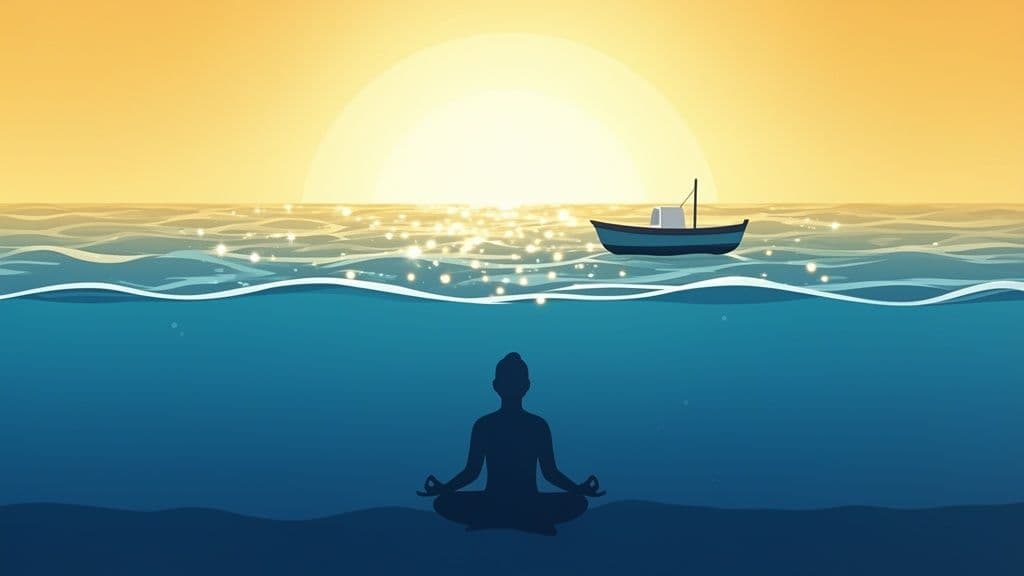
We all want to feel genuinely well, not just chase momentary highs. This practical guide shows how to cultivate lasting peace and joy—qualities that arise from within and remain steady even when life is hard. You’ll learn science-backed practices, simple daily habits, and a personalized path you can use to make inner calm and sustained joy part of your life.
Find Lasting Peace and Joy
Summary
Discover practical, science-backed and spiritual strategies to cultivate lasting inner peace and joy, including gratitude, mindfulness, and a personalized life-path approach.
Introduction
We all want to feel genuinely well, not just chase momentary highs. This practical guide shows how to cultivate lasting peace and joy—qualities that arise from within and stay steady even when life is hard. You’ll find clear differences between peace, joy, and happiness, research-backed daily practices, and a simple path to personalize the work for your life.
The Foundations of Peace and Joy
Peace and joy are qualities you can nurture from the inside out. They don’t depend on perfect circumstances but on an inner foundation you build. Understanding how these experiences differ is the first step toward making them durable.
Distinguishing the Feelings
- Peace is your inner anchor: a deep, quiet stillness that remains when life gets stormy.
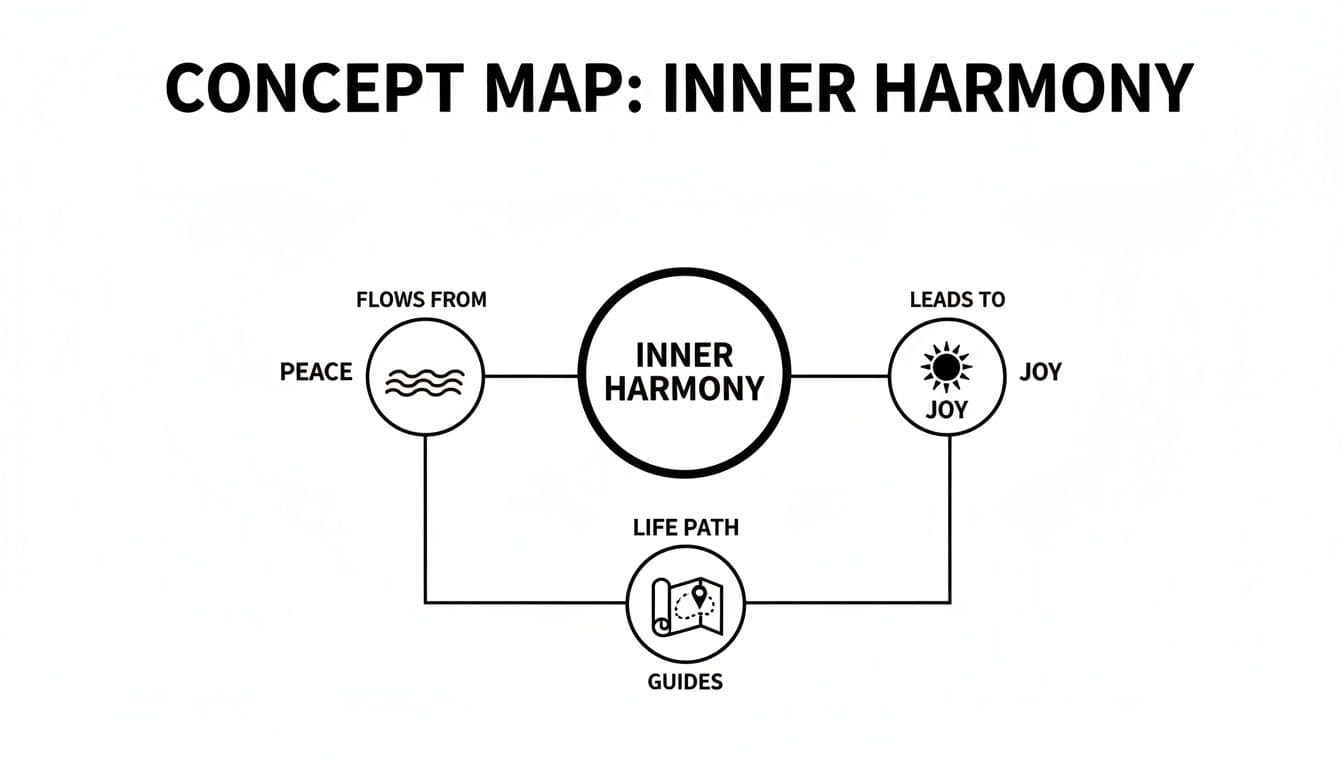
- Joy is the radiant energy that springs naturally from peace; it’s a warm, expansive delight from your core rather than a reactive thrill.
“True fulfillment isn’t about dodging life’s challenges. It’s about developing an inner state of peace so profound that joy becomes its natural expression.”
A Personalized Path to Fulfillment
Common practices like meditation and gratitude help many people, but the most powerful path honors your unique wiring. Systems such as Dan Millman’s work and the Life Purpose App offer a way to discover strengths and recurring challenges so you can build a roadmap that fits who you are. When you work with your nature rather than against it, finding peace and joy starts to feel like coming home4.
Understanding Peace, Joy, and Happiness
These words get used interchangeably, but they come from different places:
- Happiness often depends on external events and fades.
- Peace is a deep internal stillness rooted in acceptance.
- Joy is the expressive warmth that arises from that inner calm.
Think of happiness as passing waves, peace as the ocean’s deep calm, and joy as sunlight on the surface.
Peace vs. Joy vs. Happiness: Quick Comparison
| Aspect | Peace | Joy | Happiness |
|---|---|---|---|
| Source | Internal; acceptance and alignment with self. | Internal; expression of inner peace and gratitude. | External; triggered by events or possessions. |
| Feeling | Deep, quiet calm and stability. | Warm, expansive delight from within. | Excited, often short-lived pleasure. |
| Duration | Lasting and resilient. | Can be sustained independent of circumstances. | Fleeting and circumstantial. |
Developing emotional awareness helps you name what you’re experiencing and choose practices that grow what lasts.
The Science and Spirit of Inner Peace
Peace has both biological and spiritual foundations. Practices like mindfulness, quiet walks, and deep breathing shift the nervous system from fight-or-flight toward rest-and-digest, lowering stress markers and clearing the mind1.
Spiritual Foundations of Peace
Spiritual peace grows from acceptance—letting go of the urge to control every outcome and trusting a process larger than anxiety. This kind of peace comes from releasing the inner tug-of-war and cultivating:
- Acceptance: seeing reality without resistance.
- Letting go: releasing the need to control outcomes.
- Connection: feeling part of something larger than yourself.
“Peace isn’t found by rearranging your life. It’s found by realizing who you are at your deepest level.”
Your Personal Path to Inner Calm
Personalized work goes deeper than generic tips. Tools that reveal inner patterns help you identify the core conflicts that disrupt your calm so you can focus on practices that actually resolve them4. Addressing root issues creates a stable foundation for lasting peace.
How to Cultivate More Joy Daily
If peace is the deep ocean, joy is the sunlight on the surface. Joy can be invited through simple, intentional habits that create an upward spiral of positive emotion.
Gratitude and Generosity
A short daily gratitude practice shifts focus from lack to abundance. Randomized studies show gratitude exercises increase life satisfaction and wellbeing2. Generosity—giving time, attention, or resources—also boosts positive feelings and connection.
“Joy is the natural overflow of a heart at peace and full of gratitude.”
Community, Creativity, and Play
Humans are wired for connection. Strong relationships and community support predict higher well-being. The World Happiness Report highlights social support and trust as major factors in national wellbeing, and places with stronger social cohesion show higher life satisfaction3.
Creativity and play are direct paths to joy. These activities quiet the inner critic, bring present-moment focus, and let delight surface.
Your Life Path: A Personal Map to Peace and Joy
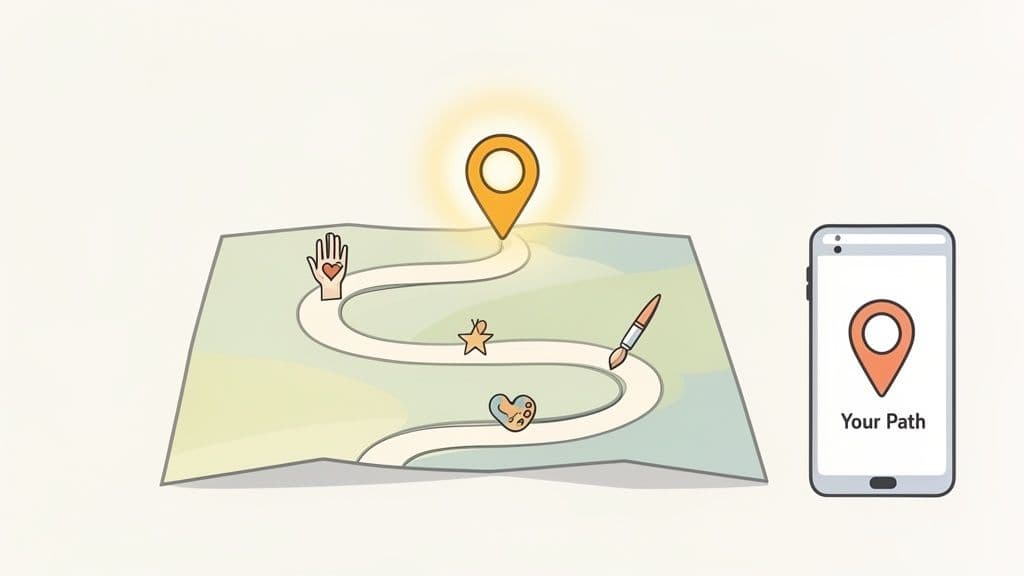
Generic advice is a start, but the most lasting change comes when you align actions with your natural tendencies. Systems that use birth-date patterns can reveal strengths and challenges so you can lean into activities that energize you rather than drain you4.
When you know your natural wellsprings of peace:
- You stop asking, “What’s wrong with me?” and start recognizing what truly fuels you.
- You design daily rhythms that feel right, not forced.
- Peace and joy become features of your life, not rare rewards.
Building a Culture of Harmony: Lessons From Happy Nations
Personal work matters, but societies shape what’s possible. The world’s happiest countries tend to have strong social safety nets, high trust, and robust community ties—factors that make peace and joy more accessible for everyone. Finland’s repeated top ranking illustrates how policy and social cohesion support wellbeing at scale3.
Practical Steps You Can Start Today
- Begin a gratitude journal: write three specific things each evening you’re thankful for.
- Practice 5–10 minutes of mindful breathing daily to calm your nervous system1.
- Schedule creative or playful time each week—no performance required.
- Notice relationships that energize you and invest in them.
- Explore tools that personalize the journey, such as the Life Purpose App, to target your specific challenges and strengths4.
Three Common Questions About Peace and Joy
Can you find peace and joy when life is hard?
Yes. Peace is the ability to remain centered despite problems. Joy is noticing small moments of gratitude and connection even amid difficulty. Both are skills you can strengthen with practice.
How does personalized work (like the Life Purpose App) help?
Personalized approaches identify core strengths and recurring challenges so you can choose practices that actually fit you. That reduces wasted effort and speeds meaningful change4.
What’s one simple practice to start today?
Start a nightly gratitude journal: list three specific things you were grateful for. This small habit reliably shifts attention toward abundance and supports lasting joy2.
Ready to discover your personal roadmap to fulfillment? Download the Life Purpose App to explore insights from The Life You Were Born to Live and align with the path that brings you authentic peace and joy. Find your purpose at lifepurposeapp.com.
1.
M. Goyal et al., “Meditation Programs for Psychological Stress and Well-Being: A Systematic Review and Meta-Analysis,” JAMA Internal Medicine (2014). https://jamanetwork.com/journals/jamainternalmedicine/fullarticle/1809754
2.
R. A. Emmons and M. E. McCullough, “Counting Blessings Versus Burdens: An Experimental Investigation of Gratitude and Subjective Well-Being,” Journal of Personality and Social Psychology (2003). https://pubmed.ncbi.nlm.nih.gov/12674826/
3.
J. Helliwell, R. Layard, and J. Sachs, eds., World Happiness Report 2026. https://worldhappiness.report/
4.
Dan Millman, The Life You Were Born to Live (New World Library), and Life Purpose App. https://danmillman.com/books/the-life-you-were-born-to-live/
Discover your life path today
Enter your date of birth and see your life path, free.
Find your life path