Explore 10 meaningful quotes about perfection and imperfection, with context, attribution, and practical reflections on acceptance, growth, and creativity.

September 14, 2026 (1mo ago)
10 Quotes About Perfection and Imperfection
Explore 10 meaningful quotes about perfection and imperfection, with context, attribution, and practical reflections on acceptance, growth, and creativity.
← Back to blog
Explore 10 meaningful quotes about perfection and imperfection, with context, attribution, and practical reflections on acceptance, growth, and creativity.
Perfection is often presented as the safest destination. Do everything correctly, avoid visible mistakes, meet every expectation, and you'll finally feel secure. Yet that promise can keep people from beginning, sharing, resting, or changing. Research makes the picture more nuanced. A 2024 meta-analysis found that perfectionistic concerns, such as fear of mistakes and harsh self-criticism, had medium associations with anxiety, obsessive-compulsive symptoms, and depression, while perfectionistic strivings showed much smaller associations with those difficulties (systematic review and meta-analysis). Healthy standards and punishing self-judgment aren't the same thing.
These quotes about perfection and imperfection move through three connected ideas: acceptance, growth, and creative action. Read each one as a doorway into a practical question, not as a slogan that must solve everything. The attribution matters, but so does the interpretation you bring to the words. If perfectionism is interfering with work, relationships, or wellbeing, therapy for perfectionism can offer support beyond inspirational language.
1. Have no fear of perfection, you'll never reach it
“Have no fear of perfection – you'll never reach it.”
, Salvador Dalí
Salvador Dalí's line sounds playful, but it makes a serious point. If perfection is unreachable, treating it as a condition for action guarantees delay. The artist who waits until every idea is safe may never finish a painting. The entrepreneur who refuses to release an early version may learn nothing from real users. The athlete who measures every session against flawlessness may overlook steady improvement.
This doesn't mean standards are useless. It means the standard should serve the work, not intimidate the person doing it. The difference appears in the question you ask. “How can I make this better?” supports learning. “How can I prevent anyone from finding a flaw?” often creates fear and avoidance.
Use the process as evidence of progress
Dan Millman's The Life You Were Born to Live presents life paths as combinations of gifts and challenges. The Life Purpose App draws on that system to help users reflect on those qualities through birth-date numerology. Used carefully, that framework can encourage a more individual definition of progress. Your development doesn't have to resemble someone else's polished result.
Consider artists who allow unexpected marks to remain, product teams that improve an initial release, or runners who focus on form and consistency rather than a flawless performance. For a practical next step, move beyond fear of failure, then choose one progress-based goal. Finish the draft, share the sketch, or complete the training session. Let learning count as part of the outcome.

2. Imperfection is not our personal problem, it is a natural part of existing
“Imperfection is not our personal problem, it is a natural part of existing.”
, Pema Chödrön
Pema Chödrön's statement removes the accusation hidden inside the word “flawed.” A difficult emotion, an awkward conversation, a limitation, or an unfinished skill doesn't automatically prove that something is wrong with you. These experiences belong to being human. Acceptance starts when you stop spending all your energy arguing with that fact.
Acceptance isn't the same as approval of harmful behavior. You can acknowledge anger without acting cruelly. You can accept a limitation while seeking treatment, accommodation, training, or support. You can recognize that a relationship is difficult without deciding that difficulty must continue unchanged.
Work with discomfort before trying to fix it
Mindfulness, recovery work, and therapeutic approaches based on radical acceptance often begin with honest observation. What is happening in your body? What story are you telling yourself? What response would reduce harm without demanding instant emotional perfection?
Dan Millman's The Life You Were Born to Live describes challenges as part of a person's life-path development. The Life Purpose App offers a way to explore that interpretive system, including personal challenges and relationship dynamics. Treat it as a reflective prompt, not a verdict about your identity.
Try writing about one recurring difficulty without using the words “should,” “failed,” or “broken.” Describe the situation, your response, and what it might be asking you to learn. That small language shift can make room for curiosity.

3. The wound is the place where the Light enters you
“The wound is the place where the Light enters you.”
, Rumi
Rumi's image is powerful because it doesn't romanticize pain as pleasant or desirable. Instead, it suggests that vulnerability can become an opening to insight. Someone who has experienced grief may develop a deeper capacity to listen. An artist may turn sorrow into work that helps another person feel less alone. A person recovering from a destructive pattern may eventually recognize warning signs that once seemed invisible.
The trade-off matters. Not every wound automatically produces wisdom, and no one is obligated to transform suffering into a lesson for other people. Healing can include rest, boundaries, professional care, and ordinary days when progress feels invisible.
Let pain inform action, not define identity
Dan Millman's The Life You Were Born to Live connects personal challenges with developing strength and awareness. The Life Purpose App lets users examine those themes across areas such as health, money, sexuality, career, and relationships. That kind of reflection may help you identify patterns, but it shouldn't replace evidence-based care or imply that hardship was somehow required.
A useful journal prompt is: “What did this experience teach me about what I need now?” The answer might be a boundary, a conversation, a creative practice, or an appointment. If forgiveness is part of your process, explore healing without forcing reconciliation or rushing your timeline.
4. Our imperfections make us perfect
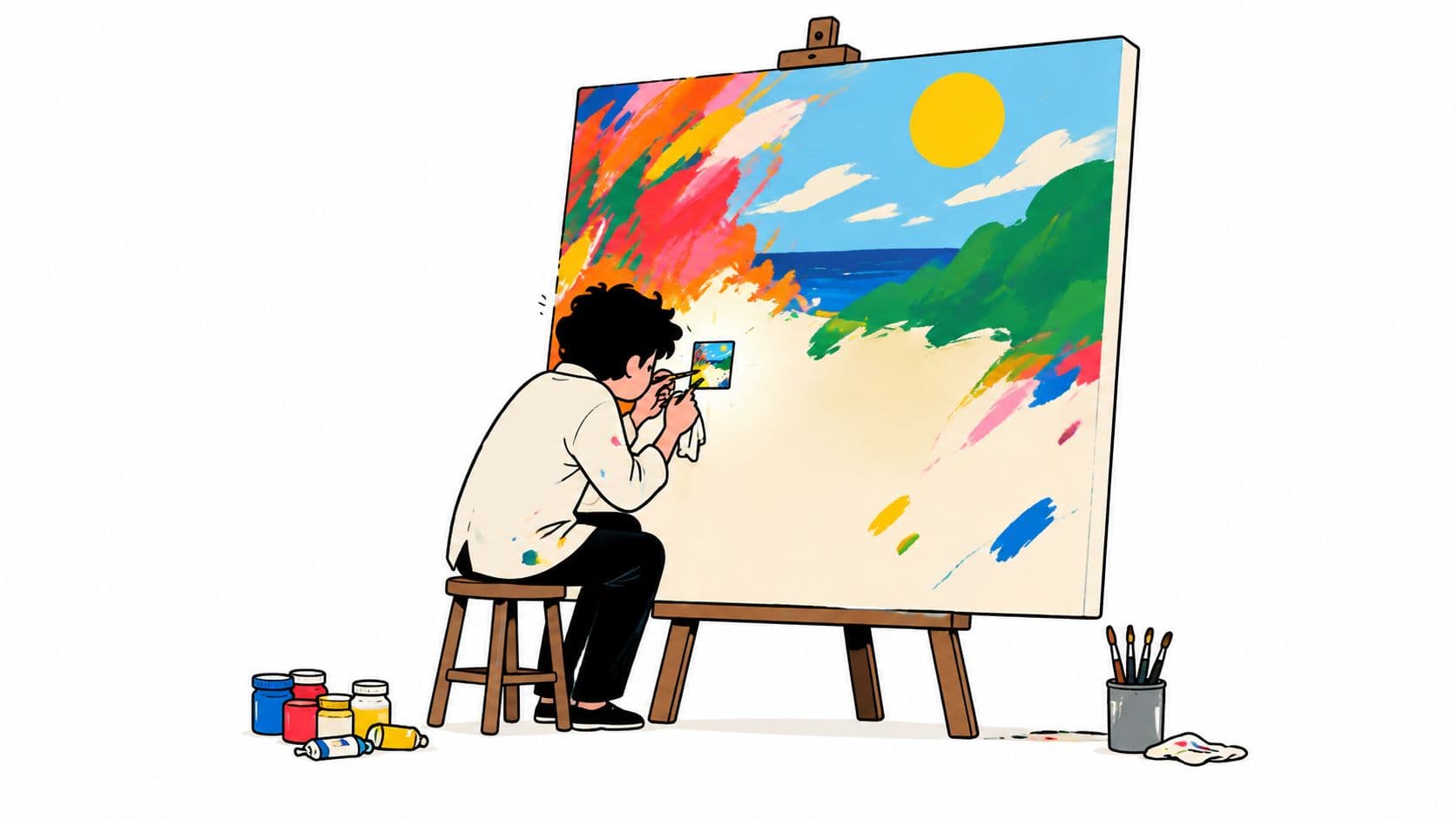
“Our imperfections make us perfect.”
, Jamie Campbell Bower
Jamie Campbell Bower's short statement turns the usual hierarchy upside down. Instead of treating individuality as damage to be corrected, it treats distinctive qualities as part of wholeness. A disability, unusual perspective, visible scar, strong accent, or unconventional identity can shape how someone moves through the world. Those qualities don't need to be erased before a person becomes complete.
Still, the word “perfect” can create confusion. You don't have to call every painful experience beautiful. You can accept yourself while wanting better access, better health, better communication, or more respectful treatment. Self-acceptance and practical improvement can coexist.
Reframe the trait without denying the difficulty
Dan Millman's The Life You Were Born to Live describes each life path through a particular combination of gifts and challenges. The Life Purpose App presents that material as a tool for self-reflection. Its most useful question isn't “Which label proves who I am?” but “How might I work with the qualities I already have?”
Try this exercise:
- Name the judgment: Write down one quality you regularly criticize.
- Find the function: Ask when that quality helps, protects, or alerts you.
- Choose a boundary: Decide where the quality needs guidance rather than shame.
- Tell a fuller story: Describe both its cost and its possible contribution.
Neurodiversity advocates, body-positive communities, and LGBTQ+ people have all challenged narrow definitions of an acceptable self. Their message isn't that every struggle disappears. It's that dignity shouldn't depend on resemblance to an artificial ideal.
5. You don't have to be perfect to be worthy
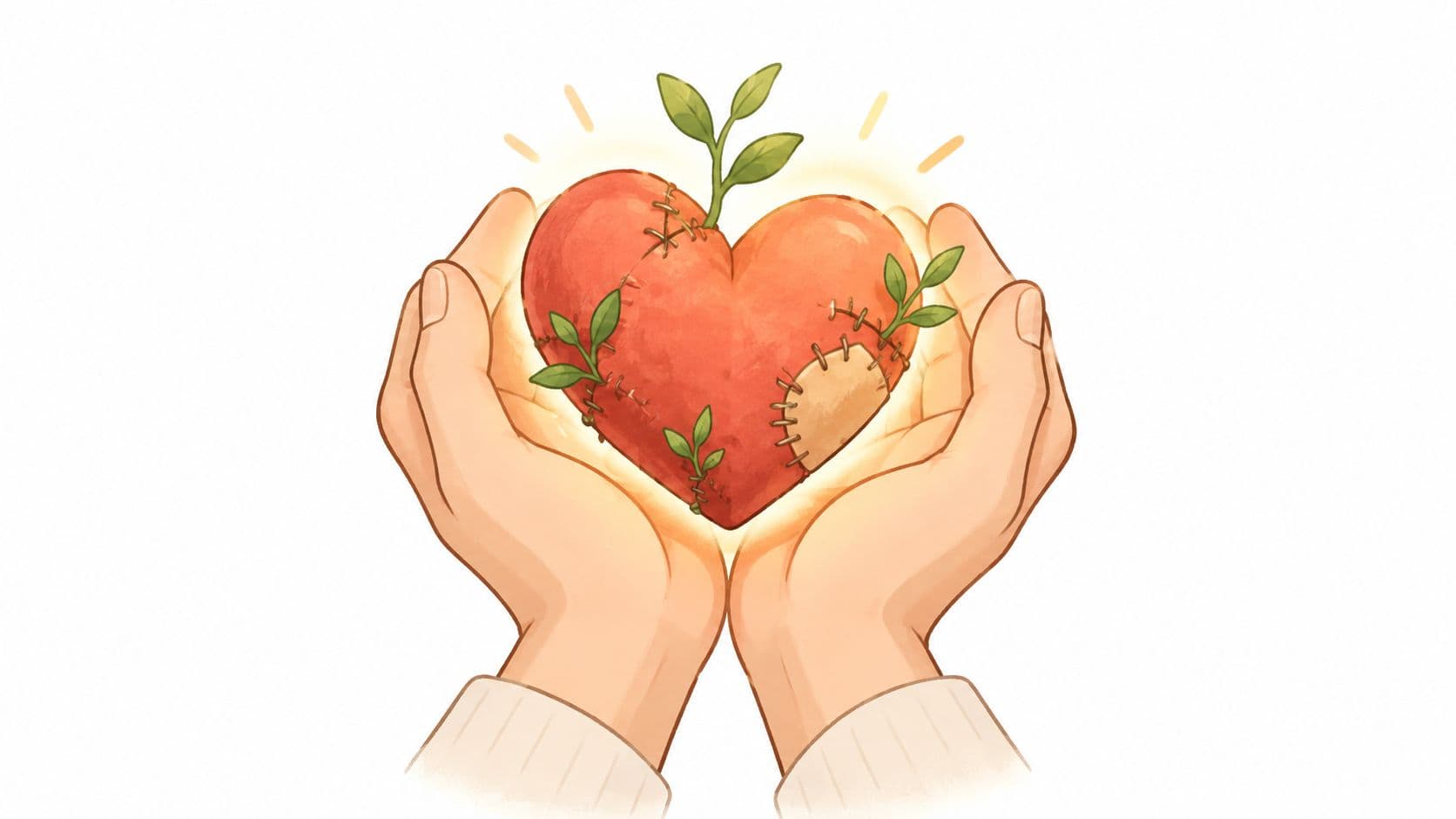
“You don't have to be perfect to be worthy.”
, Warsan Shire
Warsan Shire's affirmation separates human worth from performance. That distinction matters whenever achievement becomes a private audition for love, safety, or belonging. A student can earn excellent grades and still feel undeserving of rest. A parent can care for a child and still believe one mistake disqualifies them. A professional can deliver strong work and remain convinced that the next error will expose them.
Worth isn't a reward for flawless output. This doesn't remove responsibility. You can apologize, repair damage, improve a skill, and accept consequences without treating yourself as permanently defective.
Replace the performance test
The research distinction between perfectionistic concerns and perfectionistic strivings helps clarify this quote. The 2024 review linked concerns much more strongly with distress than strivings, which suggests that high standards aren't automatically the problem. The punishing belief that approval must be earned through flawlessness is the more dangerous pattern (meta-analytic evidence on perfectionism and distress).
Dan Millman's The Life You Were Born to Live and the Life Purpose App can support reflective questions about gifts, challenges, and purpose. They shouldn't be used to rank people or prove worth. Your value doesn't increase when an app describes you favorably.
Write one sentence beginning, “Even before I achieve anything today, I am…” Complete it with a human quality rather than a role. If shame is controlling your decisions, learn how to stop feeling like a failure. For readers who draw on faith, reflections such as House of Saint's discussion of biblical confidence may offer another perspective.
6. What lies behind us and what lies before us are tiny matters compared to what lies within us
“What lies behind us and what lies before us are tiny matters compared to what lies within us.”
, Ralph Waldo Emerson
Ralph Waldo Emerson shifts attention from two familiar sources of anxiety, the past and the future. Past mistakes can become an identity, while future uncertainty can become an excuse to wait. Emerson directs the reader inward, toward character, judgment, courage, and the resources already available for the next decision.
That inward turn shouldn't become isolation. Inner strength grows through relationships, learning, physical care, and practical support. A person facing financial pressure, illness, or discrimination may need external change as well as self-knowledge. Reflection is a foundation for action, not a substitute for action.
Ask what you can carry into today
Someone rebuilding after adversity might draw on patience learned through hardship. A leader might use self-awareness to admit uncertainty without abandoning responsibility. A spiritual seeker might notice that resilience comes less from controlling circumstances than from choosing a response.
Dan Millman's The Life You Were Born to Live frames birth-date numerology as a way to explore life-path gifts, spiritual laws, and lessons. The Life Purpose App makes those materials accessible for personal reflection. If you use it, compare what it suggests with your lived experience. Keep what helps you think more clearly, and set aside anything that doesn't fit.
Try a three-part journal entry:
- Behind you: What past event are you still using as proof against yourself?
- Before you: What future outcome are you treating as certain?
- Within you: What quality can guide the next small choice?
The point isn't to deny history or predict tomorrow. It's to stop handing both of them complete control over today.
7. Perfection is the enemy of good
“Perfection is the enemy of good.”
, Voltaire
Voltaire's aphorism belongs wherever delay disguises itself as quality control. A report remains in revision while the decision it should inform goes unmade. A writer researches one more detail instead of drafting. A business owner keeps improving a product that customers can't use because it hasn't been released.
“Good” doesn't mean careless. It means useful, responsible, and complete enough for its purpose. A medical procedure, safety instruction, or legal document deserves a different threshold from a casual social post or a first creative sketch. Wise standards account for consequences.
Define good enough before you begin
Modern creative and product teams often use iteration because feedback reveals problems that private polishing cannot. The same logic works personally. Finish a version, observe what happens, and improve the next version. Action creates information.
Dan Millman's The Life You Were Born to Live describes development as a lived process, and the Life Purpose App includes nine-year life-cycle material for reflection on changing phases. Use that feature as a prompt to ask what deserves attention now, rather than as a prediction that dictates your choices.
Practical rule: Decide in advance what “complete enough” means, then stop when you meet that definition.
Choose one blocked task and set a visible finishing condition. Send the email after checking its facts and tone once. Publish the essay after a final edit. Share the prototype with a real person. The goal isn't to lower every standard. It's to stop perfection from consuming work that already meets its purpose.
8. The privilege of a lifetime is being who you are
“The privilege of a lifetime is being who you are.”
, Carl Jung
Carl Jung's statement points toward authenticity, but authenticity isn't a fixed personality performance. It involves noticing which parts of yourself you've hidden to gain approval, then integrating them with responsibility. A career changer may leave a respected path for work that feels meaningful. An artist may stop imitating popular styles and develop a distinctive voice. Someone exploring gender identity may choose language and presentation that feel honest rather than expected.
Being yourself doesn't mean every impulse deserves expression. Authenticity still includes empathy, consent, accountability, and the ability to grow. The aim is not to become a louder version of a rigid self-image. It's to live with less distance between your values and your choices.
Notice where you're performing
Dan Millman's The Life You Were Born to Live offers a life-path framework for considering gifts and challenges. The Life Purpose App lets users explore that framework, including relationship dynamics and areas of development. It can provide language for reflection, but no system can replace the authority of your direct experience.
Ask yourself:
- Which role earns approval but leaves you depleted?
- Which quality feels natural but has been criticized?
- Where do you behave differently because the environment feels unsafe?
- What would authentic expression look like without harming yourself or others?
A supportive friend, counselor, or coach can help you distinguish genuine self-knowledge from a temporary reaction. Authentic identity becomes stronger through repeated, grounded choices. It isn't achieved by finding a perfect label and never changing again.
9. Flawlessness is impossible; the only perfection is in how we respond to our flaws
“Flawlessness is impossible; the only perfection is in how we respond to our flaws.”
, Sheryl Sandberg
This quote moves from acceptance to responsibility. You may not control every limitation, mistake, or emotional reaction, but you can influence what happens next. A manager can acknowledge a poor decision and correct course. A parent can apologize to a child and change the pattern. A friend can stop defending hurtful behavior and begin repairing trust.
The phrase “how we respond” includes more than productivity. Sometimes the right response is rest. Sometimes it's a boundary, an honest conversation, professional support, or a decision to leave an unsafe situation. Compassion doesn't mean avoiding consequences. It means facing them without adding needless self-attack.
Turn a recurring flaw into a response plan
The Life Purpose App draws from Dan Millman's The Life You Were Born to Live and presents themes involving gifts and challenges across life areas. If you use that material, select one recurring challenge and connect it to an observable behavior. “I struggle with criticism” is broad. “When someone edits my work, I become defensive and stop listening” gives you something to practice.
Build a response plan with three parts:
- Notice: Identify the first physical or emotional signal.
- Pause: Create a short space before speaking, sending, or deciding.
- Repair: Name the impact and choose a corrective action.
You can track whether your response becomes more deliberate over time. Success isn't the absence of every old reaction. It's recognizing the pattern sooner and recovering with greater honesty.
10. Becoming is better than being
“Becoming is better than being.”
, Sylvia Plath
Sylvia Plath's line favors movement over completion. A finished identity can feel comforting, but it can also become a cage. “This is just who I am” may describe a real pattern, yet it can also prevent a person from learning a new skill, changing a relationship habit, or trying a different kind of work.
Becoming doesn't require constant self-optimization. You aren't a project that must remain under inspection. Growth can look like becoming more patient, more direct, more rested, or more willing to ask for help. It can also mean becoming less available for expectations that no longer fit.
Let development guide the next experiment
Dan Millman's The Life You Were Born to Live treats life paths as journeys through gifts, challenges, and lessons. The Life Purpose App includes nine-year life-cycle reflections that users can explore as a way to consider changing priorities. Use the framework gently. Your life isn't obligated to follow an app's interpretation, and growth isn't always linear.
A lifelong learner may return to a subject after years away. An athlete may refine technique through repeated practice. Someone doing inner work may revisit an old fear with a new support system. In each case, the person isn't waiting to become finished before living.
Write two sentences: “I am currently learning to…” and “Today I can practice this by…” Keep the action small enough to complete. Becoming becomes believable when it appears in behavior, not only in self-description.
10-Quote Comparison: Perfection vs Imperfection
| Quote (Author) | 🔄 Implementation Complexity | ⚡ Resource Requirements | 📊 Expected Outcomes (⭐) | 💡 Ideal Use Cases | ⭐ Key Advantages | |---|---:|---:|---|---|—| | "Have no fear of perfection..." (Salvador Dalí) | Low, mindset reframing; practice-focused | ⚡ Low, journaling, app guidance | 📊 Reduced perfectionism; more creative risk (⭐️⭐️⭐️) | Creative work, iterative product design | Liberates creativity; reduces paralysis | | "Imperfection is not our personal problem..." (Pema Chödrön) | Moderate, philosophical integration | ⚡ Low–Moderate, mindfulness, reflection | 📊 Greater equanimity and self-compassion (⭐️⭐️⭐️) | Emotional healing, recovery, therapy | Normalizes struggle; builds acceptance | | "The wound is the place where the Light enters you." (Rumi) | Moderate, deep inner work, meaning-making | ⚡ Moderate, journaling, cycle tracking | 📊 Meaning from pain; transformative growth (⭐️⭐️⭐️⭐️) | Trauma recovery, spiritual development | Reframes suffering as growth gateway | | "Our imperfections make us perfect." (Jamie C. Bower) | Low, cognitive reframing | ⚡ Low, app mapping + reflection | 📊 Stronger self-acceptance and authenticity (⭐️⭐️⭐️) | Identity work, community advocacy | Celebrates uniqueness; affirms worth | | "You don't have to be perfect to be worthy." (Warsan Shire) | Low, belief change, practice | ⚡ Low, reflective exercises, app | 📊 Reduced shame; improved self-esteem (⭐️⭐️⭐️) | Mental health support, parenting, therapy | Decouples worth from achievement | | "What lies behind us... what lies within us." (Ralph W. Emerson) | Moderate, cultivate internal locus | ⚡ Moderate, app + reflective practice | 📊 Increased agency and resilience (⭐️⭐️⭐️) | Leadership development, recovery from setbacks | Emphasizes inner resources and purpose | | "Perfection is the enemy of good." (Voltaire) | Low, pragmatic behavior change | ⚡ Low, process tools, standards | 📊 Faster delivery; iterative improvement (⭐️⭐️⭐️⭐️) | Agile teams, entrepreneurs, creatives | Reduces paralysis; encourages action | | "The privilege of a lifetime is being who you are." (Carl Jung) | High, long-term individuation work | ⚡ High, therapy, deep study, app support | 📊 Deep integration and authenticity (⭐️⭐️⭐️⭐️) | Lifelong psychological growth, vocation shifts | Grounded framework for authentic living | | "Flawlessness is impossible; the only perfection is in how we respond to our flaws" (Sheryl Sandberg) | Moderate, develop response habits | ⚡ Moderate, coaching, tracking practices | 📊 Balanced self-acceptance + accountability (⭐️⭐️⭐️⭐️) | Leadership, parenting, professional growth | Actionable maturity; combines acceptance with responsibility | | "Becoming is better than being." (Sylvia Plath) | Moderate, embrace continual growth | ⚡ Moderate, long-term reflection, cycle use | 📊 Sustained motivation; evolving mastery (⭐️⭐️⭐️) | Lifelong learners, artisans, spiritual seekers | Frames imperfection as ongoing development |
Let the Quote Change One Small Choice
The strongest quotes about perfection and imperfection don't ask you to admire imperfection from a distance. They ask you to change your relationship with mistakes, limits, identity, and effort. The most useful interpretation is usually practical. What will you stop demanding from yourself? What will you take responsibility for? What will you begin before certainty arrives?
Start with acceptance. Some facts cannot be made flawless. You may have a history you can't revise, a body with real limitations, a personality that includes both strengths and difficult edges, or a relationship that won't provide everything you want. Acceptance means seeing the situation clearly enough to stop wasting energy on denial. It doesn't mean approving of injustice, abandoning treatment, or refusing to pursue improvement.
Next, look for the capacity hidden inside a recurring challenge. A fear of criticism may point toward a need for emotional regulation and clearer feedback habits. A tendency to overwork may reveal commitment that needs boundaries. A painful experience may teach you what safety, honesty, or compassion require. Don't force a positive meaning onto suffering. Ask what lesson is available now.
Finally, take one imperfect action. Send the honest message. Submit the draft. Schedule the appointment. Practice the skill for a short period. Tell someone what you need. The action should be specific enough that you can recognize completion today, not someday.
Research supports a careful distinction here. A large cross-temporal meta-analysis of 304 samples involving 82,114 college students in the United States, Canada, and the United Kingdom found that perfectionism rose steadily from 1989 to 2024, with several forms increasing over time and socially prescribed perfectionism accelerating in the early 2000s (the cross-temporal meta-analysis%20Bulletin.pdf)). That context helps explain why acceptance can feel difficult, especially in environments built around comparison and visible achievement.
Choose the quote that matches your present situation. Write the line at the top of a page, then complete this sentence: “Because I believe this today, I will…” Make the answer observable, modest, and kind. If you want to explore life paths or numerology, Dan Millman's The Life You Were Born to Live and the Life Purpose App can serve as optional reflection tools. They aren't substitutes for professional support or evidence-based care, especially when perfectionism is connected with serious distress.
The Life Purpose App offers birth-date-based life-path reflection inspired by Dan Millman's The Life You Were Born to Live, including gifts, challenges, spiritual laws, relationship dynamics, and nine-year cycles. Visit Life Purpose App to explore a personal framework for turning self-judgment into clearer, more compassionate choices.
Discover your life path today
Enter your date of birth and see your life path, free.
Find your life path