Life can feel like it’s running at a thousand miles per hour. Stress management coaching gives practical tools, measurable goals, and ongoing support so you feel calmer, sharper, and more resilient.
March 4, 2026 (6mo ago) — last updated August 14, 2026 (1mo ago)
Stress Management Coaching to Reduce Stress
Coach-led strategies to reduce stress, improve focus, and build resilience with measurable goals and daily practices.
← Back to blog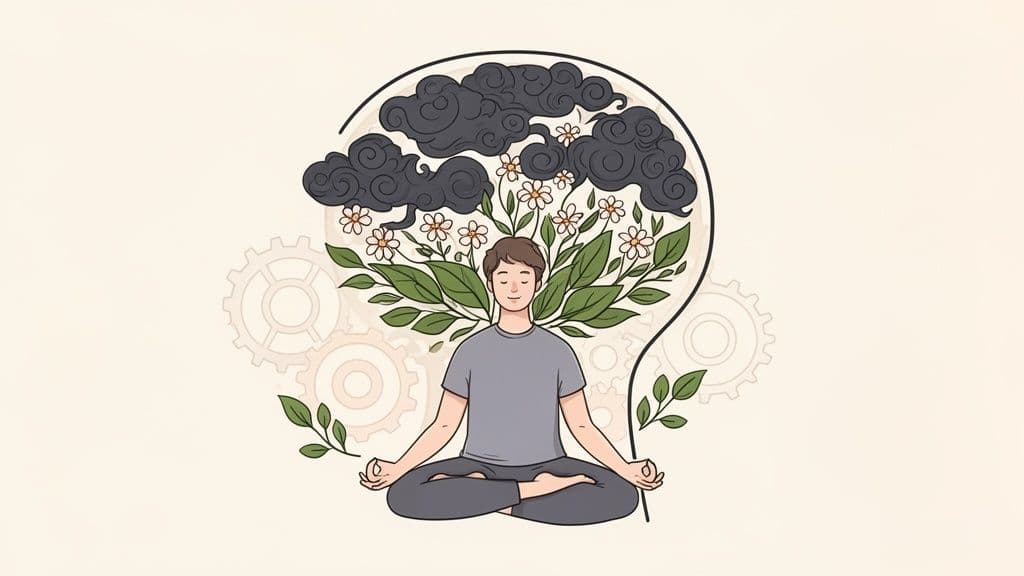
Stress Management Coaching to Reduce Stress
Summary: Discover coach-led strategies to reduce stress, sharpen focus, and build lasting resilience with measurable goals and simple daily practices.
Introduction
Life can feel like it’s running at a thousand miles per hour. Work deadlines, family needs, and the constant buzz of our phones leave many people chronically stressed. When “just relax” stops working, stress management coaching gives practical tools, a clear plan, and ongoing support so you feel calmer, sharper, and more resilient.
Coaching combines evidence-informed techniques with accountability and a personalized action plan so you’re not guessing what to do next. Many people report faster, more sustainable change with a coach than going it alone1.
What Is Stress Management Coaching and Who Is It For?
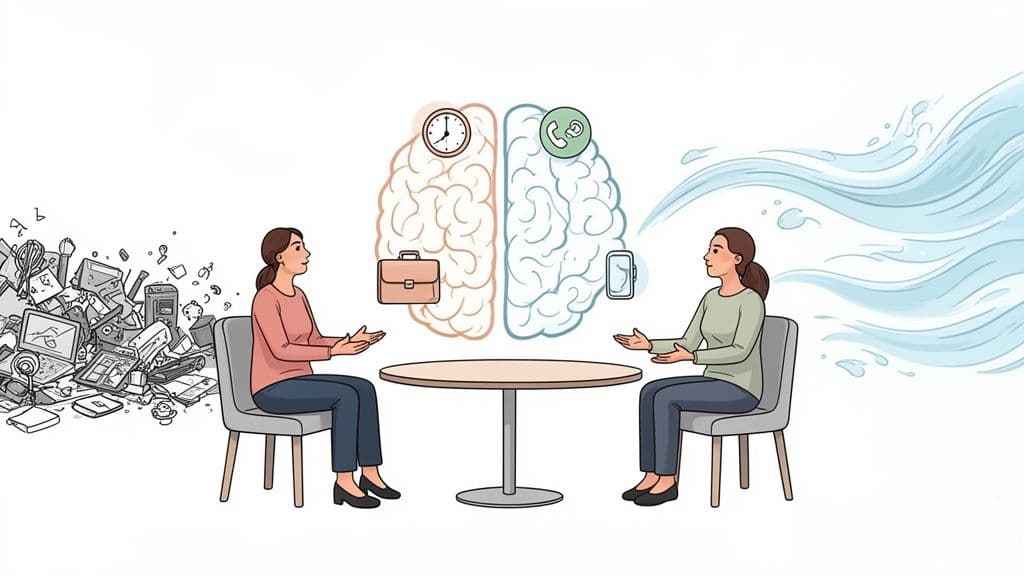
Think of a stress management coach as a personal trainer for your mind. Instead of a generic plan, a coach learns what triggers your stress, helps you untangle thought patterns that keep you stuck, and builds a toolkit of practical responses that fit your life.
This isn’t about quick fixes. It’s a partnership focused on lasting change, giving you actionable strategies to handle pressure with more calm and confidence.
At a Glance
| Aspect | Description |
|---|---|
| What It Is | A personalized, one-on-one partnership to identify stress sources and build practical coping skills. |
| Primary Goal | Equip you with tools and strategies for long-term resilience, not just temporary relief. |
| Focus | Action-oriented, centered on building new habits and mindsets. |
| Who It's For | Professionals, leaders, entrepreneurs, or anyone feeling consistently overwhelmed and reactive. |
| Key Difference | Unlike therapy, which often explores the past, coaching focuses on present skills and future goals. |
Who Benefits Most?
You might find stress management coaching especially valuable if you’re:
- A high-achieving professional noticing signs of burnout.
- Navigating a major life transition like a career pivot or a move.
- A leader or entrepreneur juggling heavy responsibility and struggling with balance.
- Someone who’s constantly overwhelmed, on edge, or can’t switch off and get real rest.
Demand for coaching has grown in recent years as more people seek practical mental health tools and life-design support2.
Stress management coaching differs from venting to a friend or traditional therapy. Therapy heals past wounds and treats clinical conditions. Coaching focuses on the future and on taking concrete action now.
Core Techniques Coaches Use to Reduce Stress
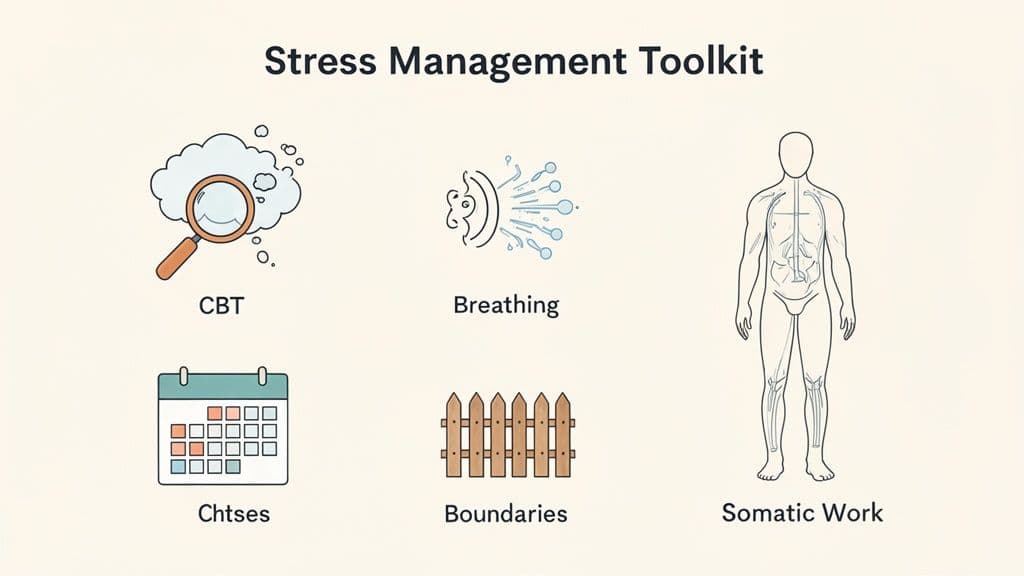
A great coach doesn’t hand you a one-size-fits-all manual. They bring a toolkit of proven methods and find the right tools for your situation. These practical strategies change how you experience daily pressure.
Reframing Thoughts with CBT-Informed Methods
Much stress starts between the ears. Many coaches use techniques inspired by Cognitive Behavioral Therapy, which links thoughts, feelings, and actions. When you change one, the others follow.
A coach helps you become a detective of your own thought patterns. You learn to spot and challenge automatic negative thoughts that fuel anxiety. Turning “I’m going to bomb this presentation” into “I’ve prepared and I can handle this” changes how your body reacts. It’s not toxic positivity; it’s building an accurate, empowering inner dialogue.
Grounding with Mindfulness and Somatic Practices
While your mind spins stories, your body keeps score. Getting out of your head and into your body is essential. Mindfulness and somatic (body-based) techniques help calm the nervous system.
Simple breathing exercises, like box breathing or the 4-7-8 method, can calm you in minutes; breathing control helps quell stress responses3. For more, see our guide on how to practice mindfulness.
Building Resilience Through Time and Boundary Management
Stress often comes from feeling out of control. Coaches help you build practical skills to reclaim your time and energy.
You’ll work on:
- Auditing your time to see where hours actually go.
- Setting firm boundaries and learning to say no with confidence.
- Prioritizing what truly matters so you focus effort for maximum impact.
What to Expect on Your Coaching Journey
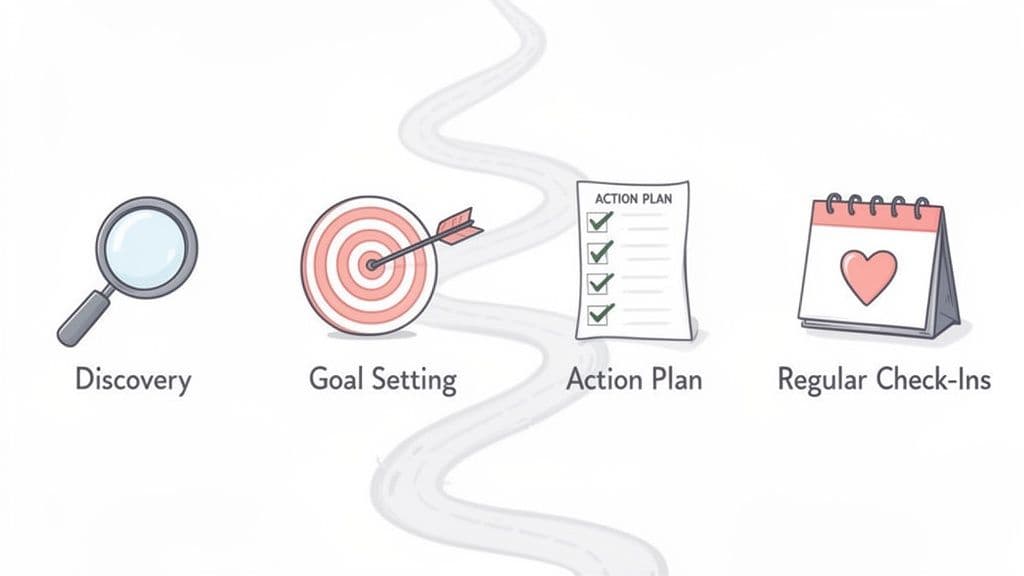
Starting with a stress management coach is a collaborative process built on trust and conversation. Think of it as a four-stage journey you and your coach navigate together.
1. Initial Discovery Session
Everything starts with a discovery session. This first meeting is about understanding your world—your stressors, lifestyle, job demands, and what you hope to change. It’s a focused, judgment-free space to map out your current reality.
2. Setting Meaningful, Measurable Goals
After discovery comes clear goal-setting. “I want to be less stressed” is a start, but we sharpen wishes into measurable targets, like “I will log off from work apps by 6 p.m. on weekdays” or “I will block 15 minutes each evening for a screen-free activity.” These become clear destinations you can work toward.
3. Creating Your Action Plan
With goals set, you build an action plan. Break each goal into small, manageable steps you can implement immediately. If your aim is better boundaries, your first step might be drafting a few firm, polite phrases to use at work. The plan stays flexible and adapts as you progress.
4. Regular Check-Ins and Adjustments
Coaching is an ongoing cycle of doing, reviewing, and tweaking. Regular check-ins—weekly or bi-weekly—are where you celebrate wins, troubleshoot what didn’t work, and pivot as needed. This ongoing support ensures your plan evolves with you.
Connecting Stress Management to Your Life Purpose
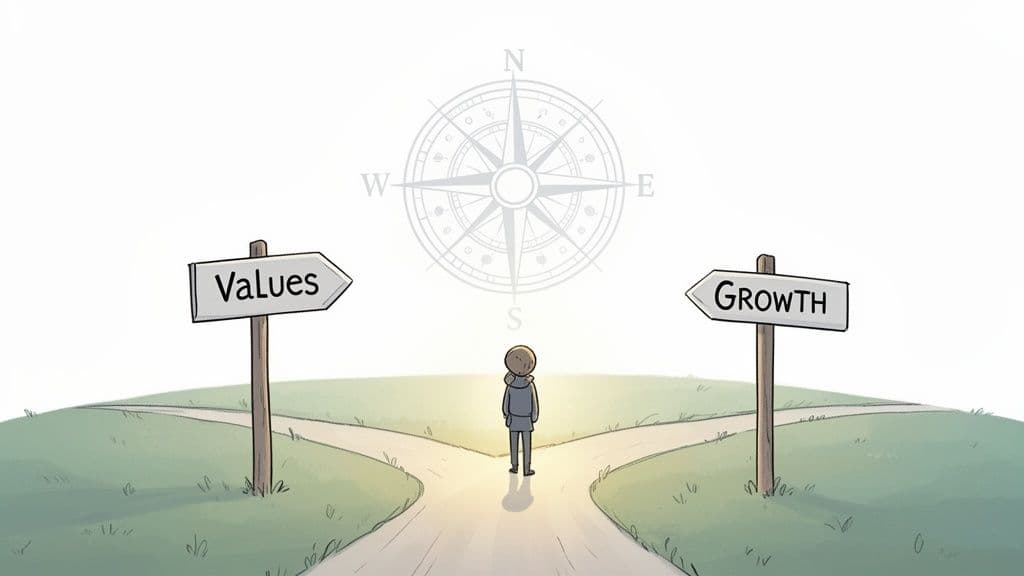
Coping strategies help you through rough weeks, but lasting relief comes from building a life that feels like yours. Chronic stress often stems from misalignment—being busy with the wrong things. Stress coaching helps you see that friction and begin to smooth it out.
Understanding Your Unique Life Path
Some coaches use life-path frameworks to clarify strengths and challenges. The Life Purpose App brings Dan Millman’s system into an app so you can explore which of 45 life paths may match your gifts and struggles. If your role requires constant competition but your path emphasizes nurturing, that mismatch can explain persistent stress.
These insights don’t demand immediate life changes, but they give you a compass for more aligned choices. Learn more in our guide to finding your life purpose.
“When your daily activities conflict with your core values, it generates persistent stress. Aligning actions with your life path is a powerful form of stress management.”
Integrating Life Path Insights Into Coaching
A skilled coach can weave life-path insights into a practical stress-management plan. For example:
- Seeing stressors as opportunities to use your strengths.
- Setting goals that energize you rather than drain you.
- Honoring personal cycles so you can slow down during rest periods without guilt.
How to Find the Right Stress Management Coach for You
Finding the right coach matters—the relationship drives results. Credentials matter; a certification from the International Coaching Federation indicates commitment to professional standards4. But fit matters most: you need someone whose approach feels right.
Vet Your Potential Coach
Start with a free consultation or discovery call and treat it like an interview. Ask about their coaching philosophy, techniques, track record, and how they handle professional boundaries. A good coach welcomes your questions and is transparent about their process.
Key Questions to Ask a Potential Coach
| Question Category | Sample Questions to Ask |
|---|---|
| Coaching Style & Philosophy | “Can you walk me through your coaching philosophy? What techniques do you use?” |
| Experience & Track Record | “What results have clients seen with stress like mine?” |
| The Coaching Process | “What does a typical session look like? How do you track progress?” |
| Professional Boundaries | “How does coaching differ from therapy? When would you refer someone to a therapist?” |
Pay attention to clarity, confidence, and alignment with your goals.
Spotting Red Flags
Be wary of anyone who guarantees instant results or promises a secret formula. Avoid high-pressure sales tactics or rigid methods that dismiss your concerns. A great coach makes you feel seen, heard, and empowered from the first conversation.
Common Questions About Stress Management Coaching
What Is the Difference Between Stress Management Coaching and Therapy?
Therapy often explores the past to heal wounds and treat clinical conditions. Coaching looks forward, focusing on practical skills and strategies to improve your daily life and reach future goals.
How Long Does Coaching Take and What Does It Cost?
Coaching timelines vary, but many people notice meaningful change within a few months of regular sessions5. Costs vary widely based on experience and format; many coaches offer a free consultation to discuss programs and pricing.
What Results Can I Expect?
Clients commonly report greater calm, better sleep, improved relationships, stronger focus, and clearer alignment with values. The goal is not to eliminate stress but to change your relationship with it so it no longer runs your life.
Frequently Asked Questions
Q: Who benefits most from stress management coaching?
A: Professionals facing burnout, people in major transitions, leaders and entrepreneurs with heavy responsibilities, and anyone who feels chronically overwhelmed.
Q: How quickly will I notice a difference?
A: Many clients notice immediate improvements with practical tools like breathing techniques, and deeper, sustainable change often appears within 3–6 months of committed work.
Q: What should I ask during a discovery call?
A: Ask about the coach’s approach, experience with similar issues, typical session structure, progress tracking, and boundaries between coaching and therapy.
Quick Q&A — Practical Answers to Common Concerns
Q: Can coaching help when stress feels constant?
A: Yes. Coaching focuses on daily habits, boundaries, and mindset shifts that reduce constant reactivity and help you regain control.
Q: Will coaching replace therapy if I have deeper issues?
A: Not always. Coaches will refer you to a therapist when issues require clinical treatment. Coaching and therapy can complement each other.
Q: How do I know coaching will be worth the time?
A: Look for measurable goals, a clear action plan, and regular progress reviews. A transparent coach will outline how they track results.
Three Concise Q&A Sections
Q: What practical tools will a coach give me?
A: Breathwork, CBT-informed reframing, time audits, boundary scripts, and somatic grounding techniques you can use daily.
Q: How will I see progress?
A: Through measurable goals (for example, log-off times or sleep improvements), weekly reviews, and adjustments tied to concrete behaviors.
Q: When should I choose coaching over therapy?
A: Choose coaching when you want future-focused, action-oriented support for daily stress and performance. If you have trauma or clinical symptoms, seek therapy or a clinician recommendation from a coach.
Discover Your Life Purpose Today!
Unlock your true potential and find your life’s purpose.
