Unlock your potential with practical Energy Codes breathwork, posture anchors, and clear integration steps that help you release stuck energy, lower stress, and move toward your life purpose.

March 28, 2026 (7mo ago) — last updated August 24, 2026 (3mo ago)
Energy Codes Breathwork Guide
Practical Energy Codes breathwork, posture anchors, and integration techniques to clear stuck energy, reduce stress, and align with purpose.
← Back to blog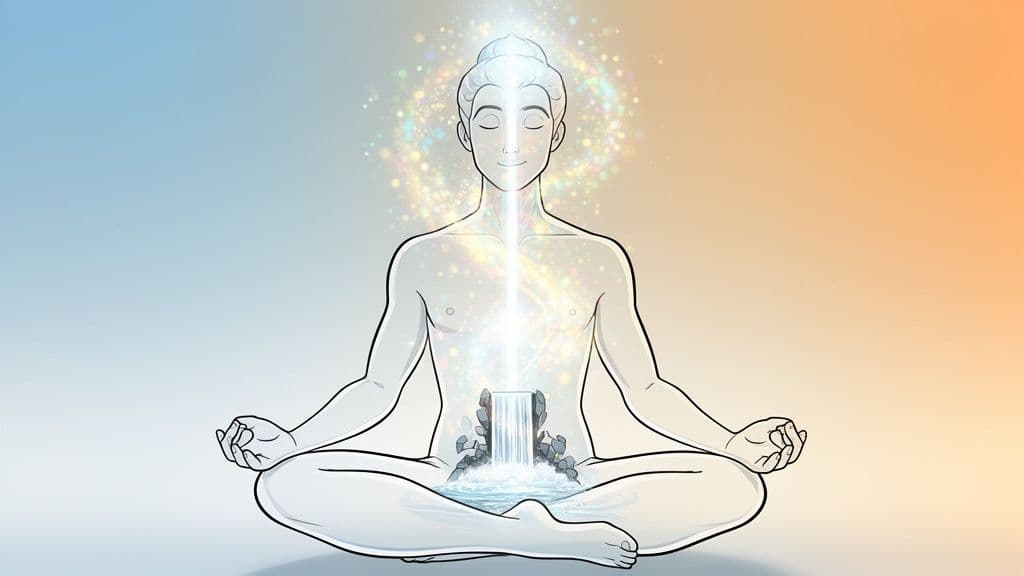
Unlock your potential with practical Energy Codes breathwork, posture anchors, and clear integration steps that help you release stuck energy, lower stress, and move toward your life purpose.
Energy Codes Breathwork Guide
Unlock your potential with practical Energy Codes breathwork, posture anchors, and integration techniques that clear stuck energy, reduce stress, and help you step into your life purpose.
Why this practice helps
Energy Codes breathwork combines conscious breathing with simple posture anchors to shift the nervous system and move stuck energy. Regular practice can reduce stress, improve focus, and create clarity about life direction. Studies show brief diaphragmatic breathing can lower negative affect and perceived stress, supporting the benefits many people report from breathwork programs1. Deep, rhythmic breathing also supports vagal tone and heart rate variability, markers associated with better stress resilience and emotional regulation2.
Quick practice: 8–8 breath with posture anchors (10 minutes)
- Find a comfortable seat or lie on your back with a small pillow under your knees. Relax your shoulders and soften your jaw.
- Anchor your posture: sit or lie with a gently lifted chest and a soft, supported spine. Imagine length from your tailbone to the crown of your head.
- Begin the 8–8 breath: inhale for a slow count of eight, feeling the belly and lower ribs expand; exhale for a slow count of eight, allowing release without forcing.
- Repeat for 6–10 cycles, maintaining the posture anchor. If eight counts feel long, start with 4–4 and build up.
- Finish with three natural breaths and place a hand over your heart to integrate the shift.
This combination of breath timing and posture helps move energy and creates a felt sense of presence. Upright, open posture supports positive affect and energy, helping the body register the change you’re creating with breath and attention3.
Posture anchors explained
- Chest lift: a gentle lift through the sternum invites openness without strain.
- Rooting: feel connection where you sit or stand to stabilize the nervous system.
- Hand placement: hands on the heart or belly provide sensory feedback and help anchor intention.
Use one anchor at a time. Anchors are cues for your nervous system; their purpose is to remind the body how it feels to be centered, grounded, and energised.
Integration: after the session
- Notice shifts in mood, tension, or clarity. Journal one word that describes the change.
- Move gently for a few minutes—walk, stretch, or sway—to distribute energetic shifts through the body.
- Set a small next step aligned with your life purpose, such as one action you can take today that reflects what you felt in practice.
Practice tips and safety
- Start slowly. If you feel lightheaded, return to normal breathing and rest.
- If you have cardiovascular, respiratory, or psychiatric conditions, consult a healthcare provider before trying extended breath holds or rapid breathing patterns.
- Consistency matters more than intensity. Short daily sessions build sustainable change.
Internal links
Explore related resources:
Frequently asked questions
What is Energy Codes breathwork and how quickly will I notice results?
Energy Codes breathwork is a practical blend of conscious breathing and posture anchors designed to shift stuck energy and reduce stress. Many people notice immediate changes in calm and clarity after a session; deeper shifts typically appear with regular practice.
How often should I practice to feel aligned with my life purpose?
Aim for brief daily sessions (5–15 minutes). Daily micro-practices help you notice patterns, build momentum, and translate felt shifts into aligned action.
Is breathwork safe for everyone?
Breathwork is safe for most people when done gently. If you have medical concerns—cardiac, respiratory, or mental health—check with a clinician before starting more intense practices.
1.
Christopher A. Brown, “A brief diaphragmatic breathing intervention improves depression, trait anxiety, negative affect, and attentional bias in young adults,” Journal of Behavioral Medicine, 2017. https://www.ncbi.nlm.nih.gov/pmc/articles/PMC5455070/
2.
Laura M. Nolan and Paul J. Lehrer, “Heart rate variability and breathing: a review of mechanisms and clinical applications,” Frontiers in Psychology, 2015. https://www.ncbi.nlm.nih.gov/pmc/articles/PMC5745814/
3.
Erin L. Riskind and Myriam Gotay, “Posture and mood: Upright posture improves energy and positive affect,” Journal of Bodywork and Movement Therapies, 2016. https://www.ncbi.nlm.nih.gov/pmc/articles/PMC5016833/
Discover your life path today
Enter your date of birth and see your life path, free.
Find your life path