Learn what a soul tie is, how it forms, and practical steps to heal so you can build healthier relationships and reclaim your emotional balance.
January 19, 2026 (5mo ago) — last updated May 1, 2026 (1mo ago)
What Is a Soul Tie? Signs, Origins & Healing
Discover what a soul tie is, signs to watch for, its origins, and practical steps to heal and build healthier relationships.
← Back to blog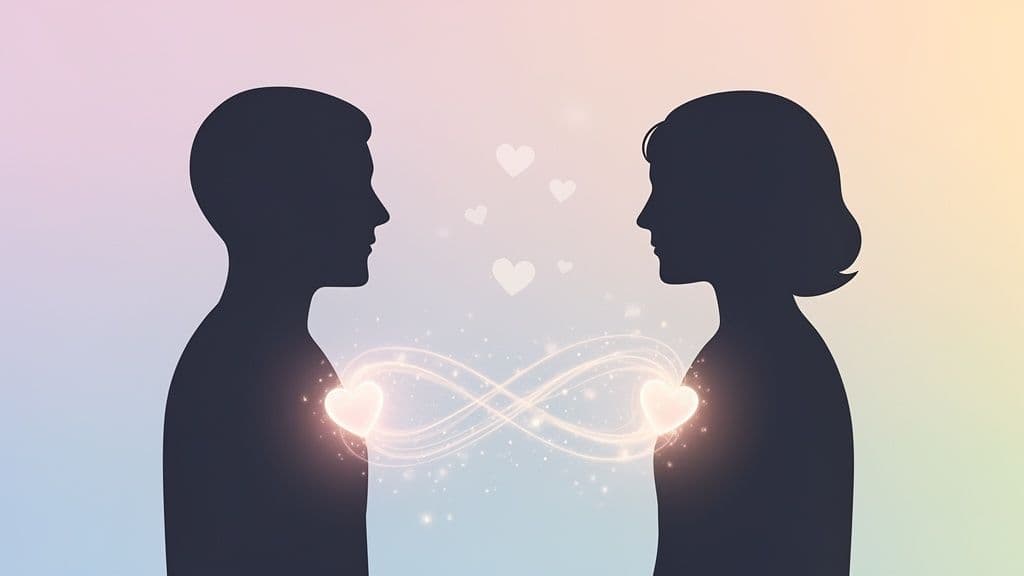
What Is a Soul Tie? Signs, Origins & Healing
Learn what a soul tie is, how it forms, and practical steps to heal so you can build healthier relationships and reclaim your emotional balance.
Have you ever met someone and felt an instant pull that defies reason? That sudden familiarity and magnetic draw can be a sign of a soul tie — a deep spiritual and emotional bond that can shape your thoughts, feelings, and life direction long after the relationship changes or ends.
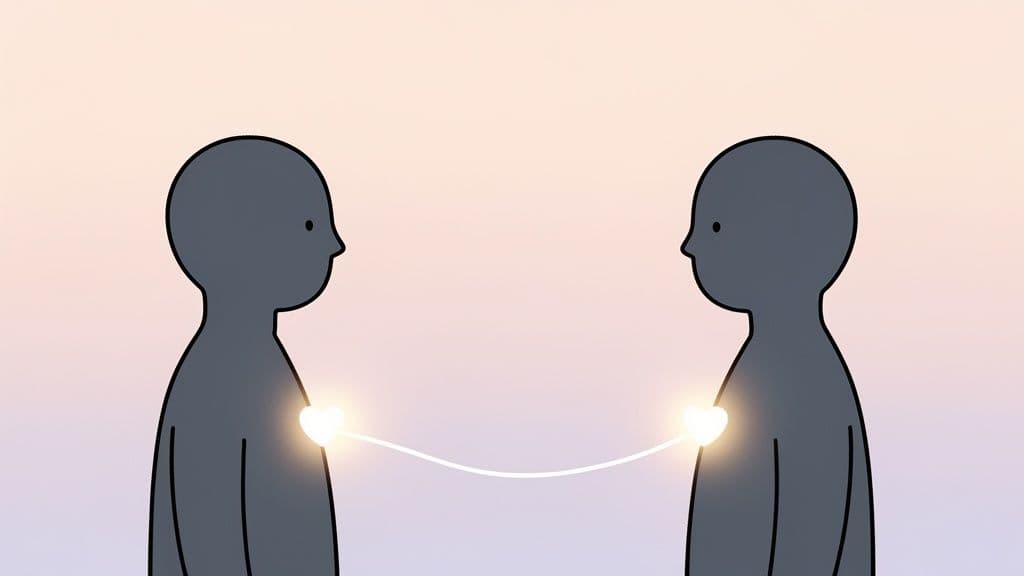
Think of a soul tie as an invisible thread linking your essence to another’s. It can form through intense emotional experiences, close friendships, family relationships, or intimate partnerships. While these connections can lift you up, they can also become confusing or draining when they’re unhealthy.
The invisible threads that connect us
A soul tie isn’t just a fleeting crush. It’s a persistent sense of being intertwined with someone on a fundamental level. You might think about them constantly or feel their emotions from miles away.
Interest in the term has grown online in recent years, with search interest rising across platforms and conversations about emotional bonds becoming more common1. Coverage and surveys also show that many people report lingering emotional ties to former partners and close relationships2.
“A soul tie is the feeling that a part of your own soul is intertwined with another’s, making their happiness feel like your victory and their sorrow feel like your own personal storm.”
Key aspects of a soul tie
| Core aspect | What it feels like |
|---|---|
| Deep empathy | You feel their emotions—happiness, sadness, or anxiety—almost as if they are your own. |
| Constant presence | They’re on your mind even when you’re apart. |
| Instant familiarity | A sense of knowing them before you met. |
| Magnetic pull | An undeniable attraction that defies explanation. |
The ancient roots of soul connections
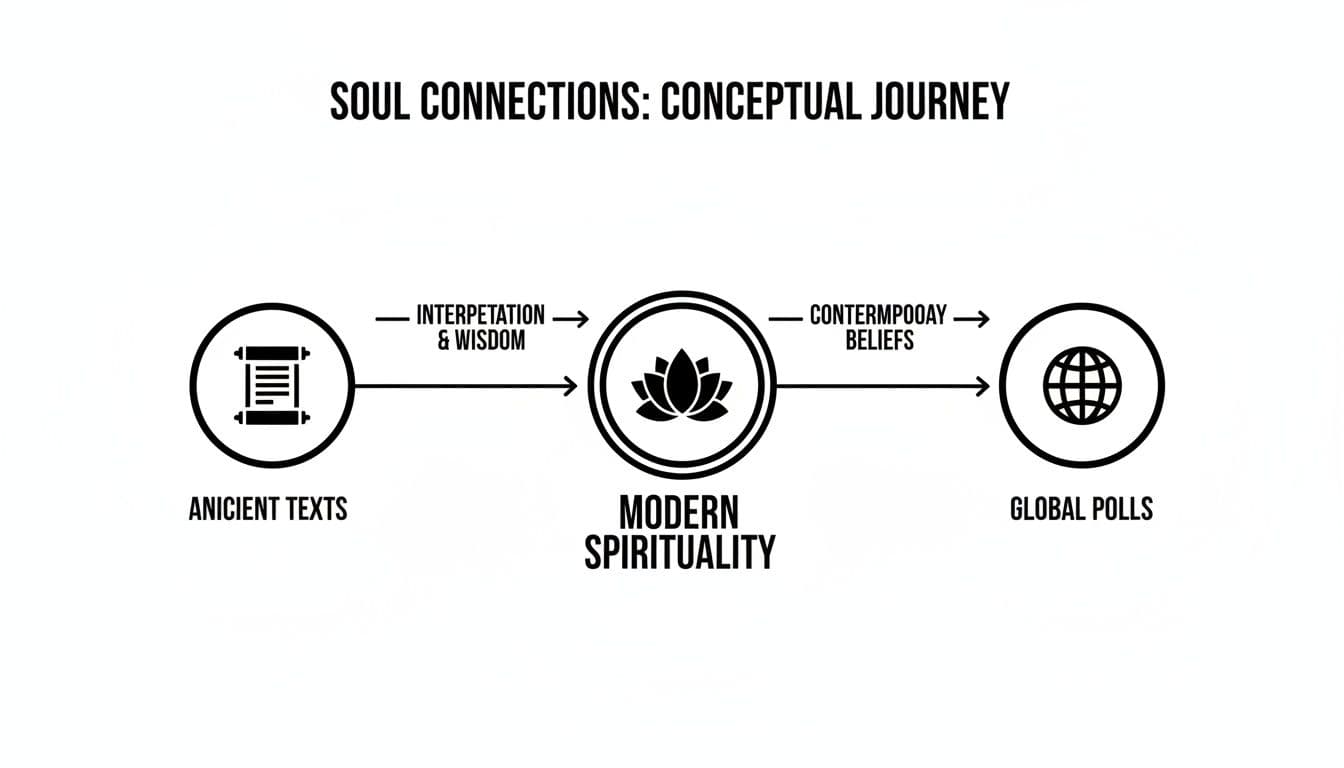
The idea of soul links appears across cultures and spiritual traditions. Thinkers and mystics have long described soul connections forged through vulnerability, shared hardship, or spiritual resonance. Kabbalistic writings and other mystical texts describe deep soul connections rooted in shared experience and vulnerability.
The concept resurfaced during New Age movements of the late 20th century and remains a theme in spiritual and self-help literature, reflecting broader interest in personal growth and relational meaning3.
“A soul tie isn’t just about who you love. It’s about who you recognize on a soul level—the friend who feels like a long-lost sibling, or the family member whose journey feels intrinsically linked to your own destiny.”
These bonds show up in romance, friendship, and family life. Polls of spiritual seekers indicate many people report deep empathic bonds outside of romantic partnerships4.
How to recognize the signs of a soul tie
Distinguishing a soul tie from an intense crush comes down to depth and persistence. Common signs include:
- Instant, startling familiarity the first time you meet
- Repeated, intrusive thoughts about the person
- Feeling their emotions as if they were your own
- A sense of incompleteness when apart
These signs can indicate a powerful, reciprocal bond or a one-sided energetic attachment. Notice whether the connection elevates your life or drains it.
Emotional and psychological indicators
A soul tie can border on emotional symbiosis, where your feelings and theirs are tightly linked. That’s different from healthy empathy. If someone’s mood consistently dictates yours, or you feel you’ve lost your emotional center, the bond may be unhealthy. Attachment patterns (secure, anxious, avoidant) can clarify these dynamics and explain why some ties feel so intense5.
With a soul tie, separation doesn’t just feel like distance; it can feel like a disconnect from a part of yourself.
Healthy vs. unhealthy soul tie
| Sign | Healthy (supportive) | Unhealthy (draining) |
|---|---|---|
| Energy exchange | You feel energized after time together. | You feel depleted or emotionally exhausted. |
| Emotional state | You share feelings while keeping your center. | Their mood dictates your own. |
| Personal growth | The tie encourages growth. | You feel stuck or sidelined. |
| Sense of self | Your identity is strengthened. | You lose sight of your individuality. |
| Thought patterns | You can focus on your life and tasks. | Obsessive thoughts disrupt daily life. |
A healthy soul tie supports your journey. If you’re consistently on the draining side, reassessing the relationship is important.
Gaining clarity through your life path
Stepping outside the emotional swirl and viewing the relationship through a structured lens can help. Tools inspired by life-path systems—like Dan Millman’s The Life You Were Born to Live—use birth-date numerology to describe personal strengths and challenges. Comparing two people’s life paths can reveal why a connection feels magnetic or challenging.
Understanding these dynamics can turn confusion into clarity and reveal the deeper purpose of the bond. The Life Purpose App maps how life purposes interact to show likely areas of harmony and friction.
How to heal from a difficult soul tie
Not every deep connection should last. When a bond becomes draining or codependent, healing is an act of self-care. The goal isn’t a violent cut, but a gentle reclaiming of your energy. Start by acknowledging the tie and its effects without judgment.
Gentle steps to reclaim your energy
Visualization is a powerful technique: imagine the energetic cord connecting you dissolving or transforming into light, with your energy returning to you. Other practical steps include:
- Acknowledge the bond and state an intention to release what’s unhealthy
- Prioritize self-care and nourishing activities
- Create physical and digital space when possible (limit contact, unfollow on social media)
- Journal to process complicated emotions
If you want structured strategies, see resources on healing after heartbreak and how to set healthy boundaries.
The most important part of healing is remembering you’re not broken. You’re reclaiming parts of yourself so you can move forward whole.
When to seek professional guidance
Seek professional help if thoughts of the person dominate your life, if anxiety or depression interfere with daily functioning, or if trauma or codependency are present. A licensed therapist, counselor, or spiritual coach can offer perspective and tools to identify root causes and heal underlying patterns. Professional help can teach skills to form healthier relationships and maintain emotional independence6.
Reaching out for help isn’t failure; it’s a brave step toward finding yourself again.
A few lingering questions about soul ties
Can you have a soul tie with someone you’ve never met?
Usually a mutual soul tie grows from shared experience. Still, many people report deep resonance with public figures, authors, or historical people they’ve never met. That’s often described as soul recognition—an alignment with someone’s energy or life work that sparks growth.
Are soul ties and twin flames the same thing?
They overlap, but they’re not identical. A soul tie is any significant spiritual bond. A twin flame is a specific, rare, often turbulent type of soul tie believed to be the other half of your soul.
Does breaking a soul tie mean cutting off all contact?
Not necessarily. The core work is reclaiming emotional and energetic independence. No-contact may be necessary in toxic situations, but often healing means setting boundaries and changing how you relate to the person rather than erasing them from your life.
Quick Q&A: Common questions about soul ties
Q: How do I know if I’m in a soul tie or just infatuated?
A: Soul ties feel persistent, deep, and often include emotional resonance or a sense of recognition. Infatuation is usually more surface-level and fades faster.
Q: What’s the first step to break an unhealthy soul tie?
A: Acknowledge the bond and set clear boundaries. Begin with small steps like reducing contact and practicing daily self-care.
Q: When should I seek therapy for a soul tie?
A: If thoughts of the person disrupt work, family, or mental health, or if you suspect trauma or codependency, seek professional help.
1.
Google Trends data for “soul tie” (interest over time, 2020–2023). https://trends.google.com/trends/explore?q=%22soul%20tie%22
2.
Coverage and survey summaries on long-term emotional ties to ex-partners (example resource). https://www.psypost.org/
3.
Publishing and cultural interest in New Age/spirituality books and trends (context for late-20th-century growth). https://www.publishersweekly.com/
4.
Polls and articles exploring spiritual seekers’ experiences with deep non-romantic bonds (example resource). https://www.mindvalley.com/blog/
5.
Overview of attachment styles and how they shape relationships. https://www.verywellmind.com/attachment-styles-5206450
6.
When to seek professional help for relationship and mental health concerns. https://www.apa.org/topics/relationships
Discover Your Life Purpose Today!
Unlock your true potential and find your life’s purpose.
