Feeling drained? Discover the 8 key energy vampires symptoms, from negativity to boundary issues. Reclaim your emotional wellbeing.
April 19, 2026 (5mo ago) — last updated June 20, 2026 (3mo ago)
8 Energy Vampires Symptoms To Spot
Feeling drained? Discover the 8 key energy vampires symptoms, from negativity to boundary issues. Reclaim your emotional wellbeing.
← Back to blog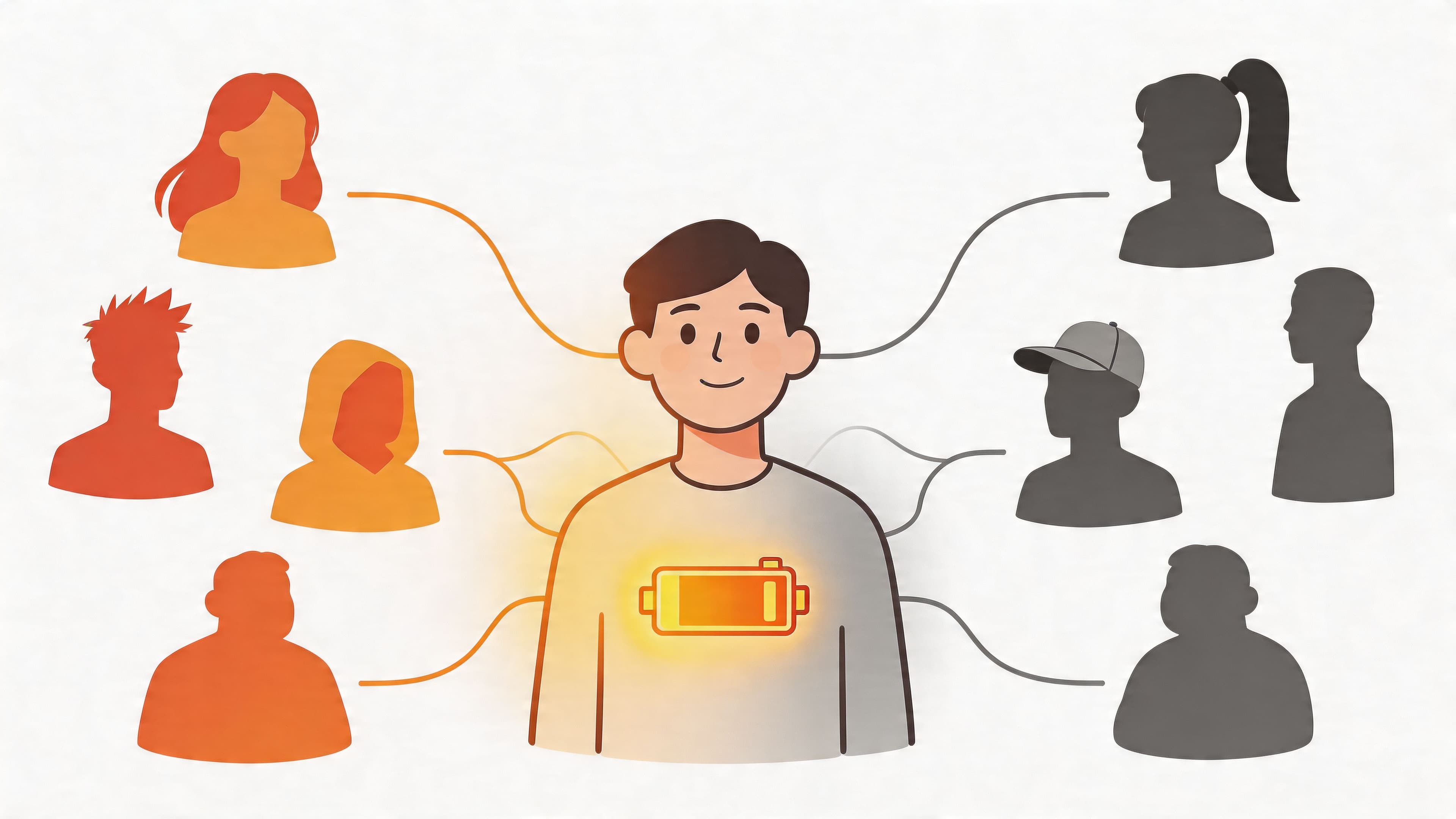
You hang up the phone or walk away from a conversation feeling oddly flattened. Ten minutes ago, you were fine. Now you’re foggy, irritated, tired, or doubting yourself. That kind of shift matters.
Many people use the phrase energy vampire for someone whose interaction style leaves others emotionally depleted. Cleveland Clinic describes common signs such as talking mostly about themselves, acting like the perpetual victim, demanding attention, using guilt, and rarely showing care for others in return, all of which can leave the other person drained in social settings (Cleveland Clinic on energy vampires). PsychCentral similarly notes that after these encounters, people often feel overstimulated, annoyed, fatigued, or stressed.
This isn’t about turning every difficult person into a villain. It’s about noticing patterns. Some people drain others intentionally. Some do it unconsciously. One important blind spot, especially for helpers and empaths, is that a person can be caring and still become draining through neediness, overdependence, or lack of self-awareness. Dr. Christiane Northrup’s discussion of this gap points out that many people who drain others don’t realize they’re doing it (Dr. Northrup on empath protection and self-awareness).
In coaching work, I’ve found this distinction useful. When you stop asking, “Is this person bad?” and start asking, “What happens to my nervous system after contact with them?” you get clearer answers. If you also want to understand the science of stress and burnout, that framework helps explain why repeated draining interactions can hit so hard.
These energy vampires symptoms often point to deeper misalignment. A person may be disconnected from purpose, agency, or healthy reciprocity. That’s where spiritual self-study can help. Dan Millman’s book The Life You Were Born to Live and the Life Purpose App give people a constructive language for gifts, challenges, and relationship patterns, so the goal isn’t just protection. It’s wiser connection.
1. Constant Negativity and Complaint Cycling
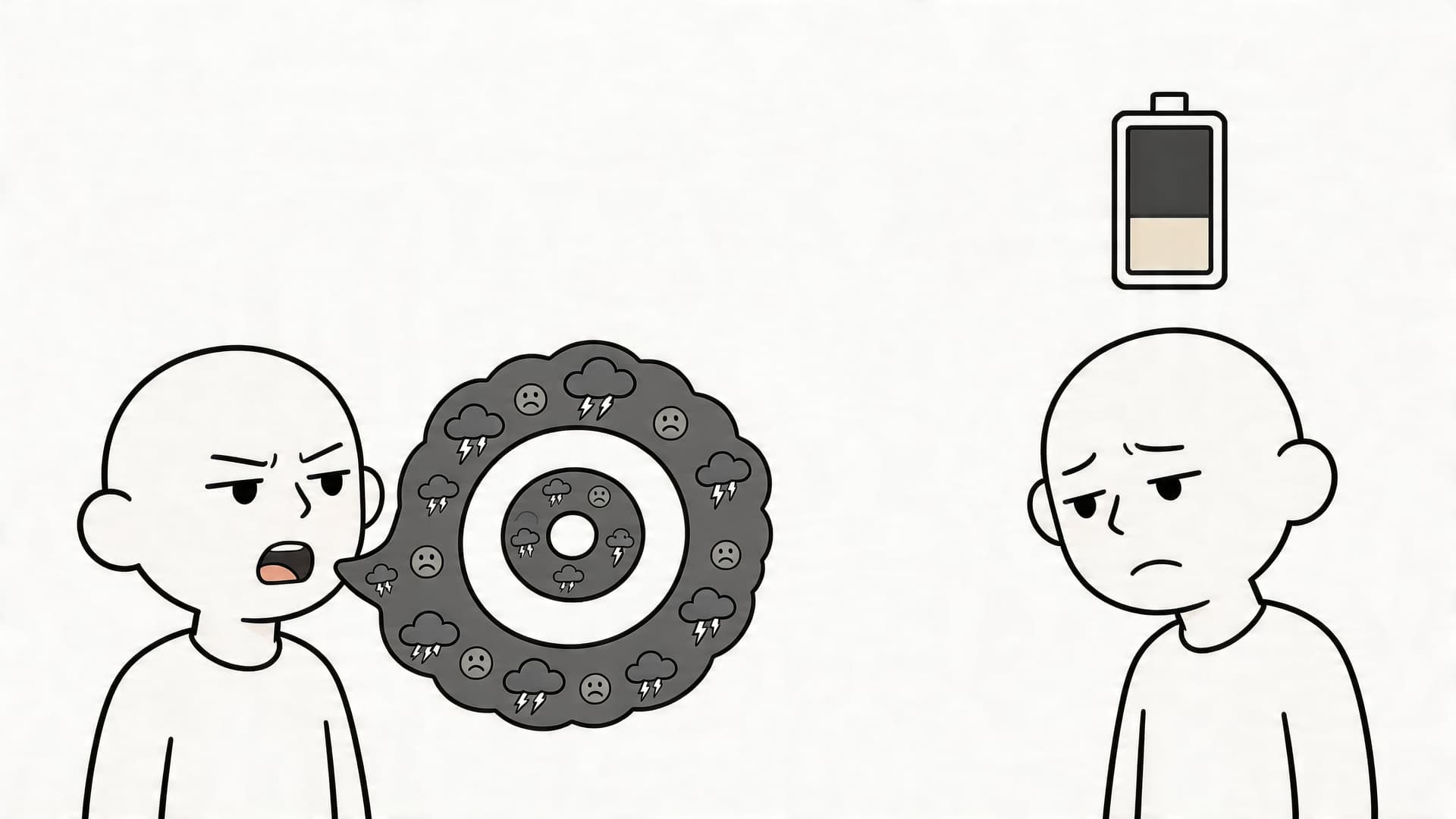
Some people don’t just have a hard season. They build a home inside complaint.
You hear it in the repetition. The coworker who opens every chat with what’s wrong at work. The friend who catalogs every health frustration but won’t explore support, rest, or treatment. The relative who replays old disappointments so often that every conversation feels preloaded with heaviness.
What this looks like in real life
Complaint cycling has a rhythm. You offer empathy first. Then you offer a practical next step. They dismiss it. You try a different angle. They dismiss that too. By the end, you’re carrying emotional weight that doesn’t lead anywhere.
Healthline describes a similar pattern in people who diminish others’ problems while amplifying their own and redirect the conversation back to themselves, such as shifting from your issue to theirs without reciprocity. That’s one reason this is one of the clearest energy vampires symptoms. The issue isn’t that they’re struggling. It’s that the struggle becomes the entire relationship.
Practical rule: Listen for a while, but don’t become a recycling bin for unresolved negativity.
In life purpose work, I often see this as misdirected energy. A person may have real gifts, but they’re so fused with their challenge that they identify with the wound instead of the lesson. Dan Millman’s The Life You Were Born to Live and the Life Purpose App can help people name that pattern in a more constructive way. If they’re open, that’s far more useful than arguing with their worldview.
What works and what doesn’t
A few responses help without enabling the cycle:
- Redirect to agency: Ask, “What do you want to do next?” instead of “What else happened?”
- Limit the loop: Give the conversation a time boundary when you know someone spirals.
- Stay out of forced optimism: Don’t paste affirmations over chronic negativity. It usually backfires.
- Protect your space: If you need support after these interactions, there are practices to help you reset.
What doesn’t work is overfunctioning. If you keep trying to solve a problem they’re committed to narrating, you’ll leave tired and they’ll stay stuck.
2. Boundary Violation and Privacy Intrusion
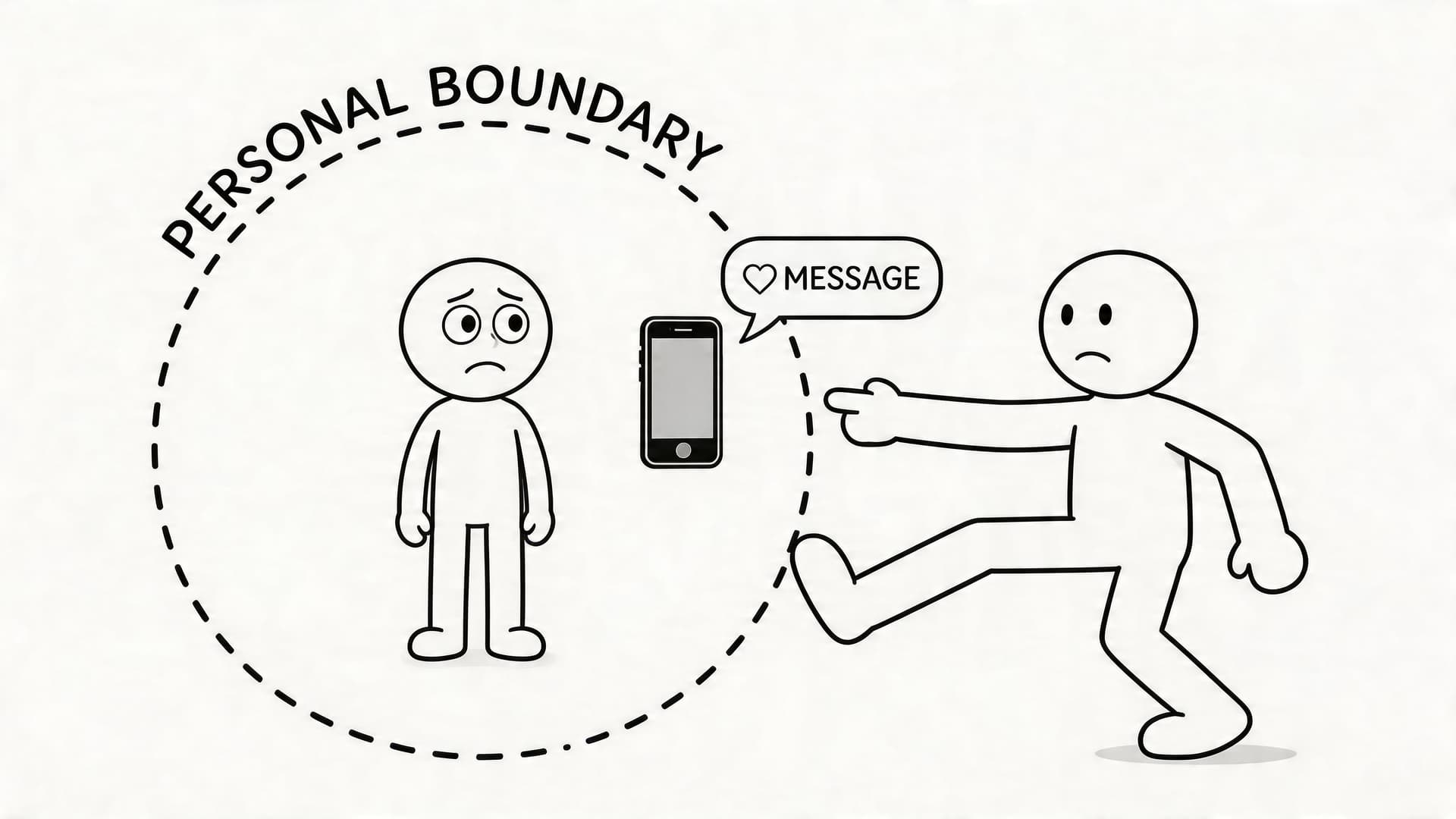
Not every draining person is loud. Some are invasive.
They read the room poorly, or they don’t care to read it at all. They push for details you didn’t offer. They retell your private business. They keep messaging after you’ve said you’re unavailable. They “drop by” your desk or your home as if access to you is automatic.
Why boundary crossing is so depleting
Boundary violators don’t just take time. They take sovereignty.
Happiness.com describes the emotional aftermath of these interactions as a kind of exhaustion that can feel like running a marathon, often followed by an urge to avoid the person as a protective response. That avoidance isn’t always immaturity. Sometimes it’s your system recognizing that your limits weren’t respected.
A parent who reads an adult child’s messages. A friend who shares your relationship struggles with mutual acquaintances. A colleague who keeps interrupting your focus block after you’ve clearly said you need uninterrupted time. These aren’t quirks. They are signals.
The trade-off nobody likes
If you’re a caring person, setting boundaries can feel harsh at first. It may disappoint people who are used to access. But unclear boundaries create chronic resentment, and resentment poisons relationships faster than a clean no ever will.
Try this instead:
- State the line directly: ‘I’m not discussing that.’
- Repeat once: Don’t keep defending your boundary.
- Add consequence when needed: ‘If this keeps coming up, I’m ending the conversation.’
- Build skills, not speeches: Learn practical ways to set clear boundaries.
Boundaries don’t punish connection. They make real connection possible.
Dan Millman’s The Life You Were Born to Live and the Life Purpose App are useful here because not everyone has the same relational lessons. Some people need to soften. Others need to stop overgiving. Knowing which pattern is yours helps you stop calling self-betrayal ‘kindness.’
3. Victim Mentality and Blame Displacement
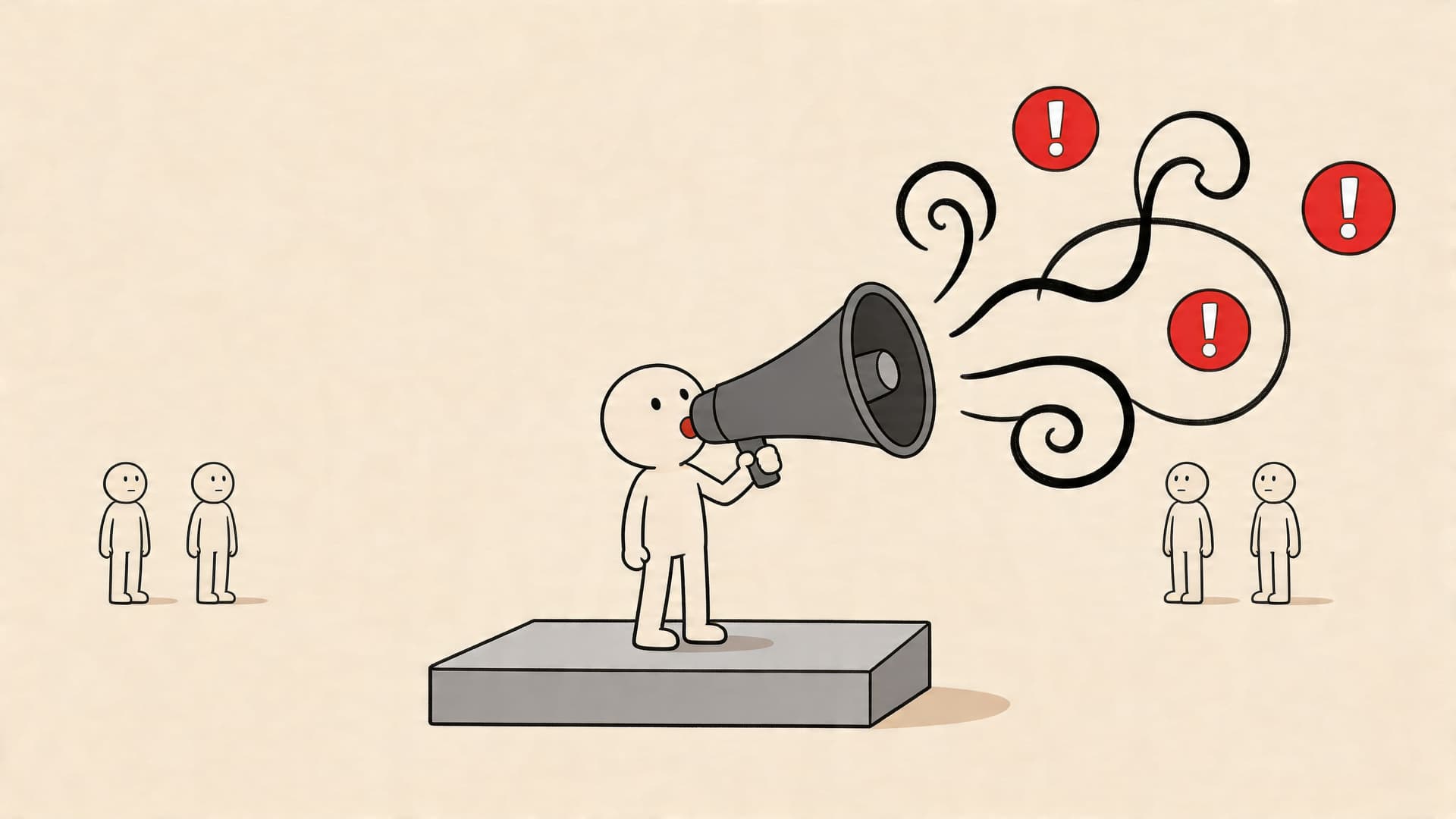
One of the most exhausting dynamics is the person who is never wrong, never responsible, and never available for self-reflection.
Cleveland Clinic identifies ‘feeling like the perpetual victim’ as a key sign of this pattern. Healthline also notes that these individuals often avoid accountability by pinning blame elsewhere and positioning themselves as martyrs in need of support without reciprocity. You can hear it in the language. Their boss ruined their career. Their ex caused every relationship problem. Their family ‘made’ them act this way. Their health, finances, or work life are entirely someone else’s fault.
The hidden demand inside the victim story
The victim stance often recruits you into a role. You’re supposed to rescue, reassure, validate, and keep validating. If you gently point toward agency, they may act as if you’ve betrayed them.
This is one of the classic energy vampires symptoms because it traps both people. They stay powerless. You get tired trying to hand power back to someone who refuses to hold it.
Here are common examples:
- Career blame: They say every employer overlooked them, but won’t build skills or change habits.
- Relationship blame: They describe every former partner as defective, with no interest in their own pattern.
- Circumstance blame: They act as if nothing can shift, even at the level of one small decision.
How to respond without becoming the rescuer
I don’t recommend arguing with their story point by point. That usually turns into emotional quicksand.
Instead:
- Ask agency-based questions: ‘What part of this is yours to address?’
- Stay concrete: Small actions beat abstract encouragement.
- Refuse the rescue contract: Care about them without carrying them.
- Support empowered reflection: Resources to reclaim your power can be more effective than another pep talk.
In Dan Millman’s The Life You Were Born to Live and the Life Purpose App, life-path work can help people reframe challenge as curriculum rather than punishment. That shift matters. The moment someone sees a difficulty as part of growth instead of proof of doom, the energy in the relationship changes.
4. Drama Creation and Crisis Manufacturing
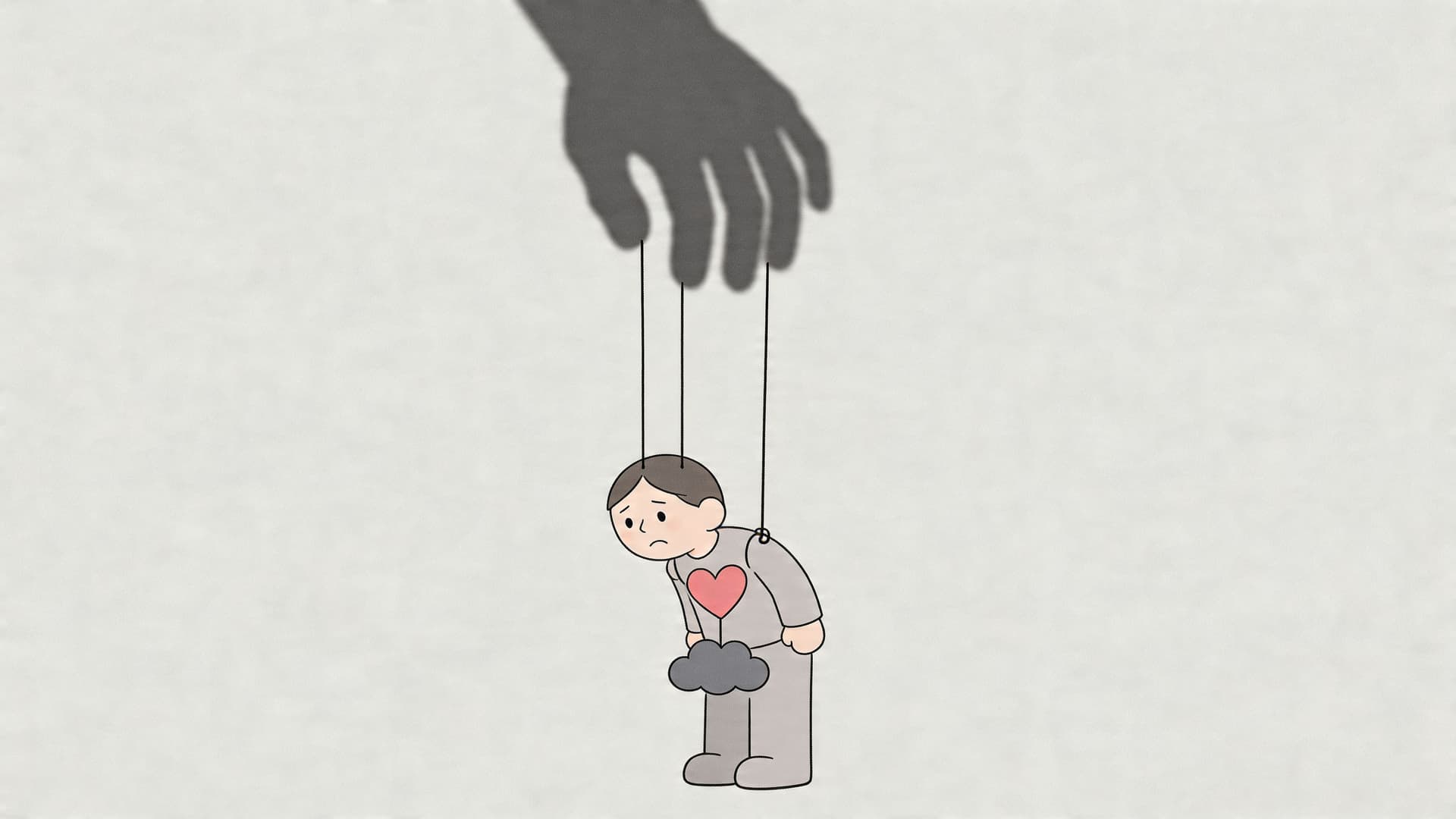
Some people can’t seem to let life be ordinary. If there isn’t a crisis, one appears.
A missed text becomes a friendship emergency. A routine work issue becomes a full-scale meltdown. A partner asking for space becomes proof of abandonment. The emotional volume is always high, and everyone around them gets pulled into emergency mode.
Why manufactured urgency drains everyone
PsychCentral notes that encounters with draining personalities can leave people feeling overstimulated, annoyed, fatigued, or stressed. Drama creators produce exactly that state. They keep your attention by keeping your nervous system activated.
This pattern can be conscious, but often it isn’t. At a deeper level, drama can be an upside-down attempt at connection. If someone only feels important when others are worried about them, they may keep recreating situations that guarantee concern.
Respond to emergencies. Don’t reward theatrical urgency.
You see it in families, workplaces, and dating alike. A family member suddenly has a crisis whenever attention shifts elsewhere. A coworker escalates minor setbacks into all-hands emergencies. A partner starts conflict every time intimacy deepens or independence appears.
What helps and what feeds it
A common mistake is matching the intensity. Once you join the panic, the pattern gets reinforced.
A steadier response works better:
- Verify the facts: Is this urgent?
- Respond proportionally: Not every upset deserves immediate mobilization.
- Name the underlying need: Sometimes what they want is reassurance, visibility, or comfort.
- Encourage healthier channels: Genuine support, counseling, spiritual direction, or purpose work can all help.
Dan Millman’s The Life You Were Born to Live and the Life Purpose App are useful when someone’s life force has gotten tangled with attention-seeking. If they can reconnect with real gifts and meaningful challenges, they’re less likely to create intensity just to feel alive.
5. Emotional Manipulation and Guilt-Inducing Tactics
Guilt can sound soft on the surface. In practice, it’s often one of the strongest control tools in a relationship.
Cleveland Clinic includes guilt among the common tactics draining people use. The message is rarely direct. It comes as sighing, sulking, martyrdom, or loaded statements that make you feel responsible for their mood, their loneliness, or their choices.
How guilt gets used
A parent implies you’ve abandoned the family because you didn’t answer quickly enough. A partner withdraws affection whenever you set a limit. A friend makes you feel selfish for keeping plans that matter to you. Someone in crisis insists that if you cared, you’d drop everything.
Here, compassion and obligation get confused. Compassion says, you care. Manipulation says, Prove it by overriding yourself.
CPTSD Foundation links this broader pattern of bullying, constant negativity, and excessive neediness to traits often associated with Cluster B presentations, including narcissism, with insecurity underneath the behavior. You don’t need a diagnosis to recognize the dynamic. You just need to notice how often guilt gets used instead of honest communication.
The practical line to hold
If guilt works on you, it will keep getting used.
Try these moves:
- Name your choice clearly: ‘I care about you, and I’m still not available tonight.’
- Don’t overexplain: Long explanations invite argument.
- Separate feeling from command: Their disappointment is real. It still doesn’t get to run your life.
- Watch your body: If you feel immediate pressure, panic, or a collapse in clarity, slow down before answering.
Care given under coercion doesn’t build intimacy. It builds resentment.
Dan Millman’s The Life You Were Born to Live and the Life Purpose App can help people sort out whether they’re living from service or from compulsion. That difference is huge. A purpose-aligned yes feels clean. A guilt-driven yes usually feels heavy before you’ve even spoken it.
6. Attention-Seeking and One-Upping Behavior
Some draining people don’t ask for center stage. They subtly claim it.
You share good news, and they immediately top it. You mention a hard week, and they present a harder one. You try to celebrate something meaningful, and the conversation swings back to their story, their pain, their brilliance, or their disappointment.
The conversational tell
Cleveland Clinic notes that one key sign is talking mostly about themselves and rarely showing care for others. That’s the essence of one-upping. Mutual exchange disappears. Every doorway leads back to them.
Healthline gives a familiar example of this dynamic. You bring up something difficult in your life, and they pivot with something like, ‘Your job is tough, but I need to talk about Mark.’ If you’ve lived with this pattern, you know how subtle and exhausting it can be.
Common versions include:
- Achievement one-up: You share a promotion, they talk about a bigger opportunity.
- Pain one-up: You mention stress or illness, they insist their situation is worse.
- Family one-up: A family milestone somehow becomes their emotional event.
- Workplace one-up: They minimize others’ effort while magnifying their own contribution.
What to do when every conversation gets hijacked
Don’t compete. Competing keeps the structure alive.
Instead:
- Share selectively: Protect meaningful news if someone routinely tramples it.
- Acknowledge briefly: You don’t need to chase every redirect.
- Return to the point when needed: ‘I want to finish what I was saying.’
- Address the pattern directly if the relationship matters: Calm, specific feedback works better than pent-up frustration.
In Dan Millman’s The Life You Were Born to Live and the Life Purpose App, many people find language for insecurity, identity, and misdirected gifts. When someone doesn’t know their value, they often perform for it. That doesn’t excuse the behavior, but it does explain why one-upmanship is usually more fragile than it looks.
7. Dependency and Learned Helplessness
This one fools a lot of generous people because it can look like love, loyalty, or support.
The person seems to need you for everything. Decisions. Emotional regulation. Technology. Money choices. Social planning. Basic follow-through. Over time, you stop feeling helpful and start feeling used up.
When support turns into overfunctioning
Dr. Northrup’s discussion of this topic highlights a vital blind spot for helpers and empaths. Many draining dynamics are not obviously malicious. A person can be caring, wounded, and dependent all at once. They may not know they’re asking others to carry what they haven’t learned to carry themselves.
That’s why dependency is one of the more overlooked energy vampires symptoms. The drain doesn’t come from open conflict. It comes from constant reliance.
You see it with the adult child who wants a parent to decide every major move. The partner who insists they ‘can’t’ handle routine tasks they’re capable of learning. The coworker who needs approval for ordinary decisions. The friend who treats your calm as their emotional battery pack.
How to stop feeding helplessness
Rescuing feels kind in the moment. Repeated rescuing weakens both people.
What works better:
- Refuse unnecessary caretaking: Don’t do for them what they can do themselves.
- Encourage one clear next step: Independence grows through practice, not lectures.
- Praise effort, not dependency: Reinforce movement.
- Use timelines when needed: Especially in family or work dynamics.
For spiritually oriented readers, Dan Millman’s The Life You Were Born to Live and the Life Purpose App can help identify where natural sensitivity becomes self-erasure. Some people are here to serve, but service is not the same as becoming someone else’s life support system.
8. Lack of Accountability and Chronic Unreliability
Some people drain energy through chaos rather than intensity.
They’re late. They cancel last minute. They promise and forget. They apologize, then repeat the same behavior. Every plan with them requires backup plans, emotional flexibility, and lowered expectations.
Why unreliability feels heavier than it seems
Healthline notes that draining personalities often avoid accountability by shifting blame elsewhere. Chronic unreliability is one practical expression of that pattern. They miss the deadline, but traffic was impossible, their week was wild, someone else changed the plan, their phone died, or the situation was misunderstood.
The issue isn’t one late arrival or one broken commitment. It’s the repeated message underneath. Your time is absorbable. Your trust is renewable. Your inconvenience is expected.
Examples show up everywhere:
- Friendship: The friend who’s always late and acts like you’re overreacting.
- Work: The teammate who misses deadlines and rotates excuses.
- Romance: The partner who agrees to responsibilities and disappears from them.
- Family: The relative who makes plans, cancels late, and expects endless understanding.
The mature response
Stop negotiating with patterns you already understand.
A better approach looks like this:
- Plan from reality: Believe what their behavior has shown you.
- Reduce dependence: Don’t assign them the role they keep failing to meet.
- Address impact, not character: ‘When you cancel late, it affects me this way.’
- Create consequences: Fewer invitations, less trust, tighter agreements.
A lot of people hope accountability will appear if they explain their disappointment beautifully enough. Usually it won’t. Change requires willingness, not better wording.
Dan Millman’s The Life You Were Born to Live and the Life Purpose App can support a more honest question here: does this relationship align with your values, your energy, and your path, or are you staying attached to potential instead of reality?
Energy Vampire Symptoms: 8-Point Comparison
| Symptom | 🔄 Complexity to address | ⚡ Resource & time required | ⭐ Expected effectiveness of intervention | 📊 Impact if unaddressed | 💡 Ideal use cases / Quick tip |
|---|---|---|---|---|---|
| Constant Negativity and Complaint Cycling | 🔄 Medium, habitual thinking patterns | ⚡ Moderate, consistent boundary-setting & reframing (weeks–months) | ⭐⭐⭐, improves with engagement and reframing | 📊 High, ongoing emotional drain and stalled progress | Redirect to solutions, limit time, model positive reframing |
| Boundary Violation and Privacy Intrusion | 🔄 Medium, requires consistent enforcement | ⚡ Low–Moderate, clear statements + consequences (immediate) | ⭐⭐⭐⭐, strong when boundaries are enforced | 📊 High, erosion of trust, chronic stress | State boundaries once, enforce consequences, assess alignment with life path |
| Victim Mentality and Blame Displacement | 🔄 High, worldview and accountability shift needed | ⚡ Low (slow), sustained coaching/therapy (months+) | ⭐⭐⭐, meaningful if person accepts agency | 📊 High, blocks empowerment and growth | Encourage focus on controllable actions; refuse rescuer role |
| Drama Creation and Crisis Manufacturing | 🔄 Medium, pattern recognition and response change | ⚡ Moderate, limit reinforcement; may need therapy | ⭐⭐⭐, reduced when drama is not rewarded | 📊 High, support-system exhaustion and mistrust | Respond only to genuine crises; avoid giving attention to manufactured drama |
| Emotional Manipulation and Guilt-Inducing Tactics | 🔄 High, entrenched manipulative dynamics | ⚡ Low–Moderate, firm boundaries, support, possible professional help | ⭐⭐, limited unless accountability or therapy occurs | 📊 Very High, toxic, enmeshed relationships | Recognize guilt as manipulation; state care + firm boundary; consider relationship renegotiation |
| Attention-Seeking and One-Upping Behavior | 🔄 Low, social pattern, easier to manage | ⚡ High, quick mitigation by changing engagement | ⭐⭐⭐, declines with less reinforcement | 📊 Medium, undermines mutual support and celebration | Acknowledge briefly but don’t expand; reduce voluntary sharing |
| Dependency and Learned Helplessness | 🔄 Medium, requires skill-building & boundary work | ⚡ Low–Moderate, gradual independence with milestones | ⭐⭐⭐, effective with structure and encouragement | 📊 High, enables dependence and helper resentment | Refuse unnecessary caretaking, encourage small wins, set timelines |
| Lack of Accountability and Chronic Unreliability | 🔄 Low, behavior change via consequences | ⚡ Moderate, documentation, expectations, enforced consequences | ⭐⭐⭐, improves when held accountable | 📊 High, erodes trust and disrupts collaboration | Plan accordingly, address patterns directly, reduce investment when needed |
From Awareness to Action Reclaiming Your Energetic Sovereignty
Spotting energy vampires symptoms isn’t about building a case against other people. It’s about learning to trust your own experience. If you repeatedly feel depleted, overstimulated, annoyed, fatigued, stressed, or emotionally flattened after certain interactions, that signal deserves respect.
What I tell clients is simple. Start with patterns, not labels. One hard week doesn’t make someone an energy vampire. A season of grief doesn’t make someone toxic. But repeated behaviors like constant self-focus, victim identity, guilt tactics, blame shifting, drama creation, dependency, or chronic boundary crossing can create a relationship that steadily drains your life force.
There’s also a real trade-off in how you respond. If you become cold, hypervigilant, and shut down with everyone, you may protect yourself but lose healthy intimacy too. If you stay endlessly available in the name of compassion, you may become resentful, fatigued, and disconnected from your own path. The middle way is firm and humane. You can care without overcarrying. You can stay kind without staying porous.
This matters even more for spiritual seekers, empaths, and helpers. The same sensitivity that makes you insightful can also make you absorbent. That doesn’t mean your sensitivity is a flaw. It means it needs structure. Good boundaries, honest discernment, rest, and strong self-knowledge keep your gifts from turning into depletion.
One part of this conversation often gets missed. Sometimes you’re not only identifying draining behavior in others. You’re recognizing it in yourself. That can sting, but it’s useful. Many people who drain others don’t mean harm. They’re hurting, disconnected, underdeveloped in certain relational skills, or living from old wounds instead of grounded purpose. Seeing that in yourself isn’t a reason for shame. It’s a reason for course correction.
That’s where purpose work becomes more than a nice idea. Dan Millman’s The Life You Were Born to Live offers a framework for understanding your core gifts, recurring lessons, and relationship patterns. The Life Purpose App makes that framework practical and personal. Instead of viewing every difficult interaction as random, you start asking better questions. Why does this dynamic hook me so strongly? Where do I overgive? Where do I confuse love with rescue? Which relationships support who I’m becoming, and which ones keep pulling me away from myself?
If you need a reminder, your energy is not a minor resource. It shapes your clarity, your health, your patience, your creativity, and your ability to love well. Protecting it isn’t selfish. It’s responsible. And if you’ve spent years overextending, people may not like the new version of you right away. That doesn’t mean you’re doing it wrong.
Awareness is the beginning. Boundaries are the practice. Alignment is the goal. If you’re ready to reclaim their energy, start by believing what your body has already been telling you. Some connections nourish you. Some drain you. Learning the difference is part of living your purpose.
If you want a deeper way to understand why certain relationships energize you while others leave you depleted, explore the Life Purpose App. It’s the digital companion to Dan Millman’s The Life You Were Born to Live, designed to help you uncover your life path, core gifts, recurring challenges, relationship patterns, and life-cycle themes. For anyone doing real self-discovery work, it’s a practical tool for turning insight into healthier boundaries, clearer choices, and more aligned connections.
Discover Your Life Purpose Today!
Unlock your true potential and find your life’s purpose.
