Discover ENFJ relationship compatibility across all MBTI types. Find strengths, weaknesses, ideal matches, and expert tips for deep, lasting connections.
May 16, 2026 (2mo ago) — last updated June 20, 2026 (1mo ago)
ENFJ Relationship Compatibility: Your Guide to Lasting Love
Discover ENFJ relationship compatibility across all MBTI types. Find strengths, weaknesses, ideal matches, and expert tips for deep, lasting connections.
← Back to blog
You might be here because your relationships feel intense in a way that's hard to explain. You bond fast, you care thoroughly, and you often sense what someone needs before they say it. Then, just as often, you hit a wall with someone who seems cold, vague, or impossible to read.
That pattern is common for ENFJs. They usually don't struggle with caring. They struggle with figuring out why care flows so easily with some people and creates friction with others.
That's why enfj relationship compatibility is worth looking at carefully. Type can't predict the whole future of a relationship, but it can explain the emotional rhythm underneath it. It can show why one connection feels like a warm conversation that never runs dry, while another turns into a loop of hurt feelings, misunderstandings, or silent resentment.
The Heart of the Protagonist Understanding the ENFJ in Love
An ENFJ often falls in love with a person's potential and their present reality at the same time. They notice strengths, pain points, dreams, and hidden feelings quickly. That makes them magnetic partners, but it can also make love confusing. They may think, “We care about each other so much, so why does this still feel hard?”
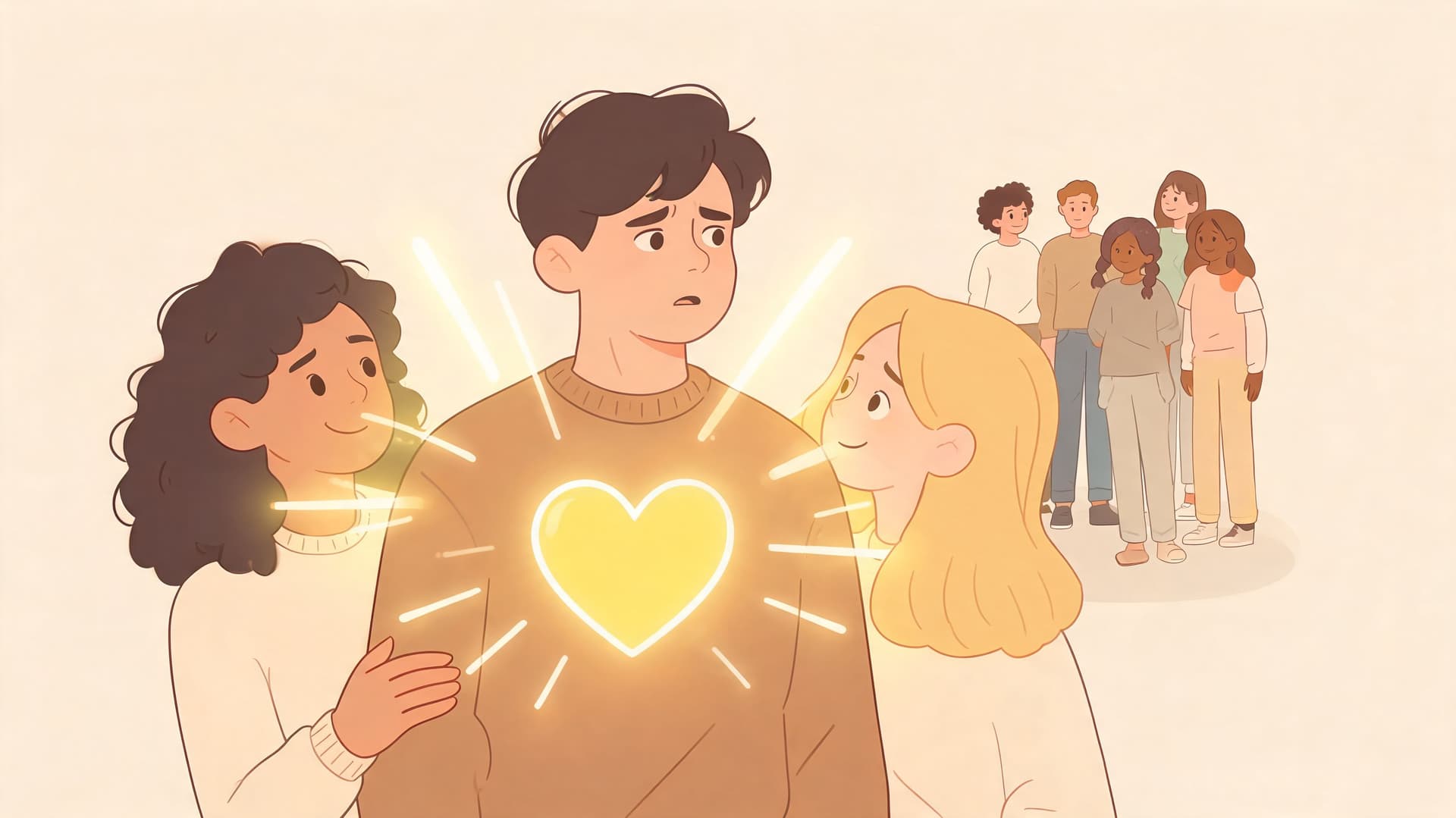
ENFJs are often called The Protagonist, and the name fits. In relationships, they usually want growth, loyalty, emotional honesty, and a sense that the bond is going somewhere meaningful. Casual connection can be fun for a while, but most ENFJs want depth. They want to feel chosen, appreciated, and emotionally met.
What an ENFJ usually needs in love
The first thing to understand is that ENFJs don't just want affection. They want relational momentum. They tend to feel safest when the relationship has warmth, shared intention, and regular emotional contact.
Three needs tend to matter:
- Emotional responsiveness: They usually feel close when a partner notices feelings and responds with care.
- Verbal reassurance: Many ENFJs relax when love is spoken, not only implied.
- Shared purpose: They often want a relationship to feel like a team, not just a chemistry spark.
A lot of readers confuse ENFJ warmth with emotional simplicity. It isn't simple. ENFJs can look steady on the outside while privately wondering whether they're too much, giving too much, or asking for too much.
Practical rule: If an ENFJ keeps saying “I'm fine,” look at their energy, not just their words.
Why some connections feel easy and others don't
ENFJs often do well with people who value emotional meaning and direct communication. According to the man42 MBTI relationship survey on ENFJ matchups, relationship averages are shown with error bars using a Wilson confidence interval of 90%, and some ENFJ pairings, including INFP, are rated as high as 99%. That matters because it shows an attempt to measure patterns instead of relying only on stories.
Still, numbers don't tell you what the lived experience feels like. In real life, ENFJs usually click with people who can join them in emotional depth without making them carry the whole relationship. If you want a helpful lens for that, this piece explains why “being caring” and “feeling understood” aren't always the same thing.
The hidden challenge
ENFJs often know how to support a partner better than they know how to reveal their own unmet needs. They may give hints, increase effort, or become even more attentive when they need comfort themselves.
That's why compatibility for an ENFJ isn't just about attraction. It's about whether the relationship allows them to be loved as directly as they love others.
ENFJ Compatibility With All 16 Personality Types
The clearest pattern across compatibility guides is that ENFJs often connect strongly with emotionally attuned types, especially partners who appreciate warmth, meaning, and open-hearted conversation. One ENFJ compatibility overview from Personality Data notes that ENFJ is often ranked highly with emotionally aligned types, with INFP at 99% and ENFP at 98% in one ranking, while some sources also rank ENFJ with ENFJ highly. That gives us a useful map, even if real relationships still depend on maturity, values, and communication.
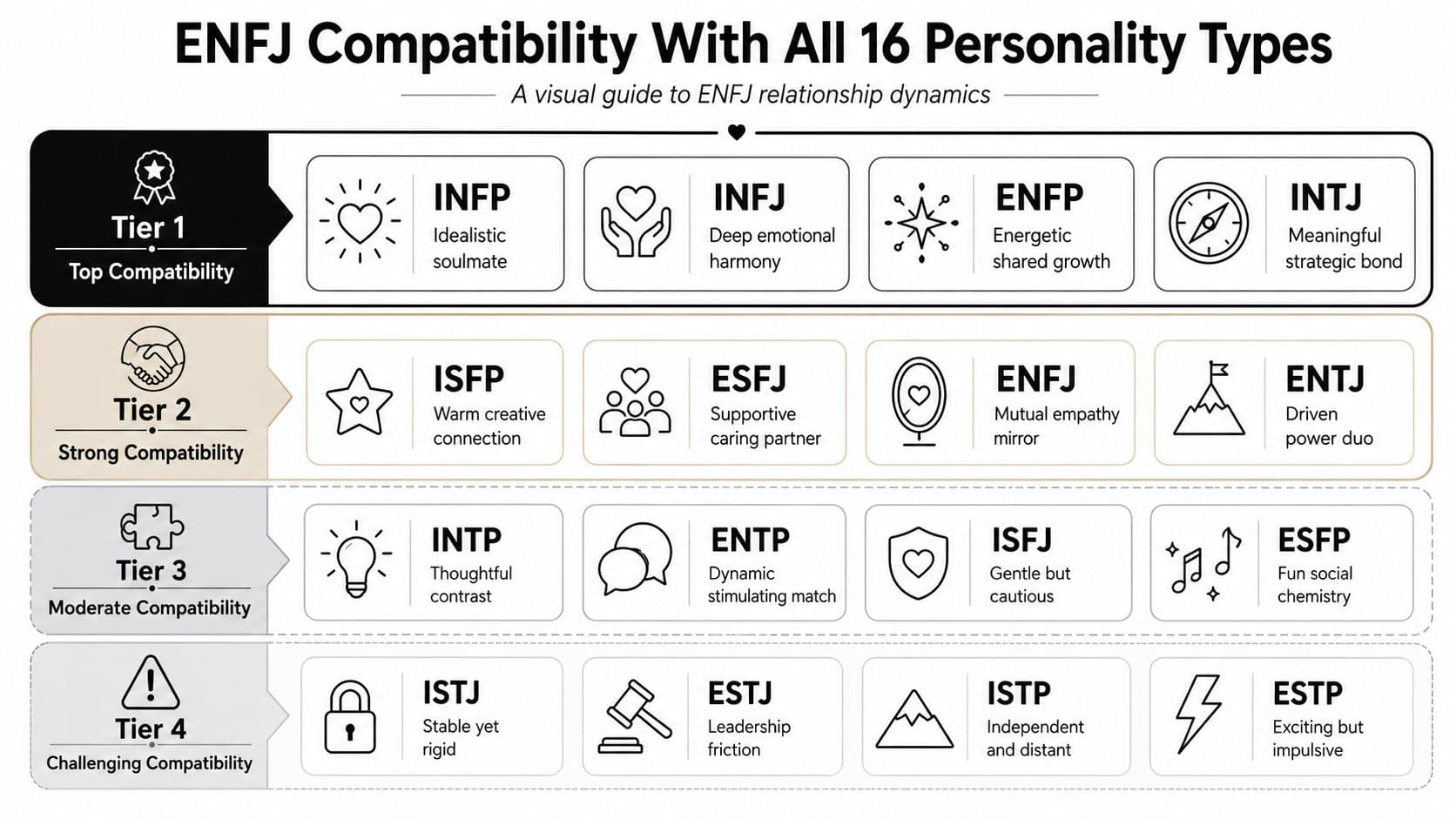
ENFJ compatibility at a glance
| MBTI Type | Compatibility Tier | Core Dynamic |
|---|---|---|
| ENFJ | Strong potential | Shared warmth, similar pacing, risk of mutual self-neglect |
| INFP | Natural partner | Emotional depth, idealism, gentle mutual growth |
| ENFP | Natural partner | High energy, affection, inspiration, possible lack of structure |
| INFJ | Strong potential | Deep empathy, shared intuition, quiet intensity |
| ENTP | Intriguing dynamic | Mental spark, debate, possible emotional mismatch |
| ENFP | Natural partner | Fast connection, creativity, emotional encouragement |
| ISFP | Growth-oriented | Warmth and feeling, but different communication pace |
| ESFJ | Strong potential | Caregiving bond, shared investment in people |
| ESFP | Intriguing dynamic | Fun and affection, but different future focus |
| ENTP | Intriguing dynamic | Exciting ideas, friction around bluntness |
| INTJ | Growth-oriented | Vision and strategy, but very different emotional style |
| INTP | Growth-oriented | Insightful and original, but can seem distant |
| ENTJ | Growth-oriented | Strong pair, but power and pacing may clash |
| ISTJ | Opportunity for growth | Reliability meets idealism, but warmth may feel uneven |
| ISFJ | Strong potential | Kindness and commitment, with different social tempo |
| ESTP | Opportunity for growth | Chemistry possible, but conflict style can feel jarring |
| ESTJ | Opportunity for growth | Structure and decisiveness, but emotional tone may clash |
| ISTP | Most challenging | Independence and reserve can frustrate the ENFJ need for connection |
Natural partners
INFP
This pairing often feels emotionally rich from the start. The ENFJ brings encouragement and movement, while the INFP brings sincerity and inner depth. Trouble starts if the ENFJ becomes too managing or the INFP withdraws instead of speaking plainly.
ENFP
There's usually enthusiasm, warmth, and a lot of shared idealism here. Both can feel seen for their emotional intensity and imagination. The challenge is follow-through, because both may prefer inspiration over routine.
INFJ This is often a powerful bond. Both care about meaning, people, and emotional truth, but they express it differently. The ENFJ tends to externalize and engage, while the INFJ often processes inwardly first.
ENFJ
Two ENFJs can create a tender, high-attunement partnership. They often understand each other's social instincts, emotional language, and need for affirmation without much translation. The risk is that both try to be the “strong one” and nobody states what they actually need.
Two caring people aren't automatically in a healthy relationship. They still have to practice honesty.
Strong potential pairings
ESFJ This relationship can feel loyal, generous, and community-minded. Both usually care a great deal about people and relationships. Friction often shows up when the ENFJ wants more abstract depth and the ESFJ wants steadier practical rhythm.
ISFJ
There's often a lot of tenderness here. The ISFJ may offer consistency and devotion, while the ENFJ brings encouragement and emotional momentum. Misunderstandings can happen if the ENFJ pushes too fast or the ISFJ avoids direct disagreement.
ISFP
This pairing can be sweet, affectionate, and emotionally sincere. The ENFJ often loves the ISFP's authenticity, and the ISFP may appreciate the ENFJ's encouragement. Problems tend to arise when the ENFJ wants more verbal clarity than the ISFP naturally gives.
Intriguing dynamics
ENTP
This one often starts with fascination. The ENFJ enjoys the ENTP's originality, and the ENTP may admire the ENFJ's heart and conviction. Over time, bluntness can bruise the ENFJ, while the ENTP may feel boxed in by emotional expectations.
ESFP
There can be strong chemistry and a lively social bond. Both may enjoy people, experiences, and emotional expressiveness. The tension usually comes from focus, because the ENFJ often thinks ahead while the ESFP prefers the immediacy of the present.
INTP
The INTP can intrigue the ENFJ with intelligence and originality. The ENFJ can help bring warmth and relational focus into the bond. The main challenge is that the ENFJ may read emotional distance as lack of care, even when that isn't true.
Growth-oriented pairings
INTJ
This can be a compelling match when both respect each other's strengths. The ENFJ brings relational intelligence, while the INTJ brings vision and precision. Conflict often appears when one wants empathy first and the other wants efficiency first.
ENTJ
Ambition, leadership, and future orientation can make this relationship feel powerful. Still, the emotional tone matters. If the ENTJ becomes too forceful or the ENFJ becomes too indirect, both can feel misunderstood.
ISTJ
This pairing can work when steadiness and kindness are present. The ISTJ often offers reliability, and the ENFJ brings emotional attentiveness. The relationship gets strained if one sees the other as too rigid or too emotionally demanding.
Opportunity for growth
ESTJ
There's potential here, but the styles are different enough that both people need patience. The ESTJ may value clarity, structure, and directness, while the ENFJ prioritizes tone and emotional impact. Without care, each can see the other as unreasonable.
ESTP
This can be fun and magnetic at first. The ENFJ may love the ESTP's boldness, while the ESTP may enjoy the ENFJ's charisma. The problem is durability if emotional depth and conflict style don't line up.
ISTP
This is often one of the tougher combinations. The ISTP may need a lot of space and emotional independence, while the ENFJ often wants regular connection and verbal reassurance. It can work, but both need to stop assuming the other “should just know.”
Dating an ENFJ vs Long-Term Partnership
Dating an ENFJ often feels bright, focused, and emotionally generous. They ask meaningful questions, remember details, and make you feel important quickly. Many people experience early ENFJ romance as highly affirming because ENFJs tend to invest real energy in understanding who you are.
That early stage can also create confusion. An ENFJ may feel sure about the relationship before daily habits, conflict patterns, and long-term compatibility have fully surfaced. They're often future-minded, so chemistry can get mixed up with vision.
What dating an ENFJ feels like
In the beginning, ENFJs usually bring momentum. They like intentional conversation, emotional presence, and signs that the relationship matters to both people.
You'll often notice:
- Quick emotional attunement: They tend to pick up on what lights you up and what hurts.
- Thoughtful gestures: They often express care through encouragement, planning, and follow-up.
- Forward movement: Many ENFJs don't love vague situationships for long.
If you're dating an ENFJ, consistency matters more than grand performance. They usually trust repeated effort over occasional intensity.
What changes in long-term partnership
Long-term partnership with an ENFJ asks for something deeper than charm. It asks for reciprocity. Over time, ENFJs can become over-responsible for the relationship climate. They may monitor moods, smooth conflict, remember everyone's needs, and carry too much without making a sound.
That's where the relationship either matures or starts draining them.
A healthy long-term bond with an ENFJ has two caregivers, not one caregiver and one receiver.
A lasting partnership works better when both people do three things. First, they name issues early instead of preserving fake peace. Second, they protect each other's energy, not just each other's feelings. Third, they build reassurance into normal life instead of waiting for emotional emergencies.
A simple comparison
| Stage | Common ENFJ strength | Common ENFJ risk |
|---|---|---|
| Early dating | Warmth, focus, emotional excitement | Idealizing too fast |
| Established relationship | Loyalty, devotion, emotional labor | Self-sacrifice and burnout |
If you love an ENFJ, don't assume they're okay because they're still being kind. Many ENFJs stay loving long after they've started feeling lonely.
Beyond Romance ENFJ Friendships and Work Relationships
ENFJs don't reserve their relational intensity for romance. Friends, family, classmates, and coworkers often feel it too. An ENFJ friend is frequently the one who remembers your hard week, checks in after the party, and notices when your “I'm fine” doesn't sound convincing.
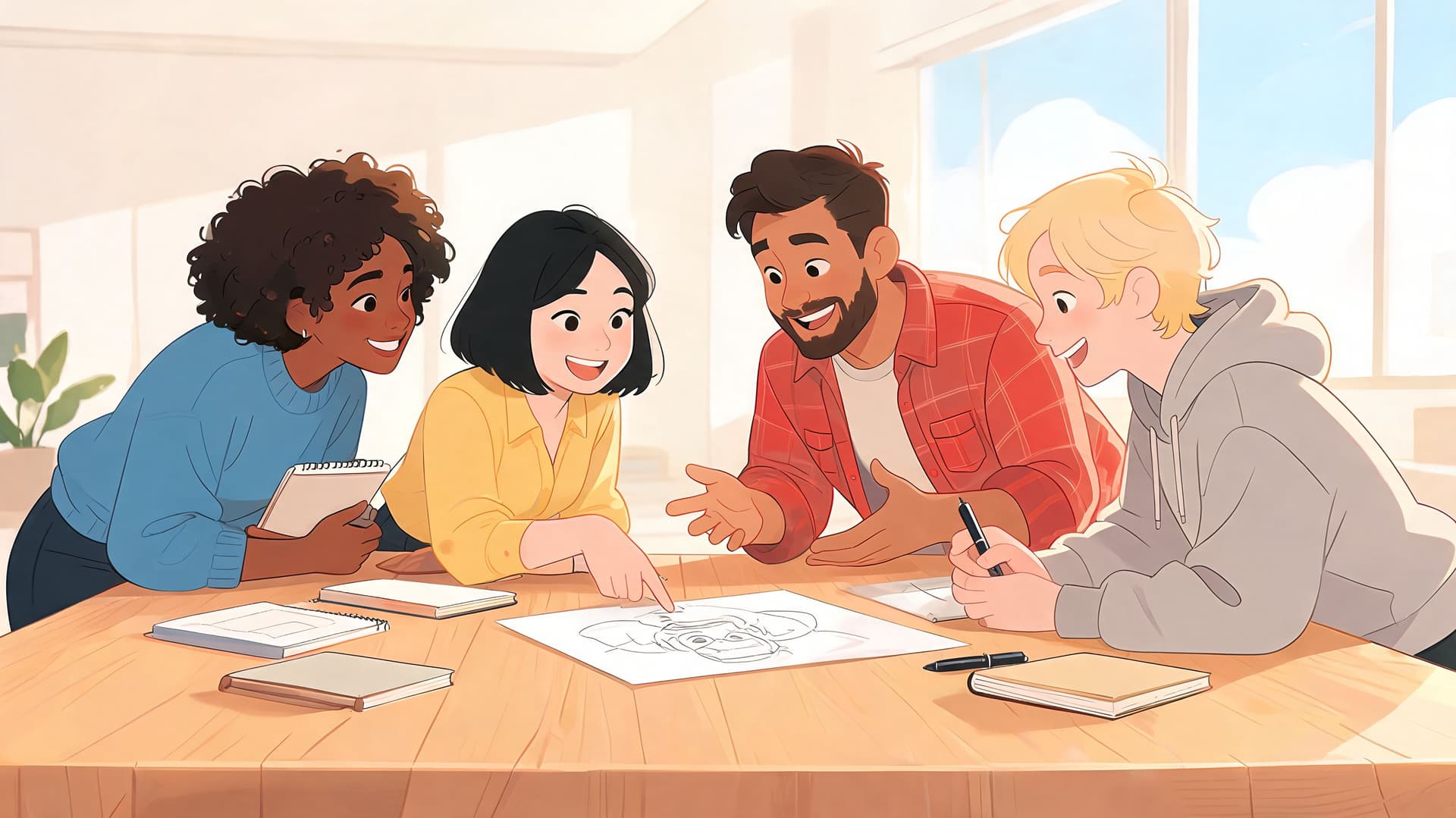
That generosity can make them beloved. It can also make them overextended. In non-romantic relationships, the same question still matters: is this connection reciprocal, or is the ENFJ doing most of the emotional work?
ENFJs as friends
As friends, ENFJs often create the social glue. They gather people, repair awkward moments, encourage growth, and keep relationships alive through active effort.
They usually thrive in friendships where people:
- Respond with warmth: They don't need endless intensity, but they do need sincerity.
- Initiate sometimes: A one-sided friendship wears them down.
- Respect emotional depth: ENFJs often want more than surface chatter forever.
A common misunderstanding is thinking the ENFJ “just likes helping.” Usually they do. But they also want to be known, not only appreciated for being helpful.
ENFJs at work
At work, ENFJs often become culture carriers. They tend to notice morale, interpersonal tension, and whether people feel motivated or left out. In leadership roles, they often bring vision through relationships, not just process.
That makes them strong in roles involving teaching, mentoring, collaboration, and team development. It also creates a predictable pressure point. If the workplace rewards output but ignores emotional labor, ENFJs can end up doing invisible work that drains them.
People often rely on ENFJs to keep a group human. The ENFJ still needs clear boundaries, role clarity, and rest.
How to relate well to an ENFJ outside romance
If you're close to an ENFJ as a friend or colleague, a few habits go a long way:
- Acknowledge their effort: They often notice everything, including whether their effort lands.
- Be direct when something's wrong: They usually prefer honest repair over weird distance.
- Don't make them the default mediator: Being emotionally skilled doesn't mean they should manage every tension.
In friendships and work relationships, enfj relationship compatibility often comes down to the same core issue as romance. Can both people bring care, clarity, and responsibility to the connection?
Navigating Communication Conflict and Red Flags
Conflict with an ENFJ can look softer than it feels in reality. They may stay polite, ask careful questions, and try to keep the conversation constructive. Underneath that calm tone, though, they can feel profoundly hurt, especially if a partner is dismissive, sarcastic, or emotionally unavailable.
One of the biggest dynamics to understand comes from BrainManager's ENFJ compatibility. It explains that ENFJs, shaped by Extraverted Feeling, are often skilled at reading and validating emotions. It also warns that this becomes a problem when both people suppress their own needs to keep harmony. The healthier pattern is regular, candid check-ins where each person speaks for themselves.
What helps during conflict
If you want to communicate well with an ENFJ, aim for honesty with warmth. They usually don't need perfection. They need good faith.
Try this approach:
-
Name the issue clearly
Don't hint, withdraw, or punish with silence. Say what's bothering you in plain language. -
Reassure the bond while discussing the problem
ENFJs often hear emotional distance before they hear content. A simple “I care about us, and I want to talk about this” can lower defensiveness fast. -
Ask what they need, then answer the same question yourself
ENFJs often default to understanding you first, so a mutual exchange ensures a balanced conversation.
If conflict keeps getting circular, how to resolve relationship conflict can help you turn emotional insight into a more usable repair process.
Common ENFJ red flags
An unhealthy ENFJ doesn't always look dramatic. Sometimes they look exhausted, overinvolved, and resentful.
Watch for patterns like:
- Martyr behavior: Giving constantly, then feeling unseen without clearly asking for support.
- Emotional overreach: Trying to manage your feelings, choices, or relationships for your own good.
- Conflict avoidance: Saying the right words while burying real frustration.
Red flags in a partner
ENFJs can stay too long in relationships where they're valued for what they provide rather than who they are. That's why partner behavior matters just as much.
Be cautious if the other person:
- Takes without reciprocating: They expect support but rarely offer it.
- Mocks emotional needs: They treat care, reassurance, or depth as weakness.
- Uses the ENFJs empathy against them: They lean on guilt, dependency, or selective helplessness.
If peace always depends on one person swallowing their needs, that isn't peace. It's imbalance.
Practical Tips for Growth in an ENFJ Relationship
A common starting point is the question, “Which type fits me best?” That question makes sense, but it's incomplete. A more useful question is whether two people can build trust, repair conflict, and live by compatible values over time.
That matters because a useful lens on ENFJ relationship compatibility points to the importance of shared values and conflict-resolution style over personality labels alone.
If you're dating or partnered with an ENFJ
A good relationship with an ENFJ usually improves when you do less guessing and more showing.
- Say the appreciation out loud: ENFJs often relax when care is explicit.
- Share the emotional labor: Don't make them the only one who notices, plans, repairs, or reassures.
- Respect their mission-driven side: Many ENFJs need meaning in life and in love.
Small things matter here. Follow-through matters. Thoughtful check-ins matter. So does taking their inner world seriously even when they seem outwardly strong.
If you are the ENFJ
Your growth often starts where your generosity meets your limits. You may need to learn that love doesn't become purer when you erase yourself inside it.
A few practices help:
- State needs before resentment builds
- Let people disappoint your ideal image of them
- Stop confusing being needed with being loved
That last one can sting, but it matters. Some ENFJs stay attached to relationships where they feel useful, central, or emotionally responsible. That can feel powerful and lonely at the same time.
A better decision framework
If you're evaluating enfj relationship compatibility, look at type and then go further. Ask:
| Question | Why it matters |
|---|---|
| Do we handle conflict respectfully? | Chemistry won't save a relationship with poor repair |
| Do we want similar things from life? | Shared direction reduces chronic tension |
| Can both of us give and receive? | ENFJs often over-give unless reciprocity is explicit |
If you want another lens besides MBTI, some people also explore Dan Millman's The Life You Were Born to Live and tools based on that framework. For example, the Life Purpose App lets users explore life path themes, relationship dynamics, and broader compatibility patterns through Millman's system. That kind of tool can be useful if you treat it as a reflection aid, not a substitute for communication and real-world discernment.
Beyond MBTI A Deeper Look at Your Life Purpose
MBTI gives you a language for style. It helps explain how you love, communicate, and respond to closeness. That alone can be illuminating, especially for ENFJs who've spent years wondering why some relationships feel effortless and others feel emotionally expensive.
But type isn't the whole story. Two people can look compatible on paper and still want different lives. They can share emotional language and still have mismatched lessons, priorities, or life direction.
That's where Dan Millman's The Life You Were Born to Live offers a different angle. Its life path framework looks less at personality style and more at purpose, growth themes, gifts, and recurring challenges. If MBTI helps answer, “How do I relate?” Millman's system can help explore, “What am I here to learn, and what kind of partnership supports that?”
If you want to go deeper, a reflection on soul purpose is a thoughtful next step.
If you want to explore relationship compatibility through the lens of Dan Millman's The Life You Were Born to Live, the Life Purpose App offers a practical way to look at life paths, relationship dynamics, and personal growth themes alongside what you've learned from MBTI.
Discover Your Life Purpose Today!
Unlock your true potential and find your life’s purpose.
