That ache of being hurt is one of the most human experiences we share. It’s more than a passing sadness; it can feel like a deep internal wound that changes how you see yourself and others. This article offers clear, practical steps to understand your pain, restore emotional safety, and move toward lasting healing.

December 1, 2025 (10mo ago) — last updated July 6, 2026 (3mo ago)
Heal Emotional Hurt: Practical Steps to Emotional Healing
Learn practical, evidence-based steps to heal emotional hurt: identify triggers, set boundaries, practice self-compassion, and seek support.
← Back to blog
That ache of being hurt is one of the most human experiences we share. It’s more than a passing sadness; it can feel like a deep internal wound that changes how you see yourself and others. This article offers clear, practical steps to understand your pain, restore emotional safety, and move toward lasting healing.
Heal Emotional Hurt: Practical Steps to Emotional Healing
Summary: Practical strategies to heal feelings of hurt: identify triggers, set boundaries, build resilience, and know when to seek professional help.
Introduction
That ache of being hurt is one of the most human experiences we share. It’s more than a passing sadness; it can feel like a deep internal wound that changes how you see yourself and others. This article offers clear, practical steps to understand your pain, restore emotional safety, and move toward lasting healing.
That feeling of being hurt is universal. It’s not just a passing wave of sadness, it’s a deep internal ache from being wounded by what someone said or did. Hurt often brings a messy mix of disappointment, betrayal, and rejection, and it can change how you relate to yourself and to others.
Why Hurt Can Last
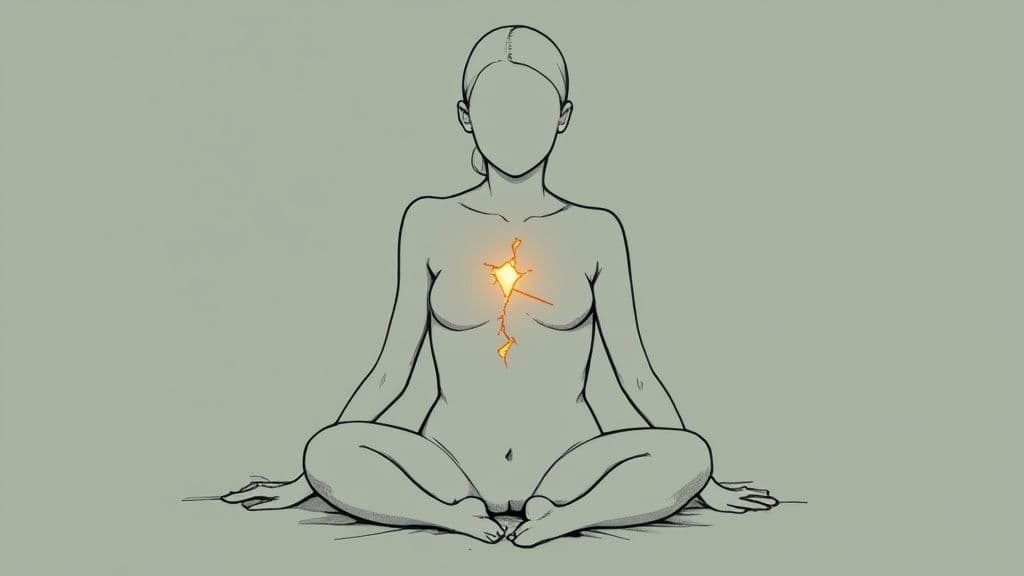
Emotional hurt is less like a fleeting mood and more like a cut that needs care. If ignored, it can fester. Our need to belong is hardwired, and social rejection activates the same alarm system as physical pain1. That’s why a dismissive comment can feel like a punch to the gut.
The emotional layers you may be feeling
Hurt usually isn’t one emotion. It’s a blend, such as:
- Disappointment when expectations aren’t met.
- Betrayal when trust is broken.
- Sadness after a lost connection.
- Rejection that shakes belonging and self-worth.
Recognizing the specific flavor of your hurt is the first step toward healing. Pinpointing whether you feel betrayed, rejected, or simply disappointed helps you respond more clearly.
Why some things hurt more than others
A small comment can trigger intense pain because it presses on old, tender spots in your emotional history. Past experiences shape core beliefs about yourself and others, and new events can reactivate those wounds. Understanding your personal triggers helps you name the hurt and respond with more compassion rather than blame.
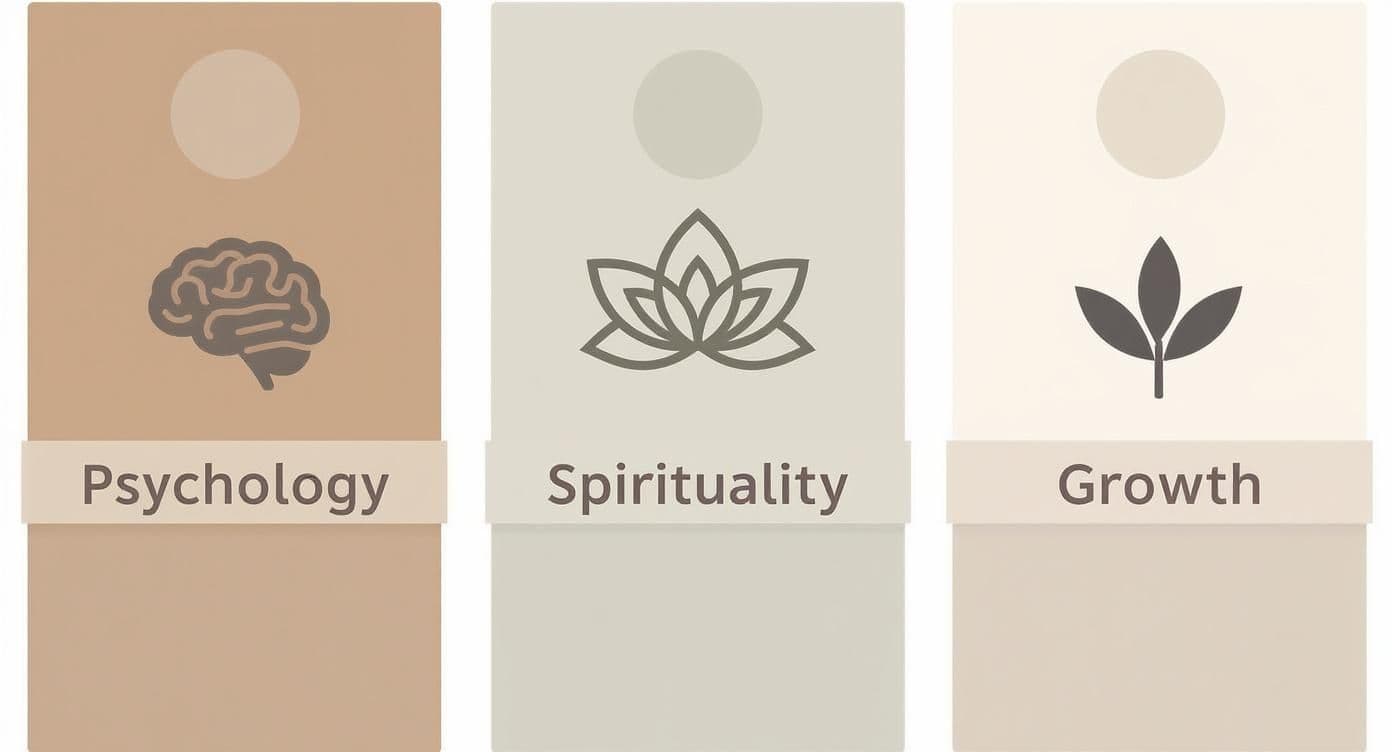
Your psychological blueprint
Early relationships and past betrayals create patterns that influence how you react now. For example, prior betrayal can make a partner’s small lapse feel like a major violation. Exploring these patterns, including inner child work, can be useful; see related practices like inner child healing exercises.
A spiritual view on pain
Some people find meaning in pain by seeing it as a signal that points to misalignment with purpose or values. Frameworks like Dan Millman’s work can reframe recurring patterns as opportunities for growth. Learn more about life-path tools at the Life Purpose App: Find out more about your journey.
Signs that hurt is unresolved
Unresolved hurt often hides in behavior and mood. It’s a quiet, persistent influence that changes how you act and feel.
Common behavioral and emotional clues
- Persistent irritability and snapping at others.
- Emotional withdrawal and avoiding closeness.
- A recurring sense of victimhood or expecting the worst.
- Overly defensive reactions to small feedback.
Use journaling and mindful check-ins to spot these patterns. For guidance on self-awareness, see how to be more self-aware.
Healthy response versus being stuck
There’s a difference between a natural, passing hurt and a pattern of unresolved pain. Examples:
- Relationships: Healthy response means talking and repairing; unresolved hurt shows as avoidance or repeating the same painful patterns.
- Emotional state: Healthy sadness passes; unresolved pain becomes constant resentment or anxiety.
- Self-view: Healthy grief leaves self-worth intact; unresolved hurt chips away at confidence.
- Future outlook: Healthy people remain open; unresolved hurt expects betrayal and struggles to trust.
Seeing these patterns helps you know where to begin the work of healing.
The hidden costs of holding on to hurt
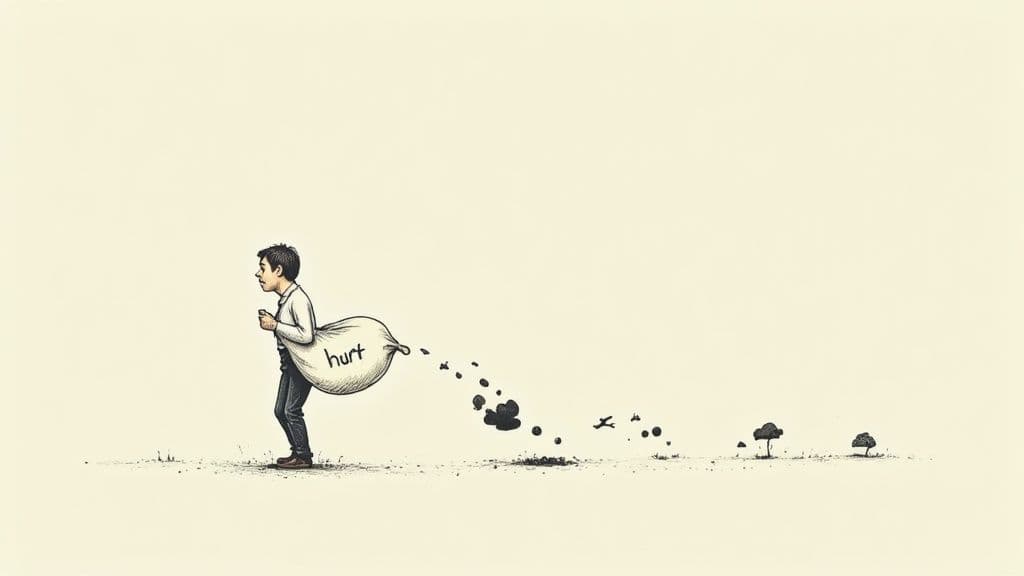
Carrying unresolved hurt drains energy and attention. It keeps your nervous system on alert, making it harder to sleep, focus, or enjoy life. Over time, chronic emotional pain can contribute to physical symptoms and mental health struggles3.
Worldwide, negative emotions and stress are rising, and many adults report significant worry and stress in surveys2. Depression and anxiety affect hundreds of millions globally, showing how common prolonged emotional pain can be5.
“Unresolved hurt doesn't just stay in the past; it mortgages your future happiness by stealing peace and harming your relationships.”
Addressing hurt is an investment in your present and future wellbeing.
Practical strategies to heal emotional wounds
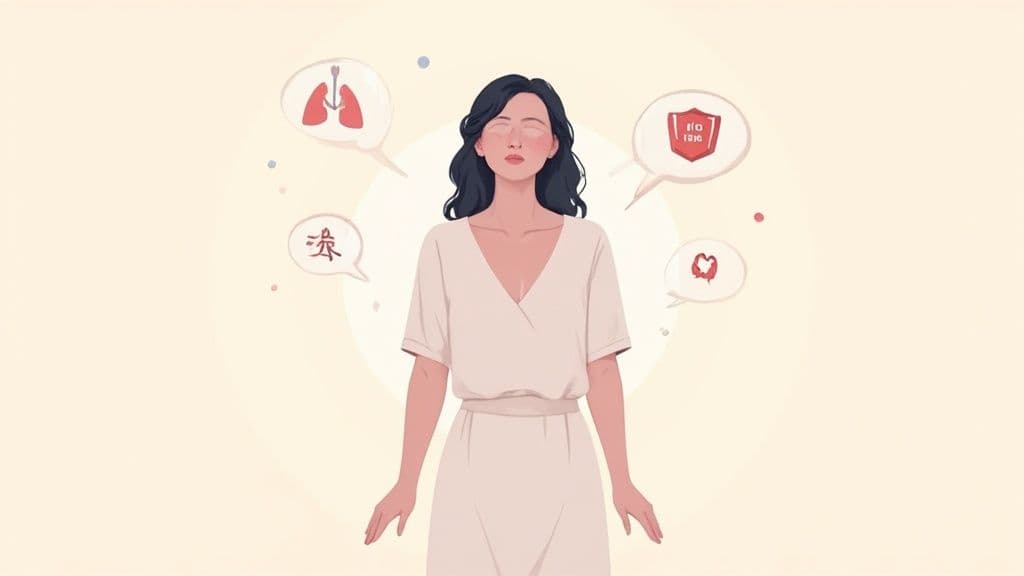
Here are clear, practical steps you can use today. These practices calm your nervous system, help you communicate, and rebuild emotional safety.
1. Regulate with mindful breathing
When hurt triggers your fight-or-flight response, use the breath to calm down:
- Sit comfortably and relax your shoulders.
- Inhale through your nose for a count of four, letting your belly expand.
- Pause gently for a count of four.
- Exhale slowly through your mouth for a count of six.
- Repeat for a few minutes until calmer.
2. Use “I feel” statements to communicate needs
Replace blaming phrases with statements that focus on your experience. Instead of “You never listen,” try, “I feel unheard when I share something important.” This invites empathy and lowers defensiveness.
3. Set firm, healthy boundaries
Boundaries protect your peace and teach others how to treat you. They may mean limiting contact with someone who repeatedly hurts you or saying no to requests that drain you. Boundary work often pairs with forgiveness as part of long-term healing; see related guidance on healing and forgiveness.
4. Practice radical self-compassion
Treat yourself as you would a friend. When you’re hurting, avoid self-criticism and offer kindness instead. Creative outlets and therapeutic activities can restore balance; explore ideas in therapeutic activities for mental health.
When to seek professional support
Some wounds need more than self-help. Seeking help is a sign of strength, not weakness. Therapy provides a safe, structured space to unpack feelings and build coping strategies, and psychotherapy has been shown to improve symptoms and functioning for many people4.
Signs it’s time to reach out
- Daily functioning is impaired, such as trouble concentrating at work.
- Relationships are strained or you withdraw from loved ones.
- Persistent negative feelings like deep anxiety or hopelessness.
- Unhealthy coping, including substance use or chronic avoidance.
Finding a therapist and getting support can significantly speed recovery.
3 Concise Q&A for quick guidance
How long does healing usually take?
There’s no set timeline. Healing depends on wound depth, history, and support. Focus on small signs of progress: less reactivity, clearer boundaries, and increased self-kindness.
Can I heal without an apology?
Yes. Healing is an inside job. Waiting for an apology gives someone else control over your recovery. You can set boundaries and choose to release the hold the pain has on you.
When should I see a professional?
If pain disrupts daily life, relationships, or leads to harmful coping, reach out to a therapist for support.
Are you ready to understand your unique emotional patterns and find deeper alignment? Discover your life path and unlock personal insights with the Life Purpose App. Find out more about your journey.
1.
Eisenberger, N. I., Lieberman, M. D., & Williams, K. D., “Does rejection hurt? An fMRI study of social exclusion,” Science 2003. [https://www.pnas.org/](https://www.pnas.org/)
2.
Gallup, Gallup Global Emotions Report. Findings on worry and stress cited in this article. [https://www.gallup.com/analytics/349280/gallup-global-emotions-report.aspx](https://www.gallup.com/analytics/349280/gallup-global-emotions-report.aspx)
3.
Mayo Clinic, “Stress symptoms: Effects on your body and behavior.” Overview of how chronic stress impacts physical health. https://www.mayoclinic.org/
4.
American Psychological Association, “Understanding psychotherapy and its benefits.” Research on effectiveness of therapy for emotional and mental health concerns. https://www.apa.org/
5.
World Health Organization, information on global mental health and prevalence of depression and anxiety. https://www.who.int/
Discover your life path today
Enter your date of birth and see your life path, free.
Find your life path