You’re likely reading this on a phone or laptop and may feel connected online yet oddly alone. Small moments—a timely text, a brief kindness, a shared laugh—can make “we’re all connected” feel real. This article explains connection through spiritual, scientific, and practical lenses and offers clear steps to deepen belonging, health, and purpose.
April 28, 2026 (4mo ago) — last updated July 30, 2026 (1mo ago)
We’re All Connected: Science, Spirit & Practice
Explore how connection shapes health, purpose, and relationships—scientific evidence, spiritual insight, and practical steps to deepen belonging.
← Back to blog
We’re All Connected: Science, Spirit & Practice
Summary: Discover what “we’re all connected” really means through science, spirituality, and practical steps to improve health, relationships, and purpose.
Introduction
You’re likely reading this on a phone or laptop. You may answer messages, scroll past celebrations or arguments, and still feel oddly alone. Then something small breaks through: a stranger holds a door a beat longer, a friend texts at the exact moment you think of them, or a child’s laugh softens your body. For a moment the phrase “we’re all connected” stops sounding like a slogan and feels true.
Connection is not only a spiritual idea. It’s a human experience, a biological reality, and an everyday practice that shapes health, relationships, and purpose. This article explains what the phrase can mean, grounds it in science and practice, and offers clear steps to live with more belonging.
More Than a Feeling: The Reality of Our Connection
We often notice interconnectedness in hard seasons. Life can feel crowded and disconnected at once. Yet ordinary moments—someone remembering your name, a coworker noticing you’re quiet, a stranger sharing a story that mirrors your own—remind us that lives touch constantly.
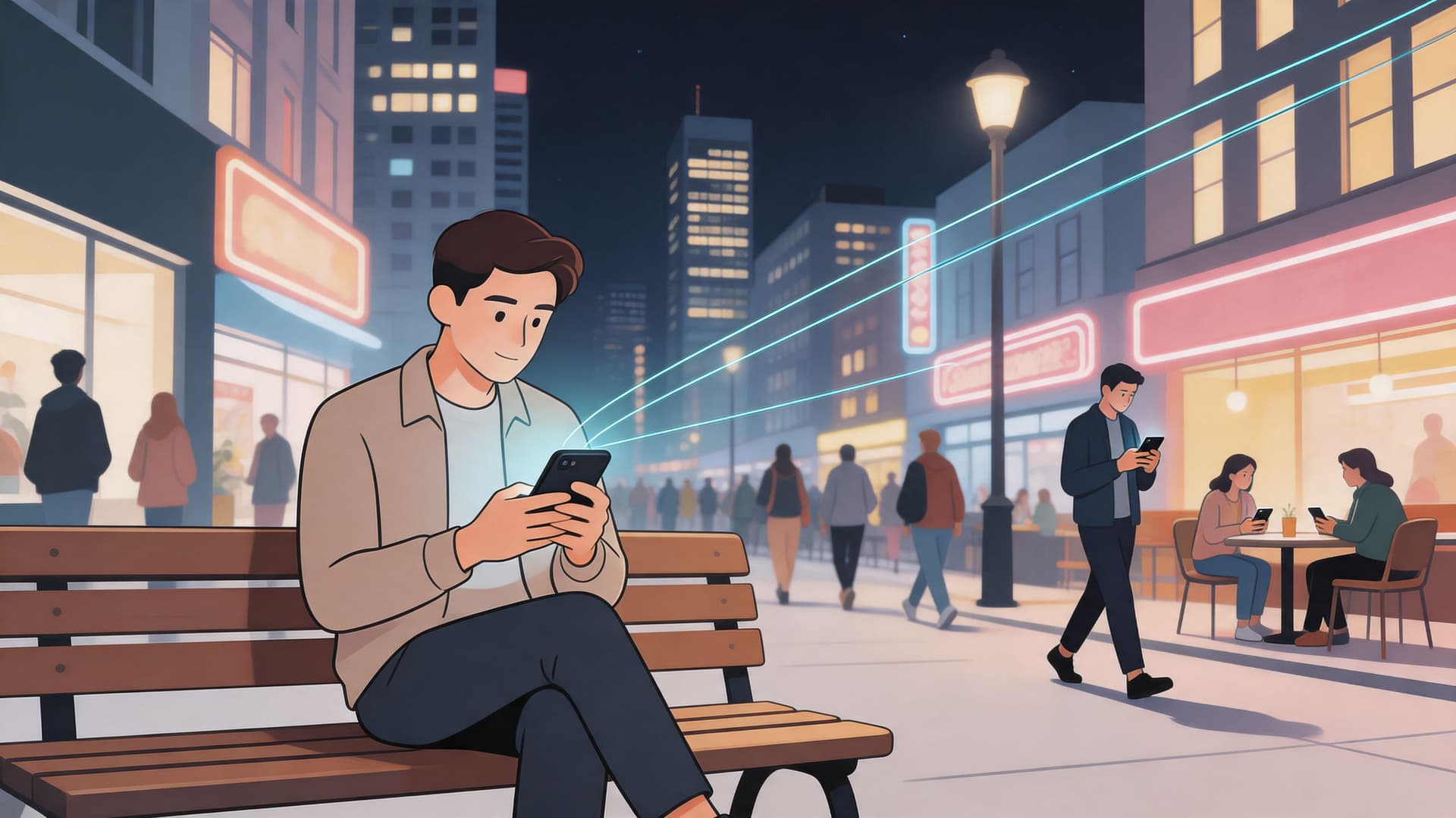
A global survey found that more than seven in 10 adults report feeling emotionally connected to others, while about 6% said they feel connected to no one at all1. We’re built for connection, and many still ache from its absence.
Connection is broad, not narrow
Connection doesn’t require soulmate-level intimacy. Emotional connection includes family, friends, coworkers, neighbors, community groups, and even brief acts of recognition with strangers. That broader view helps us value the small bonds that hold life together.
Practical rule: Don’t wait for a perfect bond before you admit that connection is already present in your life.
How a small chain creates large effects
Think of connection as a sequence:
- Your inner life shapes how you treat people.
- How you treat people affects the tone of home, work, and community.
- The tone of communities shapes the larger world we share.
That chain is simple, but its impact is not small.
Why the idea lands so deeply
Across cultures the phrase returns because many people sense it before they can explain it. We feel it in grief, in courage, and in love. Connection can be messy and fragile, but it’s also one of the clearest clues to what makes life livable.
Three Lenses to Understand Our Interconnected World
To trust the idea that “we’re all connected,” try three lenses. Each reveals part of the picture.
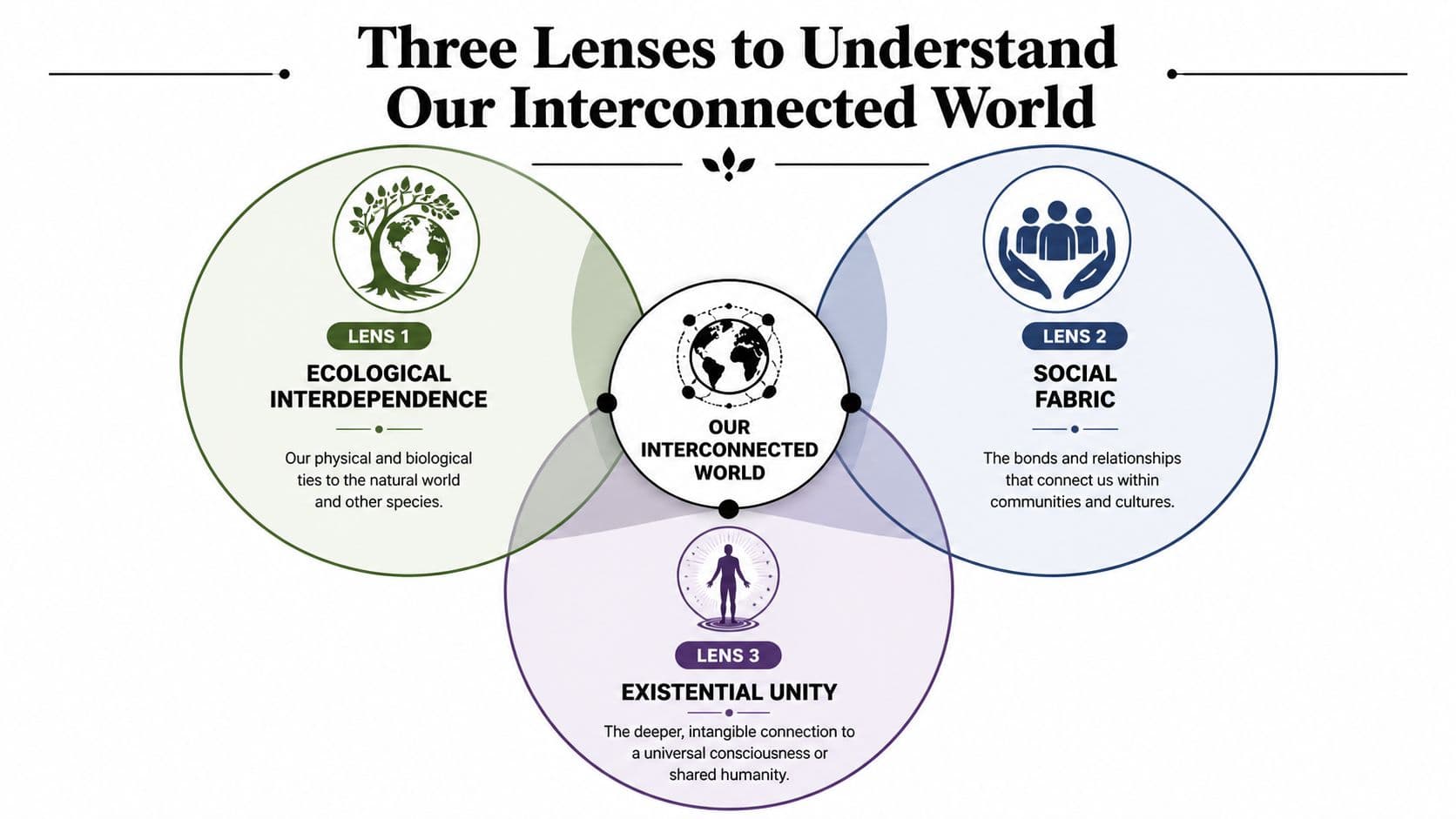
The spiritual lens
Viewed spiritually, separation is not the deepest truth. Many traditions teach oneness—the idea that life shares a sacred source and what we do to others shapes us. This doesn’t require shared religion. It asks whether your life makes more sense when you treat other people as fundamentally related to you rather than as obstacles.
If you’ve ever felt your life is part of something larger, this lens names that experience and supports it.
The scientific lens
Connection shows up in the body. The human brain contains roughly 86 billion neurons and an enormous number of synaptic connections; experience reshapes those connections through synaptic plasticity, so we are literally changed by relationships and environments2.
Put simply:
- You learn through repeated experience.
- Patterns become easier to repeat over time.
- Supportive relationships reinforce healthier patterns.
- Hurtful environments reinforce withdrawal or defensiveness.
Your nervous system is formed in relationship with other people and your surroundings.
Your biology doesn’t make connection optional. It makes connection formative.
The practical lens
Daily life depends on other people. You eat food grown and shipped by many hands. You rely on infrastructure, services, caregivers, and social norms you didn’t create. We often notice these links when they break: a delayed shipment, a power outage, or a conflict at work. Those moments make dependence visible.
| Lens | What it asks | What you notice |
|---|---|---|
| Spiritual | What joins us beneath appearances? | Shared humanity, meaning, compassion |
| Scientific | How are we built to adapt and relate? | Brains, habits, regulation, learning |
| Practical | How do lives affect each other daily? | Families, systems, mutual dependence |
Where people get stuck
Confusion comes from choosing one lens only. The strongest view lets spiritual insight and scientific evidence speak together. You can value neuroscience and still admit that awe and compassion matter. That wider view makes the idea less sentimental and more useful.
Why Embracing Connection Matters for Health and Happiness
Connection is not a luxury. It helps people stay well. Social connection is linked to improved health and reduced risk of early death, and around one in six people worldwide experience loneliness3. The long-running Harvard Study of Adult Development also finds warm relationships are key predictors of longer, happier lives4.
When connection weakens, people can feel less anchored, less motivated, and less sure their lives matter to others.
Loneliness is more than being alone
You can be surrounded and still feel unseen. Loneliness is the absence of felt belonging. Signs people often write off as “I’m just tired” can be signs of disconnection:
- Emotional flatness when conversations feel mechanical
- Shortened patience with people you usually care about
- Reluctance to reach out because it feels pointless or risky
- A drifting sense of meaning at work or home
Warm relationships change how life feels
You don’t need a huge social circle. Warmth matters more than size. A sincere conversation, dependable friendship, or trustworthy mentor can reshape how stress lands and how you carry pain.
A helpful test: After spending time with someone, do you feel more like yourself or less like yourself?
Health is relational
Emotional and physical health influence each other. Recognizing interconnection changes priorities. A healthier life is built through discipline and belonging combined.
Find Your Place in the Web of Life with Numerology
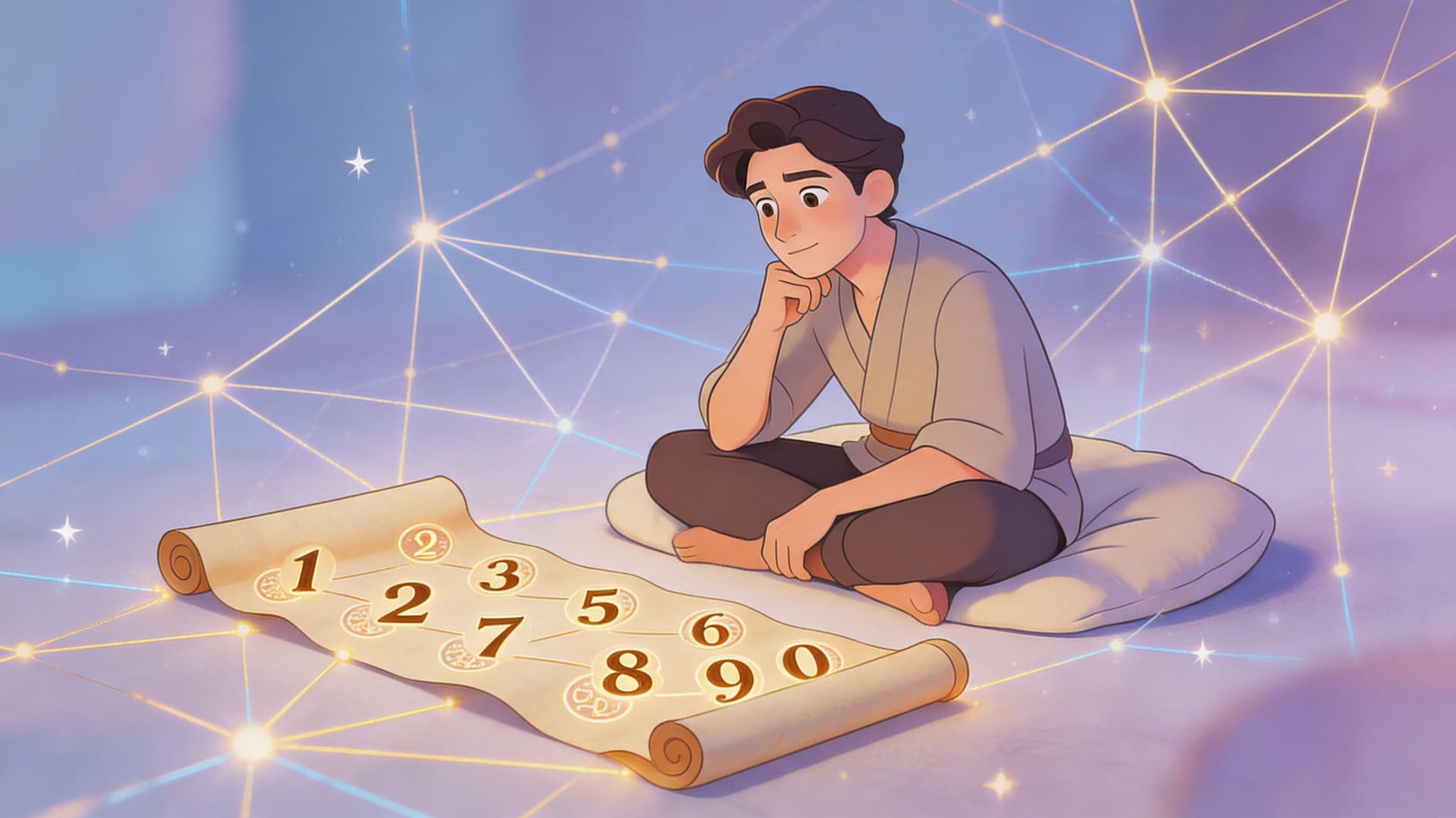
If you ask, “How do I find my place in the web?” a structured self-knowledge system can help. Dan Millman’s The Life You Were Born to Live presents numerology as a framework for understanding life path, core lessons, gifts, and recurring challenges. It starts with your birth date and points toward meaning, not prediction7.
Why a personal map helps
General spiritual writing can feel vague. Dan Millman’s system personalizes the question. It helps you see recurring themes and understand work, love, and service with clearer language. A good primer is the site’s guide to numerology for beginners8.
What this system offers
Dan Millman lays out 45 life paths based on birth date. The system is meant to aid reflection, not to box people. Used well, it offers:
- Self-recognition so struggles feel less random
- Compassion because gifts and challenges often come together
- Direction in work, love, and service
- Humility because your path is distinct but not the only one
Use it as a reflective tool: test it against lived experience and notice where it helps.
Why this matters beyond the self
Spiritual frameworks can support real-world healing when paired with professional care. Bradley Angle’s work with survivors of domestic violence shows many people need safety and relational repair, not only abstract encouragement5.
Numerology can sit alongside trauma-informed care as a language for patterns, sensitivity, conflict, and growth.
A grounded way to use numerology
- Learn your life path through Dan Millman’s system.
- Read for resonance, not certainty.
- Notice recurring themes in relationships, work, health, and decisions.
- Use insight to become more responsible, not more rigid.
When used well, numerology places you back into life with more awareness.
Map Your Relationships Using Life Path Insights
Self-knowledge becomes most useful in relationships. A life path framework can help you read interactions with more compassion and less blame. Often the other person is not resisting you; they may be moving through different lessons, sensitivities, or timing.
Look for pattern, not verdict
Ask better questions:
- What does each person value most naturally?
- Where do our instincts support each other?
- Where do we trigger old defenses in each other?
- Which conflicts are about character, and which are about timing?
A simple example
One friend needs clear plans and follow-through; the other values spontaneity. Without a framework both can become moralistic. With reflection, both can see different lessons being expressed and open to curiosity.
| Area | Person A notices | Person B notices |
|---|---|---|
| Communication | “I need clarity” | “I need room to breathe” |
| Conflict | “Let’s solve it now” | “I need time to process” |
| Care | “Consistency means love” | “Presence means love” |
The role of life cycles
Dan Millman’s nine-year cycles help show that relationships change with seasons. Youth mentorship programs often lack tools to anticipate cyclical challenges; adding cycle awareness can help mentors offer steadier contact and clearer structure when needed6.
When you understand timing, you stop reading every hard season as proof the bond was wrong.
Build stronger circles on purpose
Not all connection is automatic. Grow belonging through repeated presence:
- Show up regularly where people recognize you
- Offer practical help to a neighbor or friend
- Join a small recurring activity: a walk, circle, class, or volunteer shift
- Reconnect with nature to widen your sense of belonging
Numerology should not replace relationship skills. It should support them.
A compassionate way to apply life path insight
- Use it to understand, not label.
- Share observations gently.
- Let the other person disagree with your interpretation.
- Return to behavior—insight matters only if it improves listening and care.
Daily Practices to Deepen Your Sense of Connection
Small habits bring you back to connection more reliably than dramatic rituals.
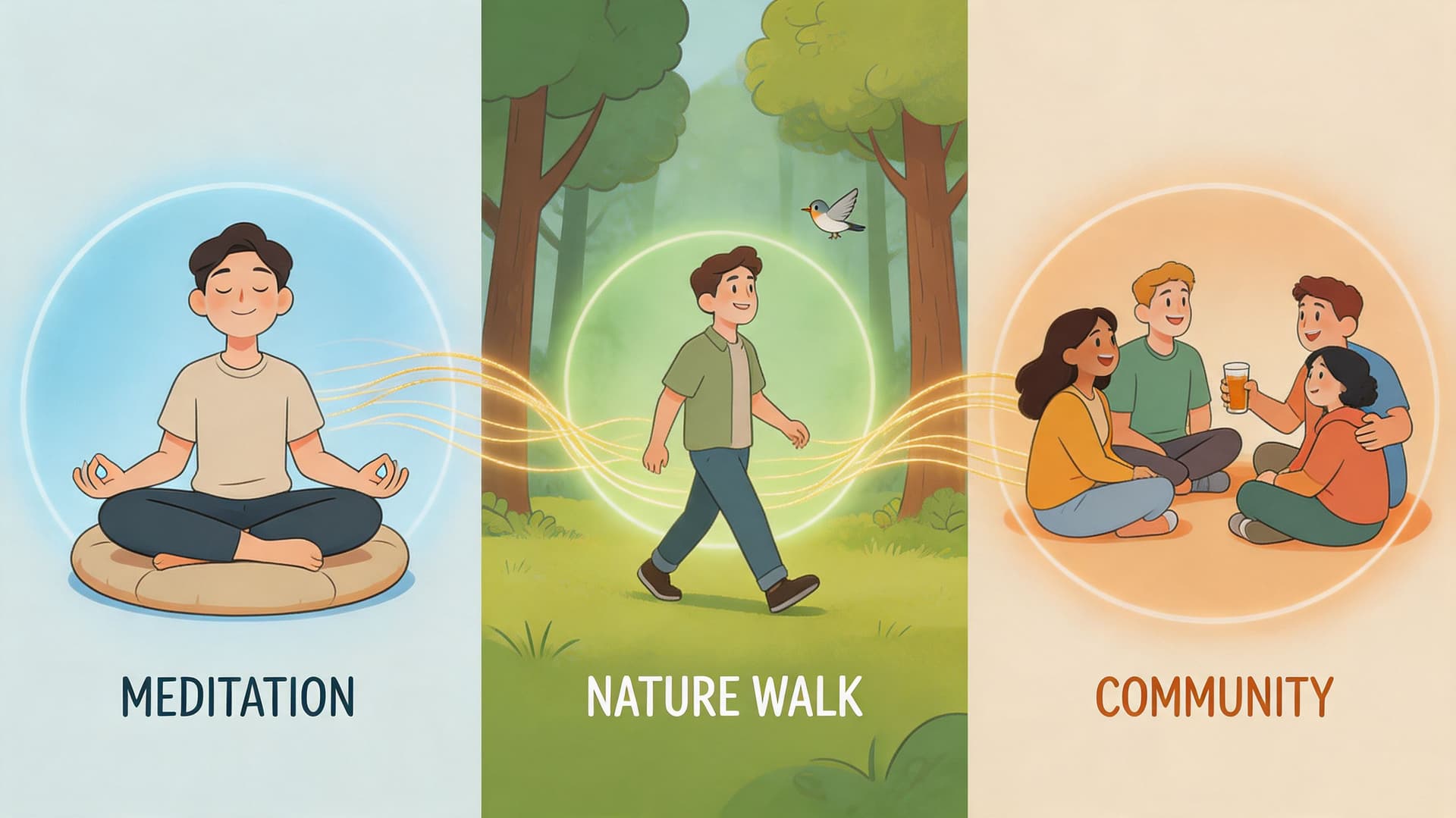
Quiet your attention
A scattered mind struggles to feel connected. Try this simple sequence:
- Sit without multitasking for a few minutes
- Notice your breath without trying to control it
- Feel your body in contact with the chair or ground
- Name three things you’re part of now, such as a family, a neighborhood, a living planet
This is about remembering you are already in relationship with life.
Improve one conversation a day
Choose a single conversation to make more attentive:
- Listen without preparing your reply
- Ask one sincere follow-up question
- Reflect back what you heard
- Say thank you for something concrete
Structured prompts or couple’s games can make honesty easier for some pairs.
Step into shared life
Community interrupts private-project living. Try:
- A regular place where people recognize you
- Practical help for a neighbor or group
- A recurring class, walk, or volunteer shift
Belonging grows from repeated presence, not one dramatic moment.
Living an Interconnected Life: From Insight to Action
Once you see connection, you’ll notice it everywhere—in how kindness affects your body, how one honest conversation shifts a home’s tone, and how self-understanding softens judgment.
The spiritual view gives depth. Science gives grounding. Daily life gives proof. Reflective systems like Dan Millman’s life-path work can help locate personal lessons inside a larger web of meaning.
Insight alone isn’t the destination. A connected life is built through choices: notice patterns, repair more quickly, ask better questions, and make room for others’ hidden struggles and gifts.
What connected living looks like
Often less dramatic than people expect:
- You pause before assuming the worst
- You choose one act of care even when busy
- You stay curious about your role in recurring conflicts
- You treat purpose as something lived with others, not achieved alone
Small actions add up.
The deeper shift
You move from asking, “How can I get what I need?” to asking, “How can I participate well in the life we share?” That question reshapes listening, loving, working, and success. It turns “we’re all connected” into a way of living that asks something honest of you.
If you want a practical way to explore life path, relationship patterns, and nine-year cycles from Dan Millman’s The Life You Were Born to Live, the Life Purpose App offers tools to turn abstract ideas into usable insight8.
Quick Q&A
Q: What does “we’re all connected” mean in everyday life?
A: Your inner life, behavior, and choices touch other people and systems. Small acts of attention and care change the tone of relationships and communities.
Q: How does connection affect health?
A: Social connection is linked to better health outcomes and longer life; loneliness increases risk for physical and mental health problems34.
Q: Is numerology useful for finding purpose?
A: As presented by Dan Millman, numerology is a reflective framework, not a prediction. Use it to notice patterns, test resonance against experience, and guide compassionate growth7.
1.
Gallup and Meta, “Strong world, social connections,” Gallup, accessed June 2025, https://news.gallup.com/opinion/gallup/513650/strong-world-social-connections.aspx.
2.
Suzana Herculano-Houzel, “The human brain in numbers: a linearly scaled-up primate brain,” Frontiers in Human Neuroscience 3 (2009): 31, https://www.ncbi.nlm.nih.gov/pmc/articles/PMC2713862/.
3.
World Health Organization, “Social connection linked to improved health and reduced risk of early death,” WHO news, June 30, 2025, https://www.who.int/news/item/30-06-2025-social-connection-linked-to-improved-heath-and-reduced-risk-of-early-death.
4.
Harvard University, “Over nearly 80 years, a study has been showing how to live a healthy and happy life,” Harvard Gazette, April 2017, https://news.harvard.edu/gazette/story/2017/04/over-nearly-80-years-harvard-study-has-been-showing-how-to-live-a-healthy-and-happy-life/.
5.
Bradley Angle, “About Bradley Angle,” Bradley Angle, accessed 2025, https://www.bradleyangle.org/about.
6.
Community Angels, commentary on youth mentorship programs, https://communityangelsmn.org.
7.
Dan Millman, The Life You Were Born to Live: A Guide to Finding Your Life Purpose (New World Library), details and overview, https://danmillman.com/books/the-life-you-were-born-to-live/.
8.
Life Purpose App, “Life Purpose App,” https://lifepurposeapp.com.
9.
GroupOS, “Find your tribe,” GroupOS blog, https://groupos.com/blog/find-your-tribe.
10.
Firacard, “Acts of kindness in daily life,” Firacard blog, https://firacard.com/blog/acts-of-kindness-in-daily-life/.
Discover Your Life Purpose Today!
Unlock your true potential and find your life’s purpose.
